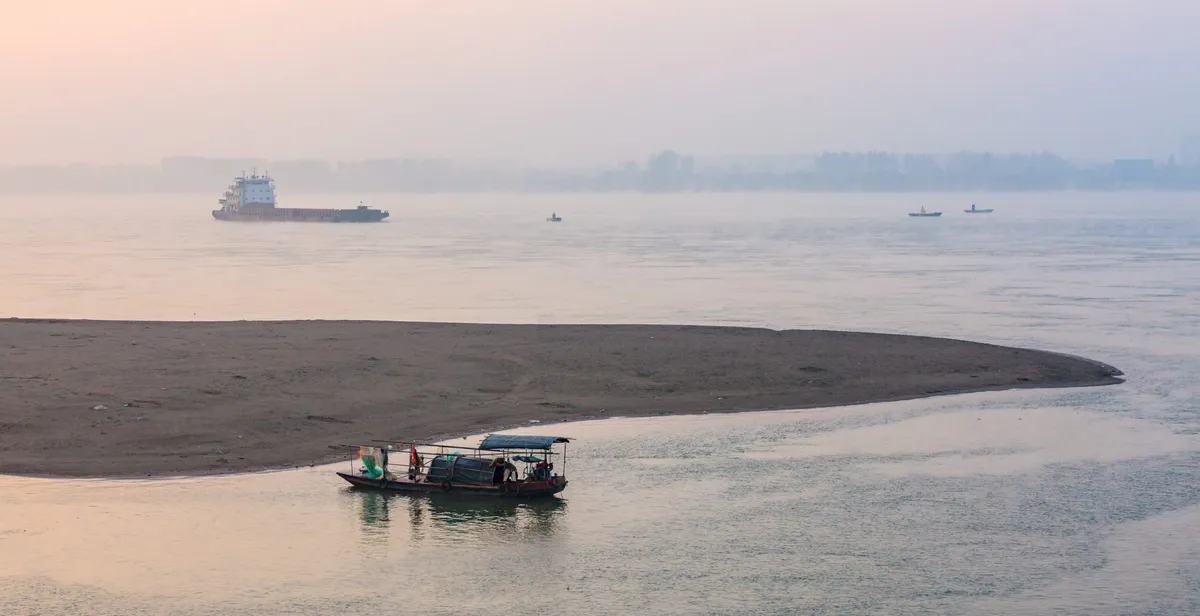
Emanuel Alves, 64, pulled his fishing boat from the water at São Mateus port in the Azores as winter set in. The question weighing on him was urgent: where would he fish once the new marine protected areas took effect?
That anxiety was real. In October 2024, the Azores Parliament approved a sweeping network of marine protected areas covering 287,000 square kilometers—nearly a third of the archipelago's waters. When it went live on January 1, 2025, it meant no fishing in half of that zone. Fishers like Alves faced genuine uncertainty about their livelihoods.
But just two weeks later, on January 15, the Parliament voted again—this time to keep those no-fishing zones intact. The decision rejected a proposal that would have allowed pole-and-line tuna fishing in the fully protected areas, a compromise that advocates warned would have undermined the entire network's purpose.
We're a new kind of news feed.
Regular news is designed to drain you. We're a non-profit built to restore you. Every story we publish is scored for impact, progress, and hope.
Start Your News Detox"The criterion for a total protection area is indeed total protection," said Luís Bernardo Brito e Abreu, who coordinates Blue Azores, the partnership between the regional government, the U.S. nonprofit Waitt Institute, and Portugal's Oceano Azul Foundation that pushed for the network's creation since 2019. The vote, he noted, would have been "catastrophic and damaging to the region" if it had passed.
What makes this moment significant isn't just that a parliament chose conservation over short-term fishing access. It's that they chose it twice—first in establishing the network, then in defending it when pressure mounted. That's the harder vote.
The Azores network now protects some of the richest marine ecosystems in the North Atlantic. Fully protected zones allow fish populations to recover, which eventually benefits fishing grounds outside the boundaries. It's the counterintuitive part of marine conservation that takes time to prove itself: protecting some areas makes fishing more sustainable everywhere else.
Fishers' concerns like Alves' aren't dismissed in this story—they're real economic pressures that need real solutions. But the Parliament's decision suggests those solutions won't come from weakening the core protection. That's a different conversation: how to support fishing communities during the transition, how to help them adapt to new realities. The vote on January 15 simply said: the protected areas stay protected.
As these zones begin to recover, the data will matter. In five years, in ten years, the fish populations inside those boundaries will either rebound or stagnate. And the fishing grounds just outside will tell their own story. That's when Alves and others will know whether this choice was worth the disruption.