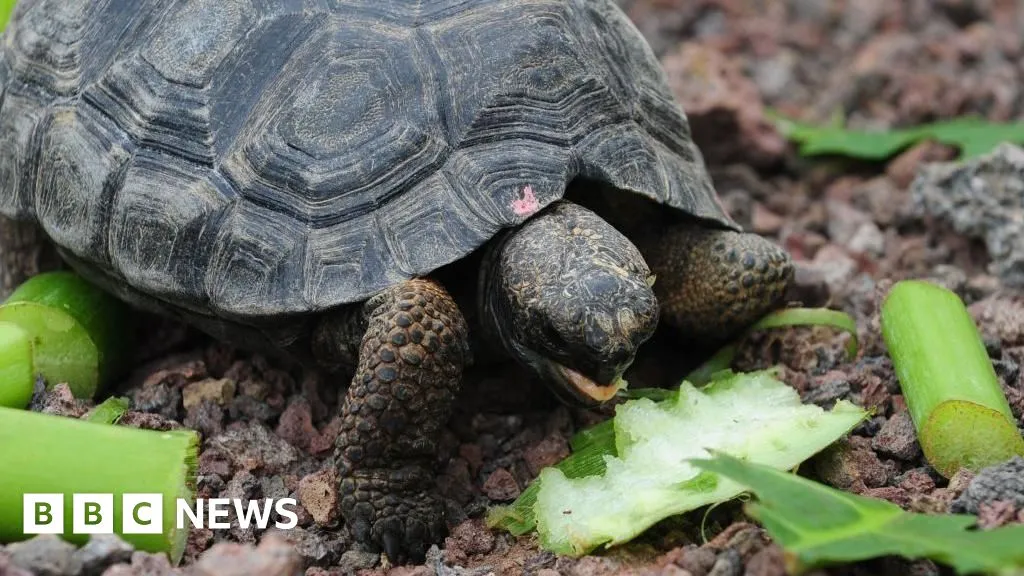
For nearly two centuries, Floreana island in the Galápagos had no giant tortoises. Sailors wiped them out in the 1840s, taking thousands for food during long ocean voyages. This week, 158 juvenile tortoises stepped onto the island for the first time since then—a moment conservationists are calling a genuine turning point in ecological restoration.
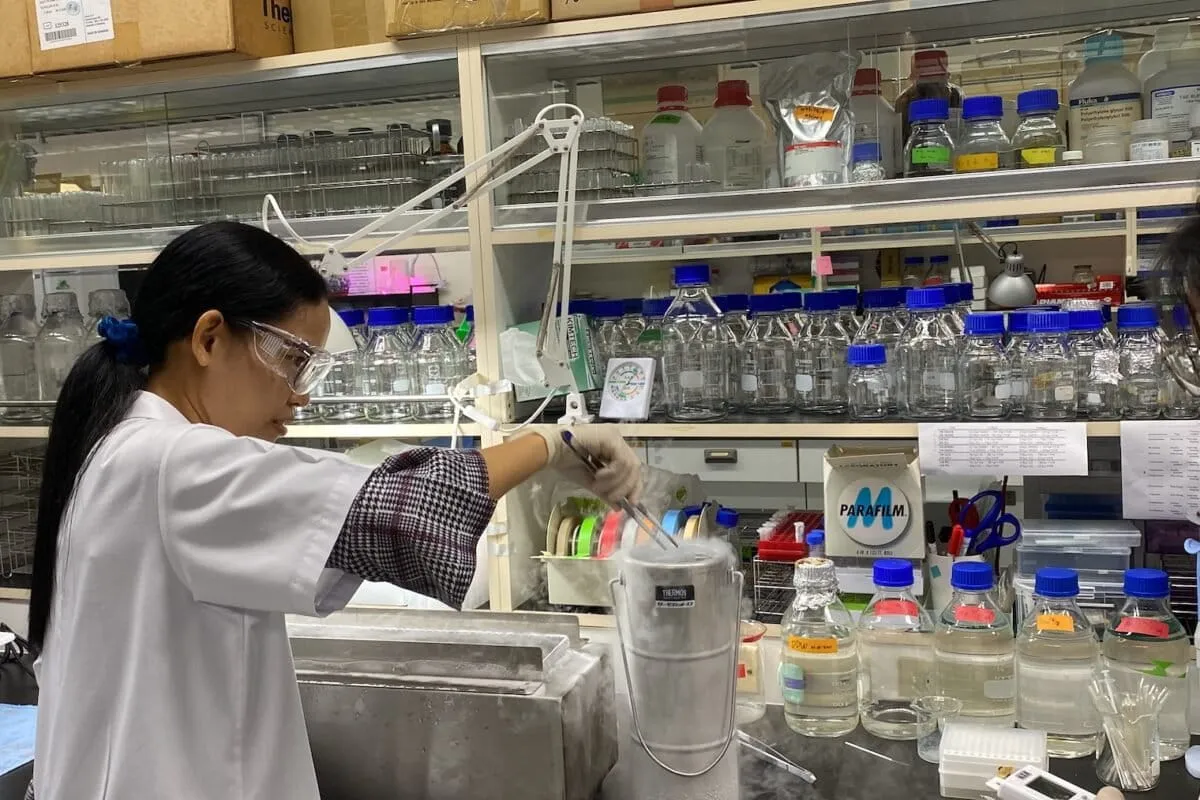
The reintroduction sounds simple in hindsight, but it required two decades of detective work and breeding. In 2008, scientists discovered something unexpected on Wolf Volcano on nearby Isabela island: tortoises carrying genetic traces of Floreana's extinct subspecies, Chelonoidis niger niger. The animals were hybrids, but their DNA held the ancestry researchers needed.
In 2017, scientists selected 23 tortoises with the strongest genetic connection to the original Floreana population and brought them to a breeding facility on Santa Cruz island. Over the next eight years, those 23 animals produced more than 600 hatchlings. The team waited patiently for the juveniles to grow large enough to survive the island's conditions. Now, the first cohort—158 tortoises—is ready.
We're a new kind of news feed.
Regular news is designed to drain you. We're a non-profit built to restore you. Every story we publish is scored for impact, progress, and hope.
Start Your News Detox"It's truly spine-tingling," said Dr Jen Jones, chief executive of the Galápagos Conservation Trust. What makes this moment significant isn't just that a lost species is coming home. It's that the project proves a particular kind of conservation is possible: bringing back what was taken, even after it's been gone for generations.
More than symbolic creatures
Giant tortoises aren't just returning to Floreana as a symbol of recovery. They're returning to work. The tortoises are what ecologists call "ecosystem engineers"—their grazing, their movement across the landscape, the way they distribute nutrients through their waste—all of this reshapes the island's vegetation and soil health. A tortoise isn't a passenger in restoration; it's an active participant.
This matters because Floreana's ecosystems have degraded over nearly 200 years without them. The tortoises will help reverse that. As they roam and feed, they'll open up dense vegetation, disperse seeds, and gradually restore patterns that haven't existed since the 1840s.
The project also reflects something quieter but equally important: what collaboration at scale looks like. Scientists, local communities, multiple conservation organizations, and the Galápagos National Park Directorate worked together across two decades. There were no shortcuts, no moments where funding dried up and the project stalled permanently.
Several hundred more tortoises are still growing in captivity, waiting their turn. The next releases will follow. For the first time in living memory, Floreana's landscape will be shaped by the creatures it evolved with.