A Eurasian lynx named Ursa arrived at a rescue center in Kent this week, thin and scarred from years kept as a pet in Ukraine. She's one of dozens of animals finding their way into sanctuaries after neglect, trafficking, or impulse purchases gone wrong—a reminder that wildlife recovery often starts not in pristine wilderness, but in the messy aftermath of human decisions.
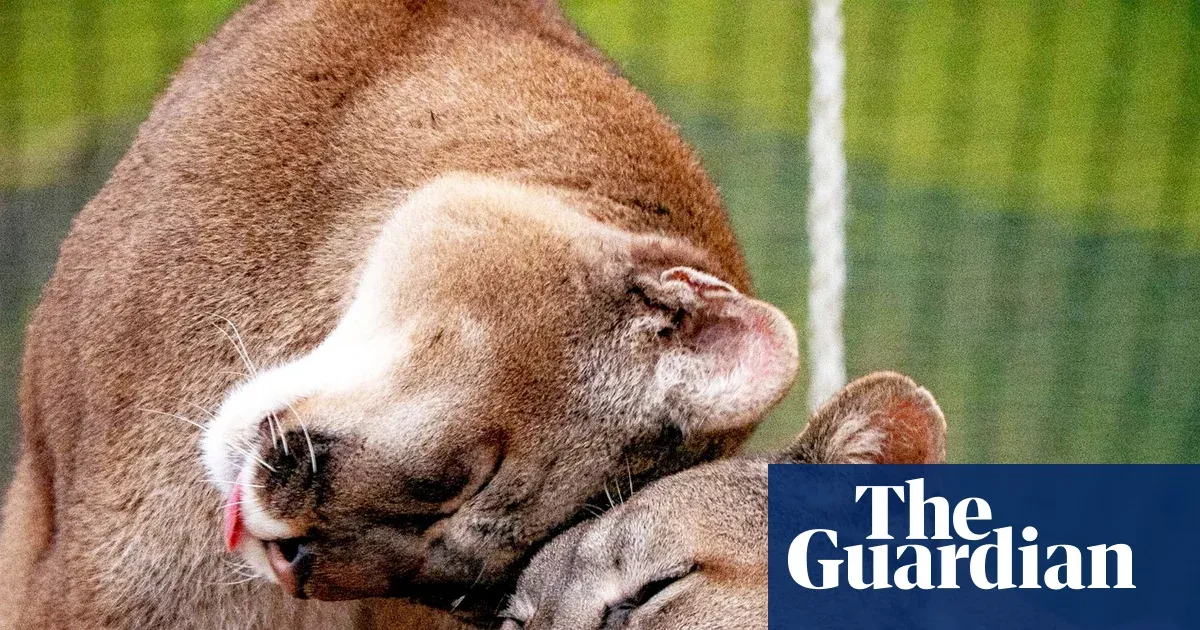
In Turkey, a young macaque named Portakal was seized during a drug operation and is now recovering at Antalya wildlife park. Across the UK, two female pumas at Wildside Exotic Rescue in Herefordshire are settling into care after their owners realized they couldn't handle them. Their founder, Lindsay McKenna, receives 25 rehoming requests each week—mostly from people who bought exotic animals after seeing them on TikTok and Instagram, then discovered the reality of caring for a wild animal. The pattern is clear: social media impulse, real-world consequence, rescue center intervention.
The small victories
But this week also brought genuinely encouraging news from the margins of conservation.
We're a new kind of news feed.
Regular news is designed to drain you. We're a non-profit built to restore you. Every story we publish is scored for impact, progress, and hope.
Start Your News DetoxA rare white crow—technically a leucistic Eurasian crow, missing most of its pigment but keeping its normal dark eyes—was spotted in Turkey. It's a genetic anomaly, striking and fragile. Elsewhere, 500 olive ridley sea turtle hatchlings were released into the ocean from a sanctuary in the Philippines as part of a conservation festival. The number matters less than the ritual: communities gathering to mark the return of life to the sea.
In Vietnam, researchers surveying Tonkin snub-nosed monkeys—one of Earth's rarest primates with only about 250 left—found their numbers stable and spotted infants born outside the usual breeding season. It's a small sign, but for a species that nearly vanished, stability is its own kind of progress.
Grey seal pups at Orford Ness in Suffolk nearly doubled this year, from 228 to 430. The seals are returning to waters they'd abandoned. And in a moment that photographer Jenny Stock captured with patient persistence, a bluestriped fangblenny in the Philippines peeked repeatedly from its coral home until it finally faced the camera—a tiny fish learning to trust.
These aren't the stories that make headlines. A frog getting dunked in a territorial dispute in Maine, an otter struggling with a crab it caught, a bird diving for fish in Mexico City—they're the everyday dramas of wild life continuing, mostly unseen. But they matter because they show what we're fighting to keep: animals doing what animals do, in the spaces we leave them, or in the spaces we actively restore.
The week's real story isn't that wildlife is thriving everywhere. It's that in specific places, with specific effort, recovery is possible. Sanctuaries exist because we created the problem. But they work.