The Yangtze River was dying. Since the 1950s, dams, mines, and overfishing had gutted its fisheries. The baiji dolphin—a species found nowhere else—vanished in 2002. By 2016, annual catches had plummeted from 400,000 tons to 66,000. The river had become a textbook case of ecological devastation.
Now it's offering something rarer: proof that a heavily damaged ecosystem can actually recover—if you're willing to make drastic choices.
A Radical Pause
In 2021, China imposed a 10-year ban on all commercial fishing across the Yangtze River basin, a region roughly the size of Mexico. It was the largest freshwater fishing restriction ever attempted at this scale. The cost was staggering: over 100,000 fishing boats removed, more than 230,000 fishers resettled. But within just a few years, the results suggest it's working.
We're a new kind of news feed.
Regular news is designed to drain you. We're a non-profit built to restore you. Every story we publish is scored for impact, progress, and hope.
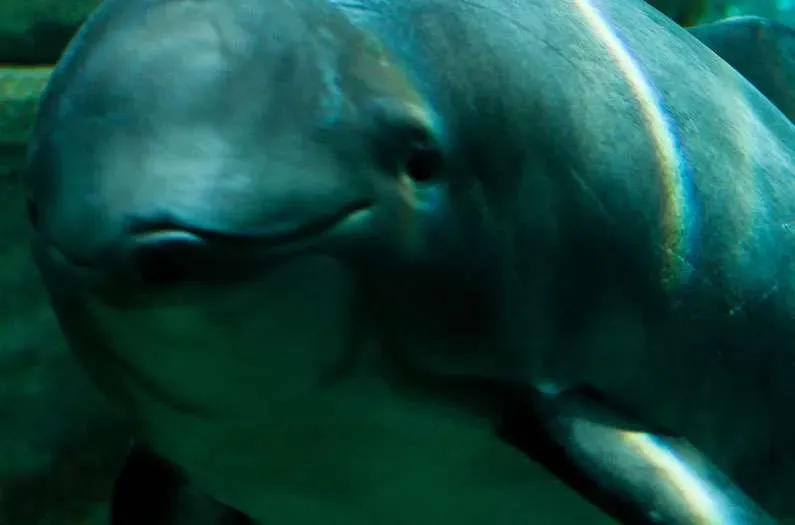
Start Your News DetoxChinese scientists, working with researchers from the US, Canada, and France, spent 2018 to 2023 counting fish along 57 sections of the river. They netted more than 47,000 individual fish from 115 species and tracked water quality, land use, and weather patterns. The numbers tell a story of rapid recovery: total fish biomass more than doubled. The variety of species increased by 13%. Larger fish, which had nearly disappeared, started returning. The finless porpoise—down to 445 animals in 2017—climbed to 595 by 2022.
The fishing ban emerged as the dominant factor behind these changes, outweighing improvements in water quality or other environmental shifts. "This provides hope that in an era of global biodiversity decline, ambitious political decisions that support large-scale restoration efforts can help reverse the ecosystem damages of the past," the researchers wrote in Science.
What Recovery Actually Means
But recovery here is partial, not total. The research also revealed why: overfishing accounted for only about 30% of the Yangtze's decline. Habitat destruction—dams, channelization, wetland loss—caused 70%. A fishing ban can't undo that damage quickly. Climate change and water management decisions driven by drought and flooding pressures continue to reshape the river.
There's also the question hanging over everything: what happens when the 10-year ban ends in 2031. The researchers are "cautiously optimistic" that recovery could stick around, but they're equally clear about the risk. "This progress could easily be reversed by reinitiating commercial fishing," they warned.
What's remarkable isn't that the Yangtze is fixed—it's not. What's remarkable is the speed of response. An ecosystem that took 70 years to collapse showed measurable healing within years of protection. That's the real finding: nature doesn't need centuries to bounce back. It needs us to stop actively destroying it.
The Yangtze's next chapter depends on whether China stays committed after 2031.