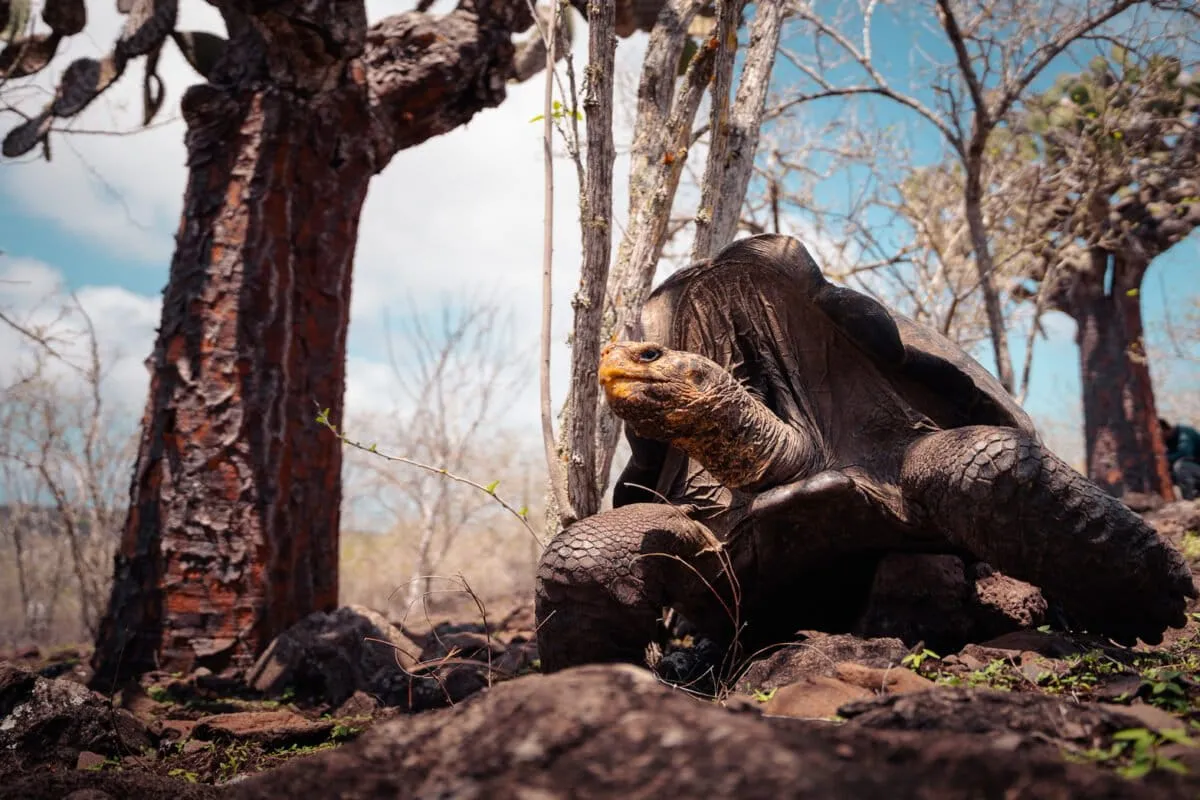
For the first time in nearly two centuries, giant tortoises are walking across Floreana Island again. In February, 156 tortoises between 10 and 13 years old were released onto the island—a moment that caps more than a decade of detective work, genetic sleuthing, and careful breeding to bring back a species that was hunted to extinction around 1844.
How a Hidden Genetic Connection Made This Possible
The story begins not on Floreana, but 180 kilometers away on Wolf Volcano, where researchers from the Galápagos Conservancy were studying the local tortoise population. "The tortoises seemed different," says Penny Becker, CEO of Island Conservation. "They looked different and they were behaving differently."
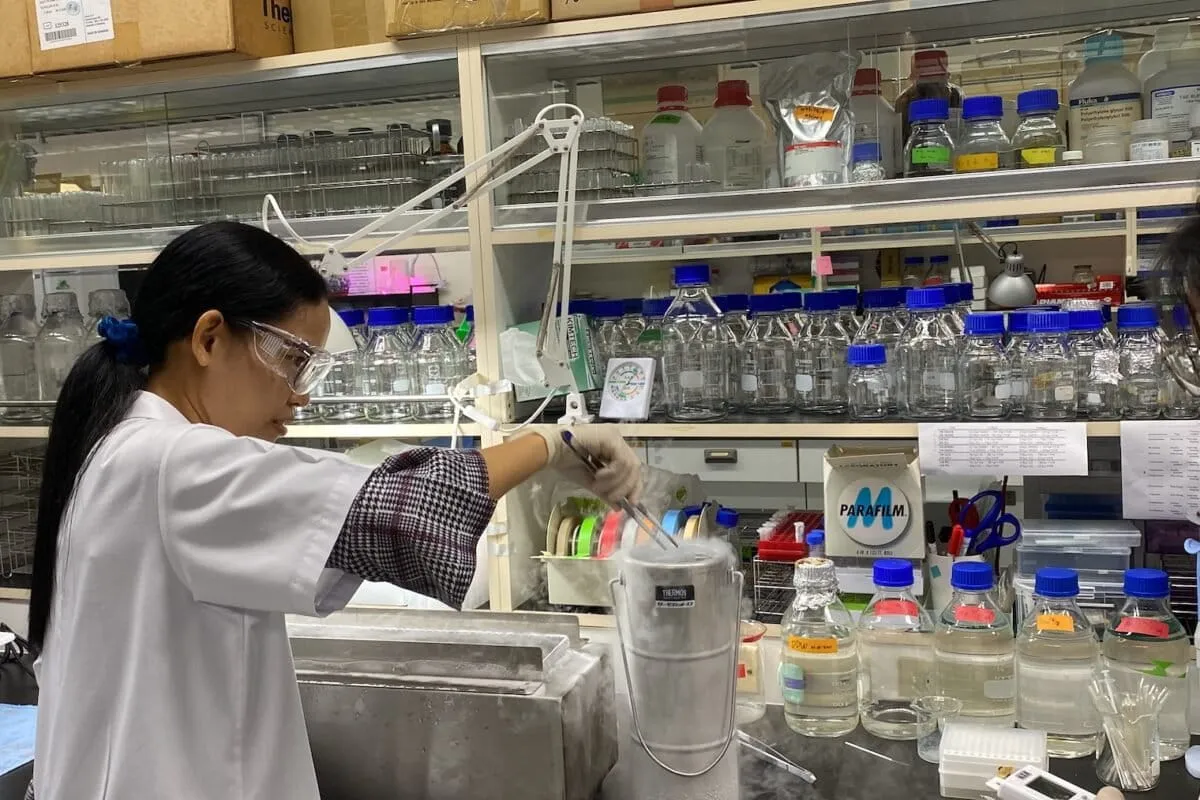
When scientists took DNA samples and compared them against genetic material from tortoise bones found in Floreana's caves, the results were striking: the Wolf Volcano population carried strong genetic signatures from the extinct Floreana tortoises. How these heavy reptiles—some weighing hundreds of pounds—ended up on Wolf Volcano remains a mystery. They may have floated on ocean currents across the archipelago, or been transported by whaling ships that used tortoises as a food source during long voyages.
We're a new kind of news feed.
Regular news is designed to drain you. We're a non-profit built to restore you. Every story we publish is scored for impact, progress, and hope.
Start Your News DetoxThat genetic link became the foundation for everything that followed. Scientists established a breeding program using the Wolf Volcano tortoises to create a hybrid population suitable for reintroduction. The released tortoises are still young—they won't reach sexual maturity until around age 25—which means building a self-sustaining population will take decades of monitoring and care.
What This Means for Floreana
The reintroduction addresses more than just bringing back a species. For nearly 200 years, Floreana's ecosystem has operated without the ecological role these giant tortoises once played. They shape vegetation patterns, disperse seeds, and create pathways through dense vegetation. Their return begins to restore what was lost when early settlers transformed the landscape and hunted the tortoises into oblivion.
Becker expressed confidence in the project's trajectory, framing this reintroduction as a significant step toward ecological restoration. The work required coordination between local residents, conservation organizations, and scientific partners—a reminder that bringing species back requires not just biology, but community buy-in.
The tortoises are now on Floreana, slowly grazing and settling into an island their ancestors left nearly two centuries ago. The real test—whether they'll breed successfully and establish a wild population—will unfold over the next few decades.