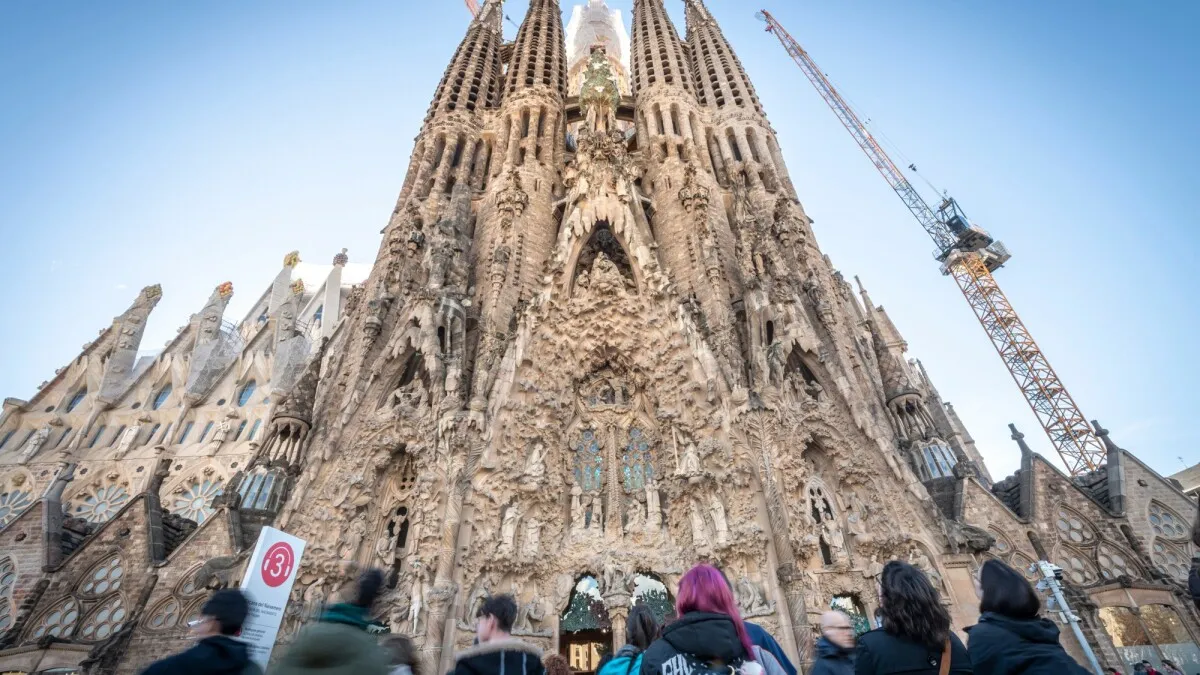
Last Friday in Barcelona, a 15-foot cross made of white ceramic and glass was lifted onto the tower of Jesus Christ at La Sagrada Família, completing the exterior structure of the world's tallest church. The moment marked the end of 144 years of construction—a timeline that began in 1882 and outlasted multiple architects, wars, and economic cycles.
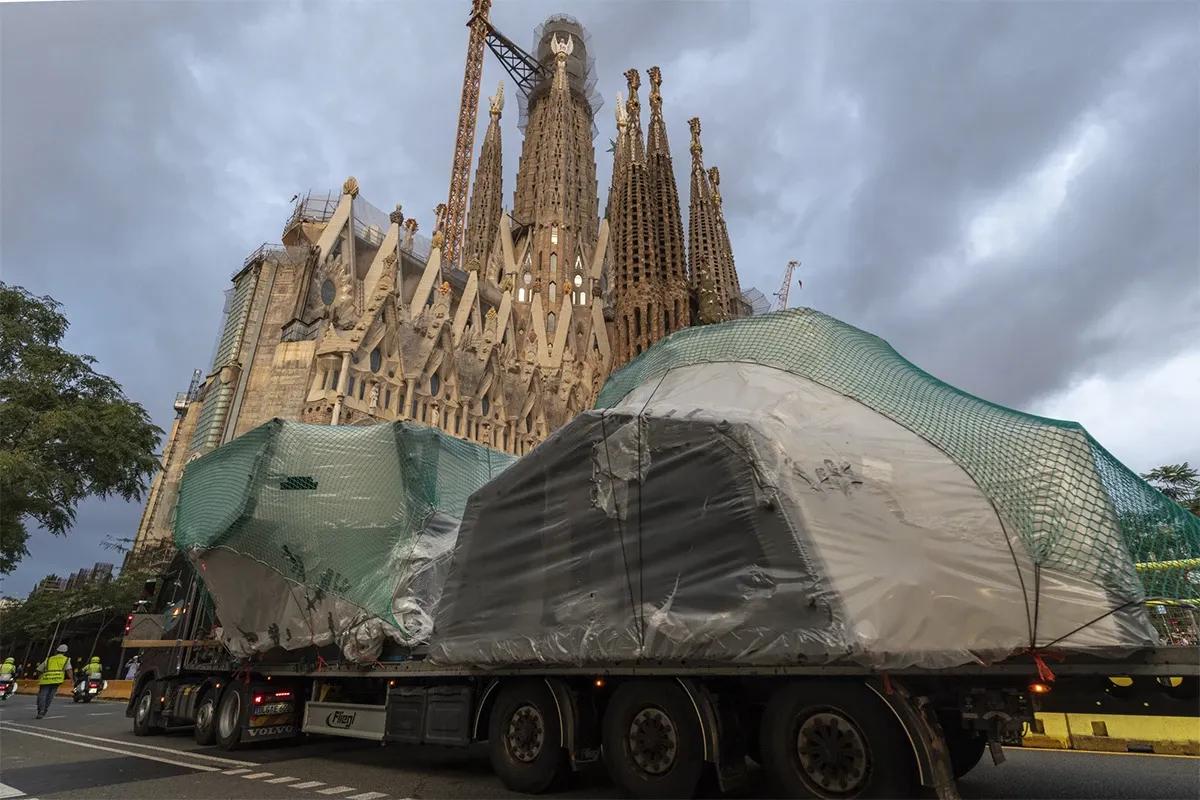
The cross itself is a study in persistence. Built in Germany from enameled ceramic tiles, stone, and glass sourced from Catalonia, it was shipped in pieces to Barcelona and assembled 566 feet above the city. Inside the cross runs a spiral staircase with windows that let light stream through—a detail that reflects Antoni Gaudí's original vision of the cross shining both day and night.
A Monument Built on Donations
Gaudí devoted his final 43 years to this basilica before his death in 1926—when less than a quarter of the building was complete. He's buried in its crypt, his legacy now etched into Barcelona's skyline. What made this project possible across more than a century wasn't government funding or corporate backing, but private donations. That constraint explains much of the timeline. Each architect who took over brought their own interpretation of Gaudí's Gothic and Art Nouveau vision, creating a building that evolved across generations.
We're a new kind of news feed.
Regular news is designed to drain you. We're a non-profit built to restore you. Every story we publish is scored for impact, progress, and hope.
Start Your News Detox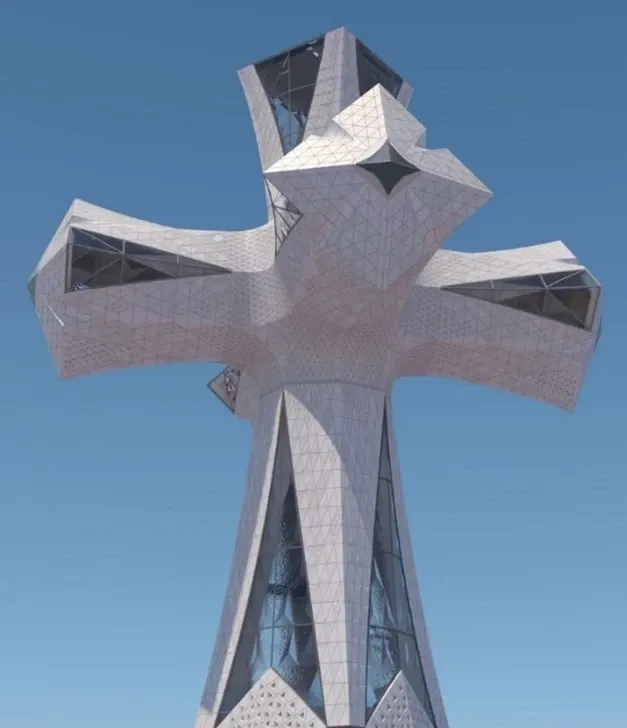
The exterior completion arrives at a resonant moment: 2026 marks the centennial of Gaudí's death. The church has already been designated a UNESCO World Heritage Site and consecrated as a basilica by Pope Benedict XVI in 2010, moves designed to sustain public support for the ongoing work.
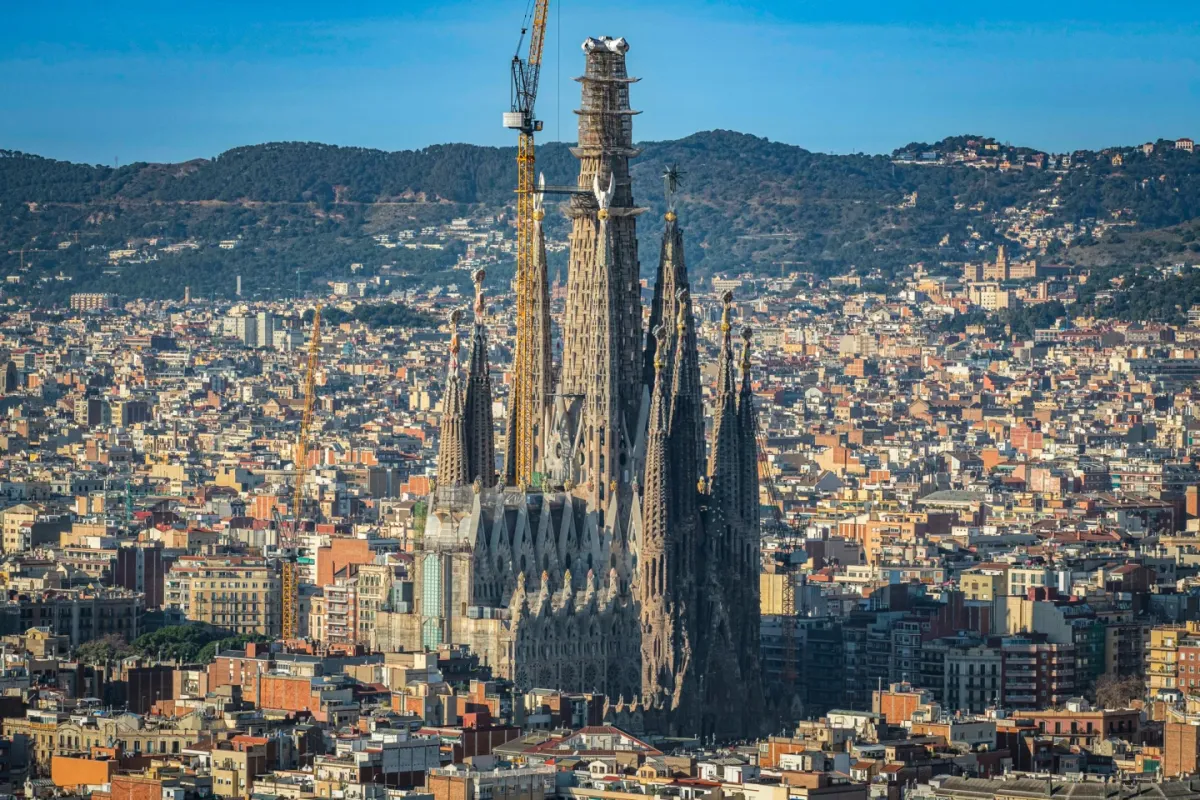
Eight years of work remain. The decorative elements, sculptures, and the final cladding still need to be installed. One upcoming piece is particularly ambitious: Italian artist Andrea Mastrovito won a competition to create the Agnus Dei (Lamb of God), a hollow glass sculpture suspended from the cross's upper arm, surrounded by a hyperboloid covered in gold leaf. The design is meant to represent the relationship between matter and energy, between the Son and the Father.
The church estimates completion by 2034. That would mean more than 150 years from the day the first stone was laid—a timeline that speaks less to failure than to the scale of what Gaudí imagined and what Barcelona has chosen to honor, one donation and one generation at a time.