A fetus exposed to alcohol in the womb may be set on a different neurological path decades before they ever take a drink. New research published in JNeurosci shows that prenatal alcohol exposure leaves measurable changes in the brain's dopamine system—changes that predict how someone will drink as an adult, even before they've had their first sip.
The study, led by Mary Schneider and Alexander Converse at the University of Wisconsin-Madison, tracked rhesus monkeys from before birth into adulthood. During pregnancy, some monkeys were exposed to moderate amounts of alcohol, others to mild stress, and some to both. When the offspring reached adulthood, researchers measured their dopamine system and observed how they consumed alcohol.
The pattern was striking. Monkeys exposed to alcohol before birth drank more quickly as adults. More importantly, brain chemistry measurements taken before the animals ever touched alcohol successfully predicted their later drinking behavior. This mirrors what researchers see in human studies of alcohol use disorder—suggesting that certain brain differences exist long before problem drinking takes hold.
We're a new kind of news feed.
Regular news is designed to drain you. We're a non-profit built to restore you. Every story we publish is scored for impact, progress, and hope.
Start Your News Detox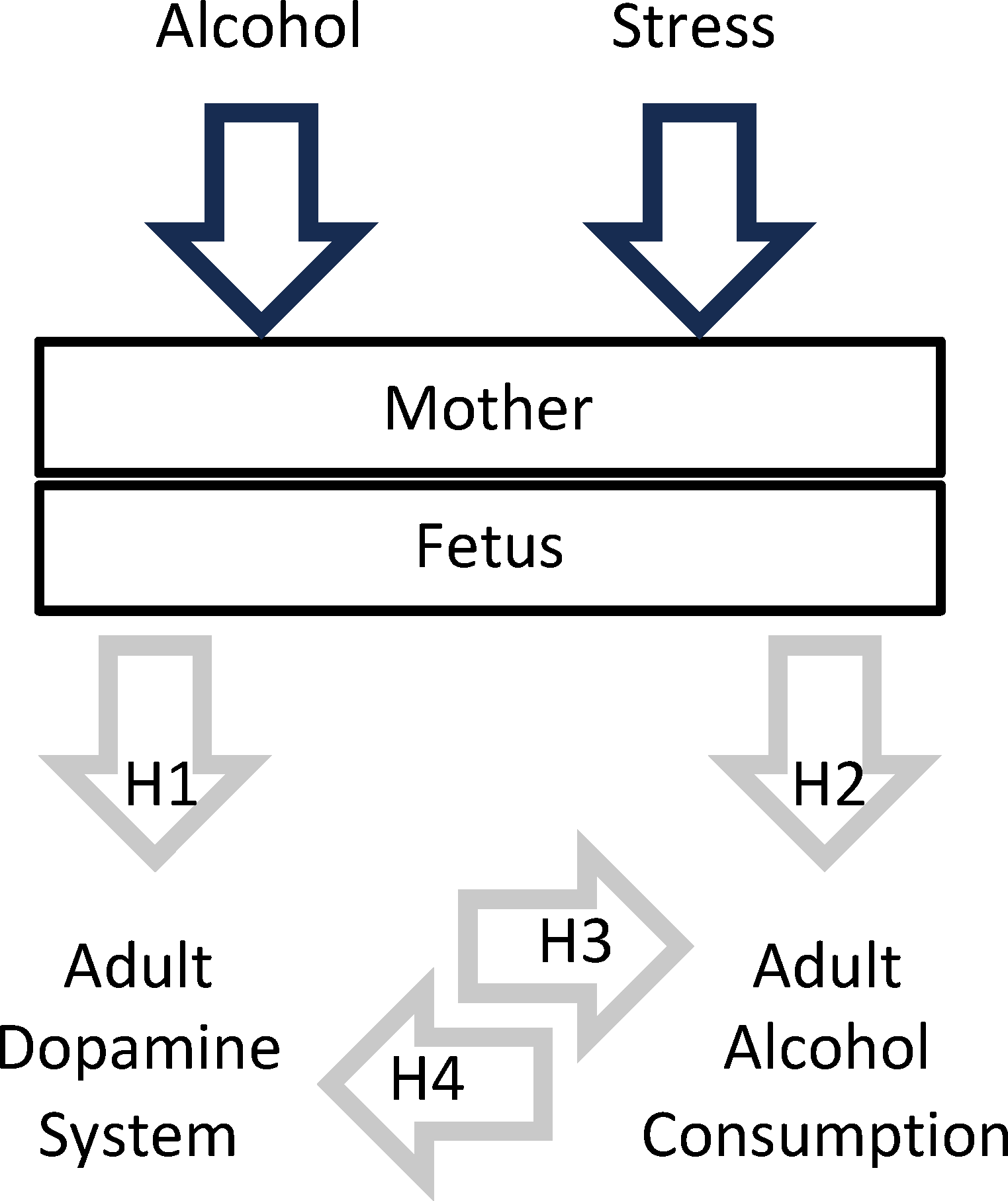
Why Some Drinkers Slide Into Addiction and Others Don't
As the monkeys continued to drink, their dopamine systems changed further—but not uniformly. Each animal showed personalized brain responses to alcohol. This variation may help explain a puzzle that clinicians have long observed: why casual drinking spirals into alcohol use disorder for some people but not others. The answer appears rooted partly in how their brains were wired before they were born.
The research team emphasizes that their experimental design closely mirrors how prenatal stress and alcohol exposure actually occur in humans. That similarity matters. It means these findings aren't just interesting neuroscience—they have real clinical weight.
The implications are sobering. This work adds to the evidence that drinking during pregnancy can have long-term consequences, linking prenatal exposure to unhealthy drinking patterns decades later. While the study didn't find a direct connection between prenatal stress alone and adult drinking behavior, the researchers note that stress during pregnancy likely affects other aspects of behavior and development.
Understanding these early brain changes opens a door to a harder conversation: how do we identify and support people whose prenatal exposure may have shifted their risk for alcohol use disorder. The answer probably involves early intervention and personalized approaches—recognizing that not every brain responds to alcohol the same way.