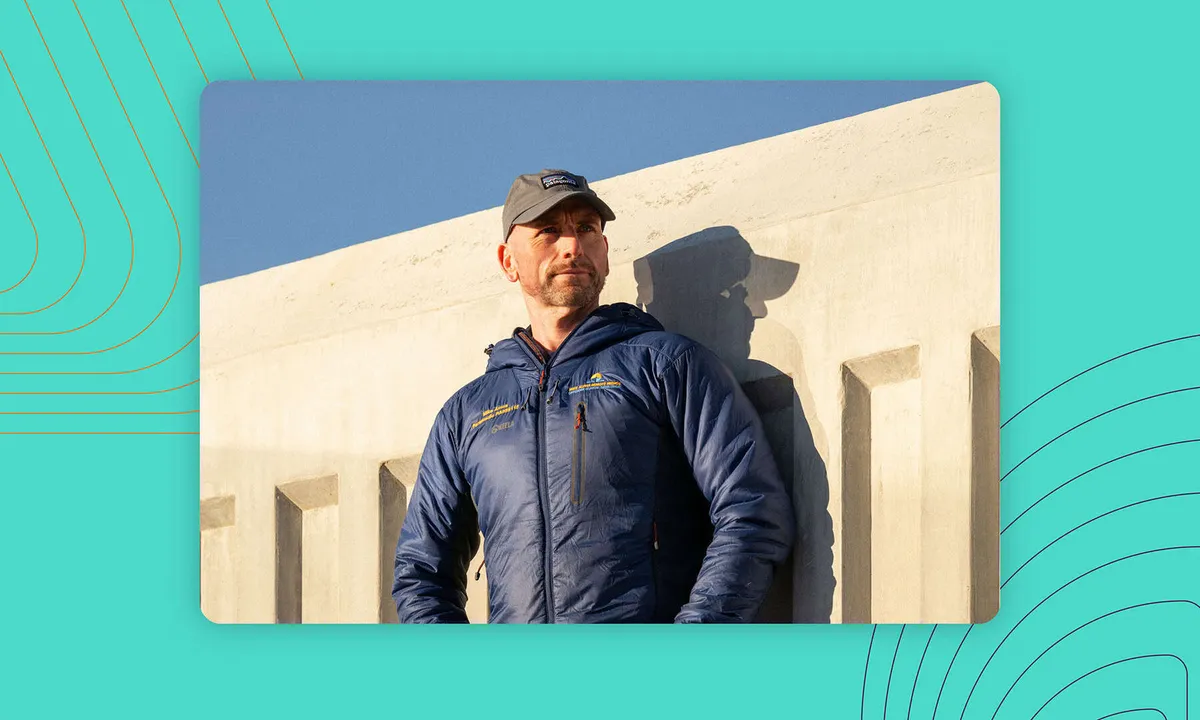
When a heart attack happens 150 kilometers offshore, there's no ambulance coming. Mike Amos, an offshore paramedic, is it — the only medical hand on some of the world's largest wind farms, stationed on boats bobbing in the North Sea and typhoon-prone waters off Taiwan.
Amos handles everything from genuine emergencies (a heart attack in the North Sea, a crushed hand during a typhoon off Taiwan) to the quieter crises that isolation creates. Crews spend weeks at sea, far from home, and the mental toll is real. But Amos has figured something out: you can't fix what people won't tell you. His down-to-earth manner gets them talking. "I just love it," he says. "I love the ethos, the camaraderie. I love the vessel life. I basically love the buzz of the offshore wind."
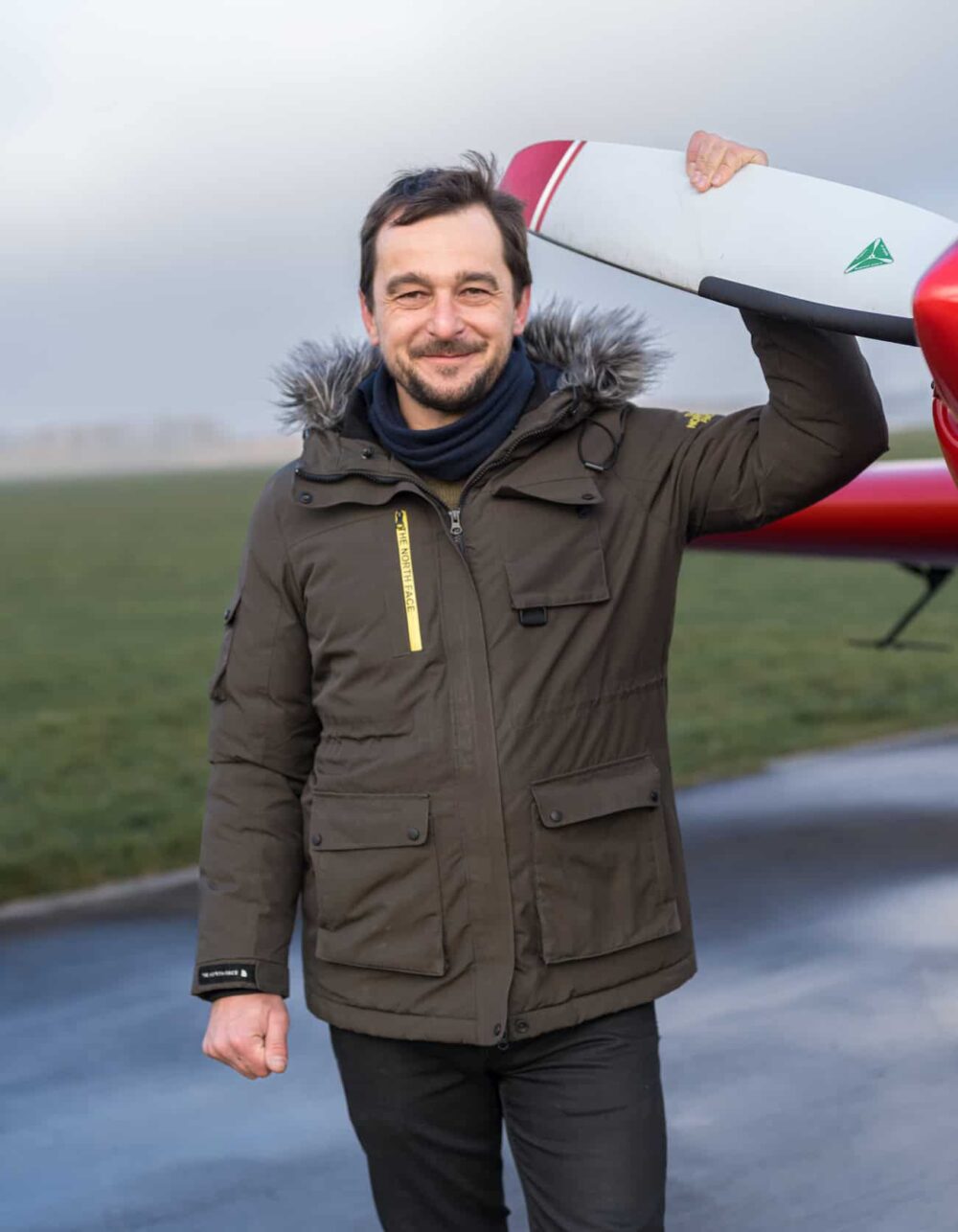
Two hundred meters up a wind turbine, Grzegorz Kędzierski climbs. The tower sways in the wind. His job: verify every electrical connection, every line of software, so the turbine operates safely. At 150 meters tall, these aren't structures you get wrong.
We're a new kind of news feed.
Regular news is designed to drain you. We're a non-profit built to restore you. Every story we publish is scored for impact, progress, and hope.
Start Your News DetoxKędzierski has traveled from his native Poland to Vietnam, Sweden, Japan, and the North Sea doing this work — checking systems that will spin for decades, converting wind into power for millions of homes. When he's not climbing turbines, he flies acrobatic planes, spending his own money on competition training. "Sometimes, I like to go out on the top of a turbine and stay there for a while, watching the world from above," he says. "The sky is no longer the limit. It's the playground."
Back at sea level, Chris Akehurst coordinates the logistics that make these farms possible. He oversees the placement of 500-ton steel piles and 2,500-ton foundations — precision work where human judgment still matters more than algorithms. For years, he's been based in Taiwan, turning plans into actual offshore wind farms that feed power into grids across Asia.
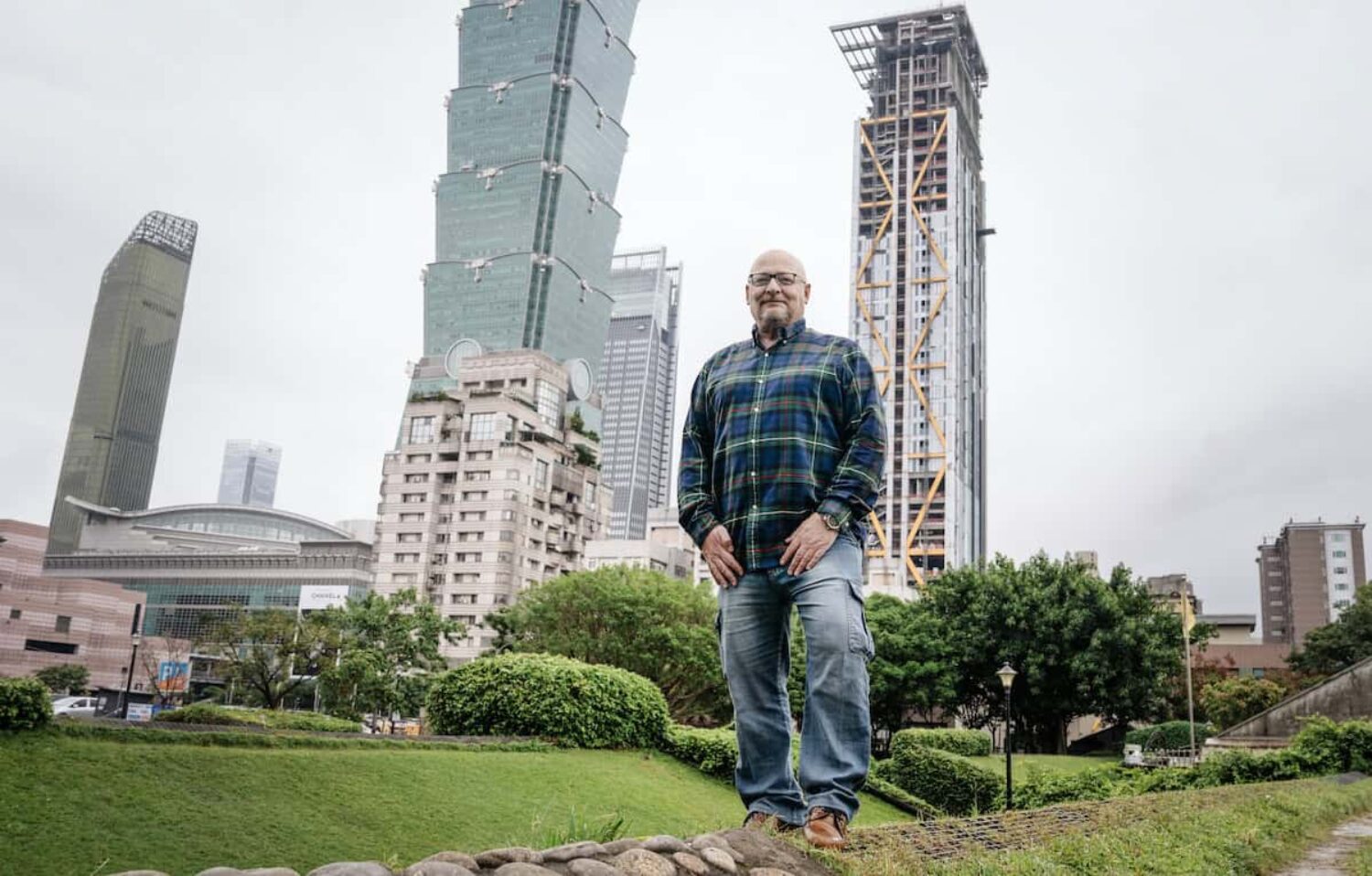
Akehurst manages multinational teams and handles the unglamorous stuff: ensuring crews have enough food, managing safety protocols, building trust across language barriers. He's watched local Asian workforces grow in skill and pride. But he's also watching the clock — established renewable energy markets are already facing skilled labor shortages. "It's a small world offshore," Akehurst says. "You depend on each other — safety, timing, even morale. That's what makes this work special."
These three don't talk about saving the planet. They talk about their work. But that's precisely what makes them worth listening to. The green transition isn't happening because of policy documents or climate pledges. It's happening because people like Amos, Kędzierski, and Akehurst show up, climb the towers, and solve the problems that no one sees on the news. As offshore wind capacity expands globally, these roles are multiplying — and the people filling them are discovering something unexpected: meaning in the work itself.