Thyme has always been medicine's awkward ingredient. The herb contains compounds—thymol, carvacrol, rosmarinic acid—that genuinely help fight inflammation and boost immunity. But the moment you extract them, they evaporate. Use too much, and you irritate the gut or skin. It's powerful stuff that's almost impossible to dose precisely.
Researchers at Tomsk Polytechnic University and Surgut State University just solved that problem at the nanoscale.
The Engineering Fix
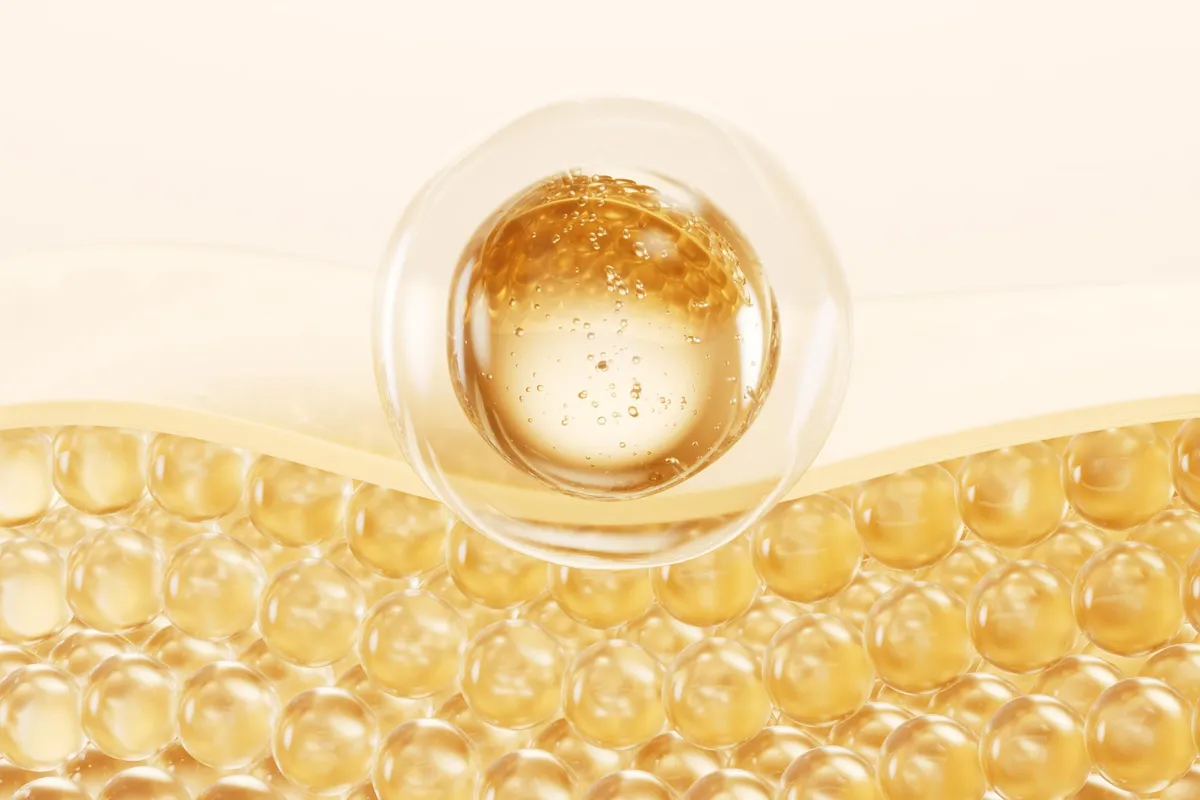
The approach sounds simple in hindsight: seal thyme extract inside microscopic droplets so small they can deliver exact doses without evaporation. The team developed a microfluidic chip that flows thyme extract mixed with gelatin alongside sodium alginate (a common food thickener). A perpendicular stream of oil breaks this combined flow into droplets smaller than a human hair, each one a sealed capsule containing a precise amount of active compound.
We're a new kind of news feed.
Regular news is designed to drain you. We're a non-profit built to restore you. Every story we publish is scored for impact, progress, and hope.
Start Your News DetoxThe real insight isn't just that it works—it's that the system self-regulates. "The system tends to be self-regulating in order to deliver a relatively consistent dose, which is valuable for drug delivery," said researcher Maxim Piskunov. Adjusting the oil flow rate lets scientists control droplet size and therefore the dose, without starting from scratch each time.
Why This Matters Beyond Thyme
Right now, the technique exists in a lab. Before thyme nanodoses reach a pharmacy shelf, researchers need to figure out how to package these microscopic capsules into pills people can actually swallow. But the breakthrough isn't really about thyme—it's about proving that consistent nanodosing of plant extracts is achievable at all.
The same method works for other botanical compounds. Piskunov's team is already testing water-alcohol extracts with even higher concentrations of active substances. Add machine vision and AI to monitor the process in real time, and you've got a manufacturing system that could personalize doses or adapt to individual needs.
The implications ripple outward: more precise herbal medicines, better food fortification, fewer side effects from overdosing on concentrated plant compounds. It's the kind of unglamorous engineering work that doesn't make headlines until it actually changes how medicine gets made.