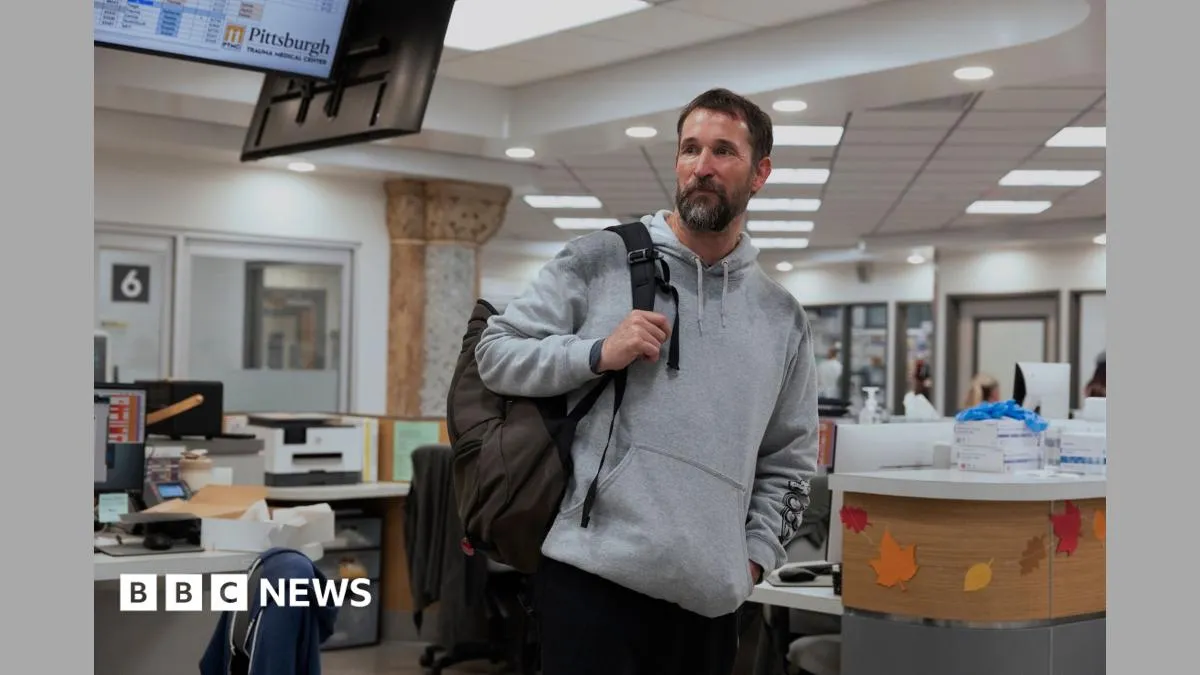
It's a familiar sight: a crowded waiting room, trolleys in corridors, and stressed medical staff. This isn't a typical NHS emergency unit. It's a Hollywood set for the TV series The Pitt.
Real-life doctors are among the show's biggest fans. Dr. Tony Cirillo, President of the American College of Emergency Physicians, said, "We finally feel validated for everything we go through every day."
On Monday, The Pitt could win big at the Emmys, America's top TV awards, with 25 nominations. Doctors say it's the most realistic medical drama yet, which is why they love it.
We're a new kind of news feed.
Regular news is designed to drain you. We're a non-profit built to restore you. Every story we publish is scored for impact, progress, and hope.
Start Your News DetoxThe series follows the staff of Pittsburgh's Trauma Medical Centre. Each of the 15 episodes represents one hour of a day.
The show constantly highlights the noise, fast pace, and demands on staff who rarely get a break. It shows complex, life-saving procedures in graphic detail.
The main character, Dr. Michael Robinavitch, known as Dr. Robby, is a seasoned emergency medicine consultant. Noah Wyle, who plays Dr. Robby, was also in the 90s drama ER. He is an executive producer and part of the writing team, which includes qualified doctors.
Doctors Feel Validated by The Pitt
Wyle spoke at a conference with over 6,000 emergency medicine experts. Dr. Cirillo noted that people didn't praise Wyle's acting. Instead, they simply said "thank you."
"The Pitt is more than just a good TV show – the term I use is validation," Cirillo said.
The show often explores social and ethical issues. One episode features a stressed daughter who leaves her sick mother in the emergency department. Another shows difficult talks with parents desperate to keep their child alive, despite doctors saying there's no hope.
Health inequalities are also shown, with some patients struggling to pay for care in the US system. Long waits and frustrated patients are common themes, similar to issues in the NHS. The series has become popular with medics in the UK.
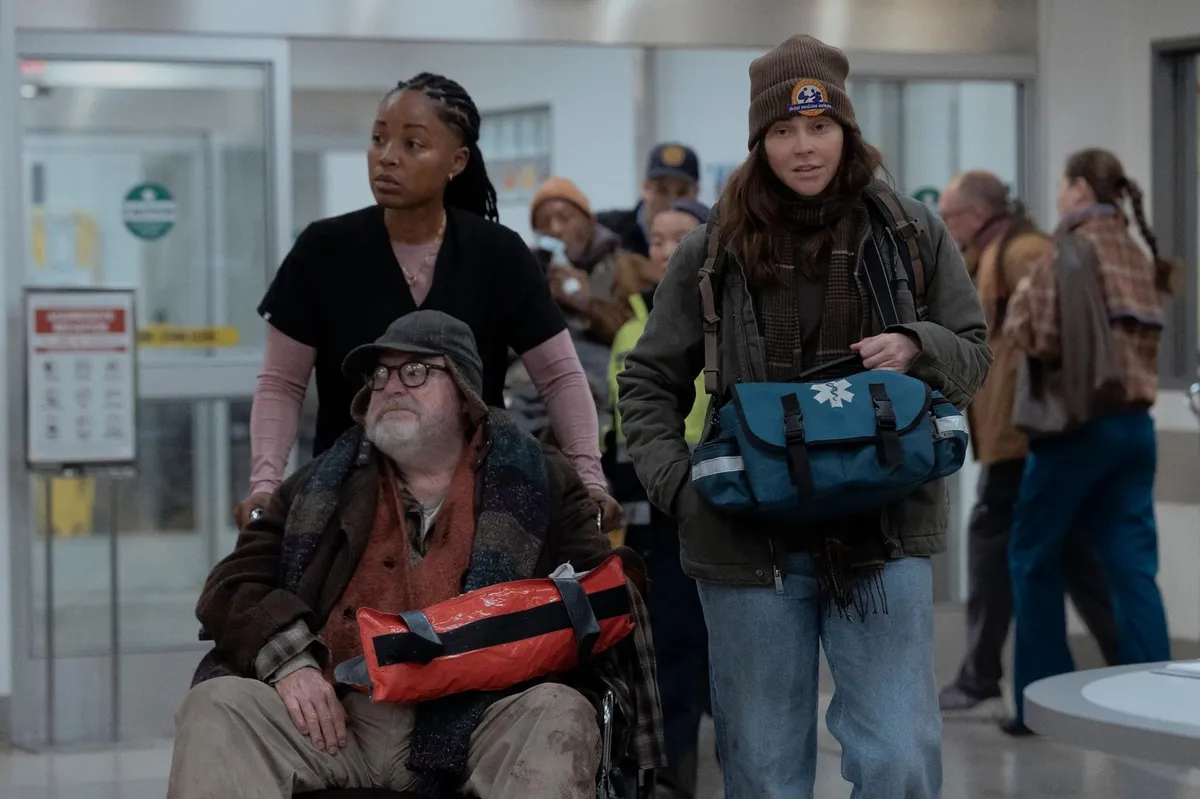
Doctors still watch the show, even after tough shifts. Dr. Fiona Hunter, vice president of the Royal College of Emergency Medicine in Scotland, said she wouldn't watch right after a shift. "But in between shifts, when I have got downtime, it's watchable, relatable. It makes me feel other people might get it."
Dr. Rob Perry, a consultant in North Wales, is also a fan. He finds it reassuring to see doctors and nurses portrayed doing their best to provide care.
Global Health Challenges Reflected
Doctors note that The Pitt condenses several urgent trauma cases into each episode, which would typically happen over 24 hours or more.
However, Professor Damian Roland, an emergency medicine consultant, says the drama highlights broader health challenges. He believes it helps put NHS problems into perspective.
"Virtually every emergency department in the world at the moment has not enough space to see patients," he said. "It's a very common theme in The Pitt about the central character arguing with hospital management saying 'I need more flow, you can't just leave these patients here' – that's a very common problem."
Sarah Tosh, a senior NHS nurse and the series' medical adviser, said, "In my work in the NHS, its very much we all work for one another and I like that we represent that on the show." She added that The Pitt focuses more on the medicine and patient care than the characters' daily lives.
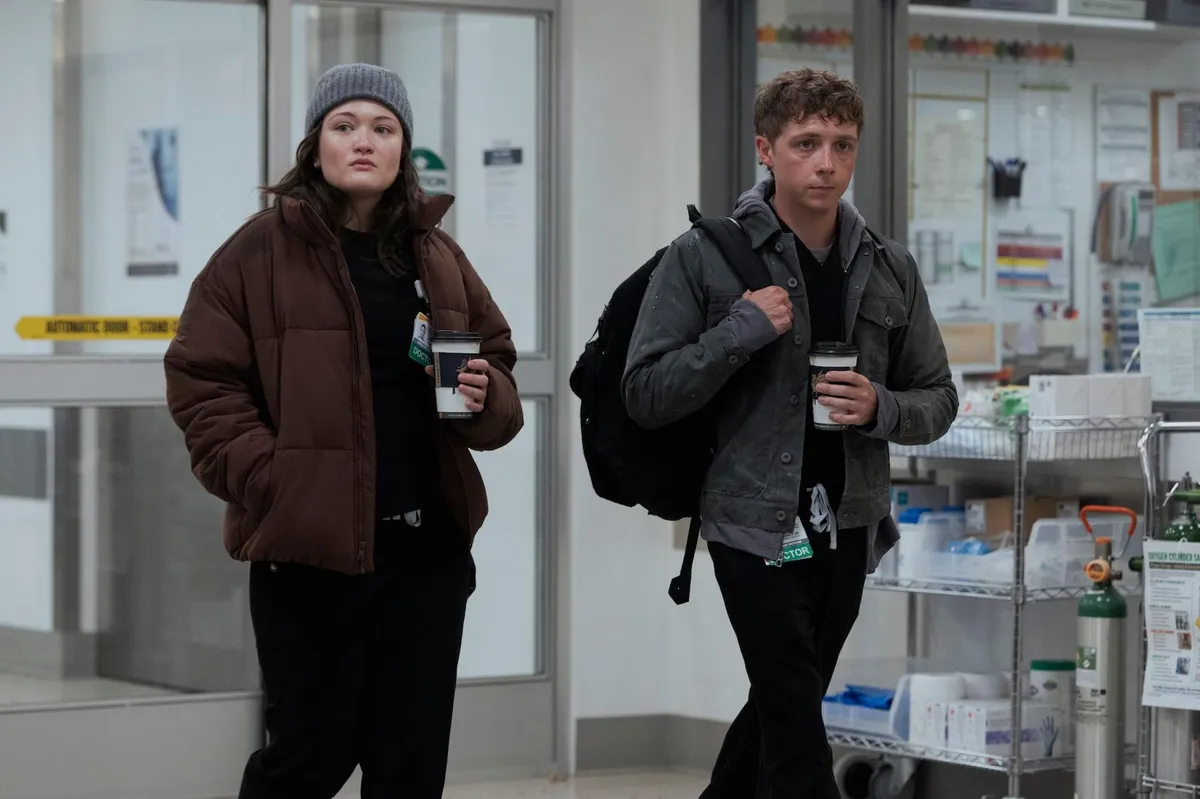
Gerran Howell, a British actor from South Wales, is one of the stars. He and other actors went through a medical boot camp to learn techniques and jargon, including CPR practice.
When asked if he'd like to become a doctor, Howell said, "I have such a newfound respect for the medical profession. It's maybe made me realise that I don't know how I would do this. I will stick to acting."
Howell is nominated for an outstanding supporting actor award at the Emmys. The winners will be announced on September 14 in Los Angeles.