The conversation about protecting our oceans usually happens in conference rooms where governments negotiate fishing quotas and shipping rules. But the real leverage over marine health often sits much closer to shore — in the hands of port authorities, school lunch programs, and city air quality boards.
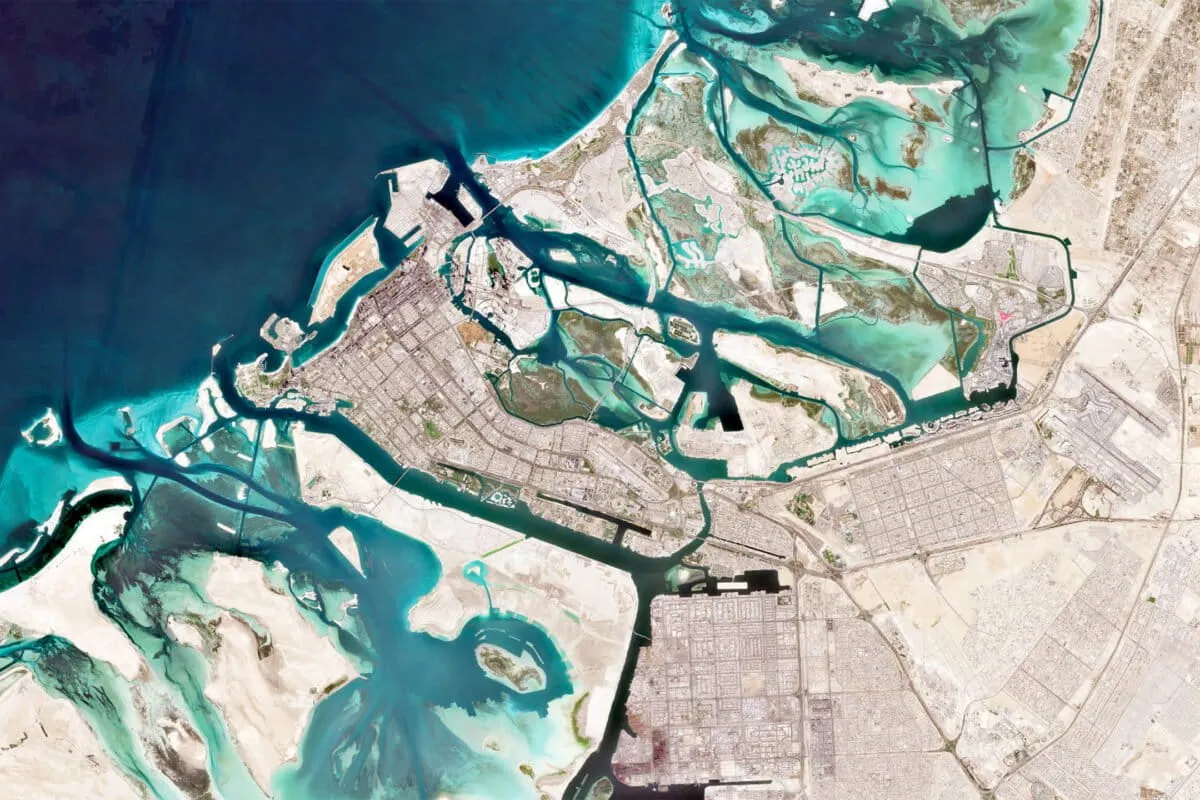
Consider what happens when a ship pulls into Los Angeles or Long Beach. It doesn't just dock. It enters a regulatory zone where local rules dictate everything from fuel type to how long engines can idle. In the 1990s, both ports introduced a Clean Air Action Plan designed to fight urban smog. The goal was local air quality, not ocean conservation. Yet the outcome reshaped global shipping. Companies retrofitted vessels with cleaner fuels, installed shore power systems, and accelerated fleet modernization — because the trade flowing through those ports was too valuable to lose. One of the world's busiest maritime corridors now sees measurably lower greenhouse gas emissions and particulate pollution, a shift that rippled across shipping routes worldwide.
This pattern reveals something that marine policy experts are only beginning to acknowledge: cities don't need international treaties to move the needle on ocean health. They just need to use the power they already have.
We're a new kind of news feed.
Regular news is designed to drain you. We're a non-profit built to restore you. Every story we publish is scored for impact, progress, and hope.
Start Your News DetoxThe Quiet Influence of Procurement
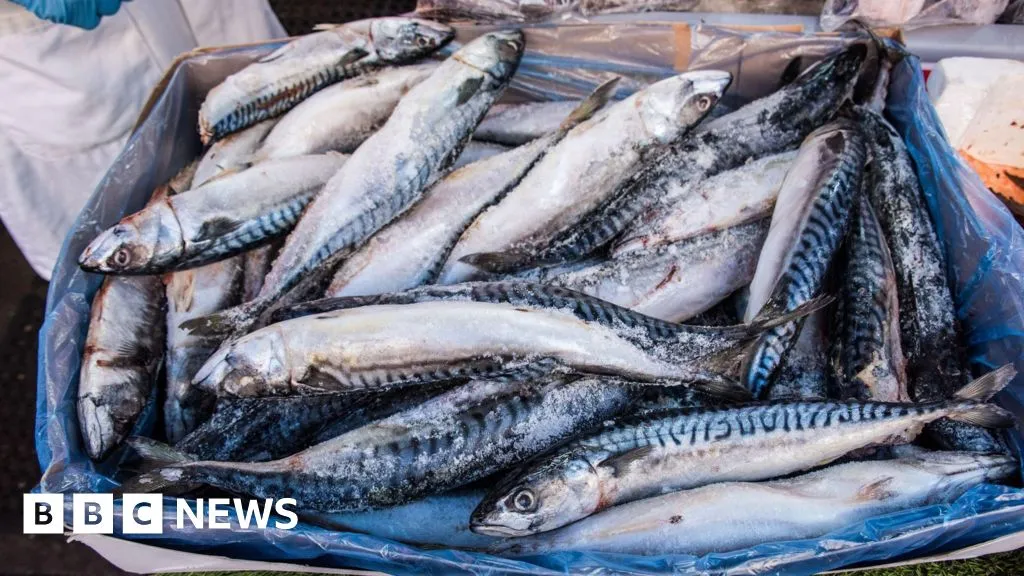
Take school lunch programs and hospital cafeterias. Major cities purchase seafood in enormous quantities for public institutions. When those buyers adopt sustainability standards — checking whether fish comes from responsibly managed fisheries, avoiding species at risk — they reshape entire supply chains. Several U.S. cities now use guidelines informed by the Monterey Bay Aquarium's Seafood Watch program, which evaluates fisheries based on environmental impact. In Brazil, when major cities shifted their shark procurement policies away from unsustainable sources, the purchasing patterns across entire regions changed. A municipal decision made in a budget meeting ended up influencing fishing practices hundreds of miles away.
What makes this approach powerful is its directness. A city government doesn't need to negotiate with other nations or wait for international consensus. It controls its own spending. When procurement officers say "we won't buy from this fishery," suppliers respond because they need that contract.
The broader implication is that ocean protection doesn't have to be a top-down process. Some of the most effective pressure points sit at the municipal level — ports setting standards, cities choosing what to buy, local air quality rules shaping how ships operate. These aren't glamorous policy victories. They won't make headlines at international climate summits. But they work because they operate within existing city authority and align environmental goals with economic incentives that businesses already understand.
As coastal cities grow and their purchasing power expands, this model may become the template for ocean governance: not waiting for perfect global agreements, but using the regulatory and economic tools already in hand to shift how the shipping and fishing industries operate.