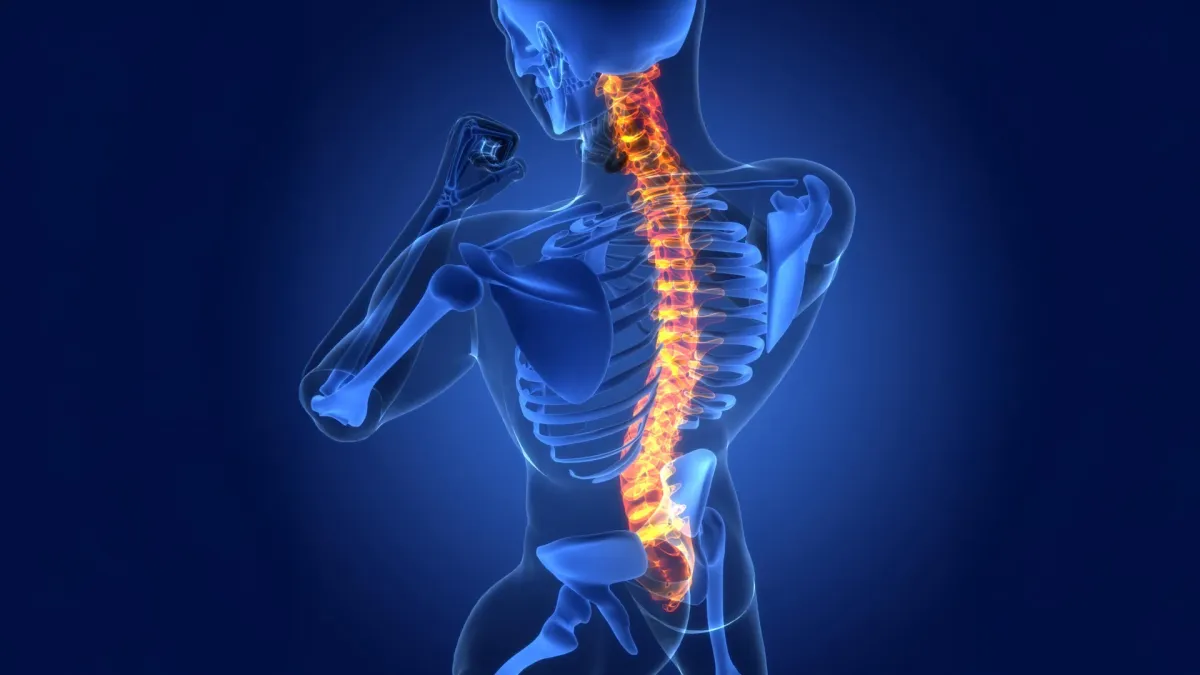
Half of people undergoing chemotherapy develop chemotherapy-induced peripheral neuropathy (CIPN): a brutal side effect that causes tingling, numbness, and chronic pain in the hands and feet. For some patients, the pain becomes severe enough that they have to stop cancer treatment altogether. Now researchers at Weill Cornell Medicine and Wake Forest University have identified what's actually triggering it—and found a way to block it.
The culprit isn't the nerves themselves. It's an immune stress response that was hiding in plain sight.
How Chemotherapy Triggers the Pain
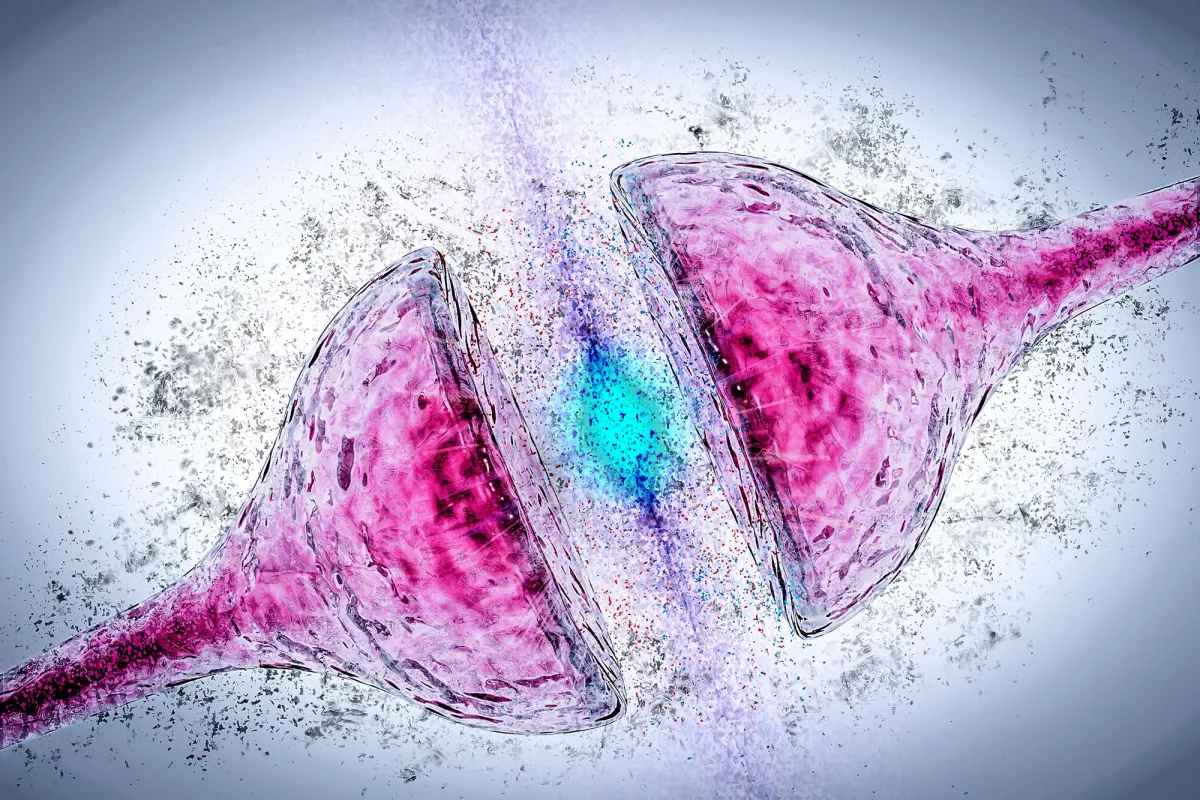
When chemotherapy drugs like paclitaxel circulate through the body, they stress immune cells, causing them to generate reactive oxygen species—molecules that put cells into a state of alarm. This stress activates a molecular pathway called IRE1α, which acts like an internal panic button. Once triggered, immune cells shift into high-alert inflammatory mode and migrate to the dorsal root ganglia, the sensory nerve clusters that connect your limbs to your spinal cord.
We're a new kind of news feed.
Regular news is designed to drain you. We're a non-profit built to restore you. Every story we publish is scored for impact, progress, and hope.
Start Your News DetoxOnce there, these activated immune cells release inflammatory signals that damage nearby nerve tissue. The result is the classic CIPN symptoms: pain, heightened sensitivity to cold, loss of nerve fibers.
Dr. Juan Cubillos-Ruiz, who co-led the research published in Science Translational Medicine, explains the significance: "We uncovered a molecular mechanism that maps specifically to immune cells, not neurons. This provides strong evidence that chemotherapy-induced neuropathy is not just a nerve issue but an immune-mediated inflammatory process."
This reframing matters. For years, researchers were looking for solutions in the wrong place—trying to protect nerves directly. But if the problem originates in the immune system's stress response, the solution might be simpler: calm the immune cells down before they damage the nerves.
Blocking the Stress Response Works
In mouse models, when researchers genetically disabled the IRE1α pathway in immune cells, inflammation dropped dramatically and CIPN symptoms largely disappeared. They then tested a drug that blocks IRE1α—one already being studied in early clinical trials for cancer patients. Mice treated with both chemotherapy and the IRE1α inhibitor showed fewer pain behaviors and healthier nerve tissue compared to mice receiving chemotherapy alone.
The elegant part: IRE1α inhibitors are already in development as cancer treatments. Blocking this pathway helps prevent tumors from resisting therapy. So the same drug could do double duty—making chemotherapy more effective while protecting patients from one of its most debilitating side effects.
A Blood Test on the Horizon
To test whether these lab findings translate to real patients, the researchers conducted a pilot study with women receiving paclitaxel for gynecologic cancers. Blood samples collected before and during chemotherapy revealed something promising: patients who later developed severe CIPN showed higher IRE1α-XBP1 activity in their immune cells before symptoms appeared.
This suggests a future blood test could identify which patients are at highest risk for developing neuropathy, allowing doctors to intervene preventively—potentially with IRE1α inhibitors—before nerve damage begins. Instead of managing pain after it develops, oncologists could stop it from happening in the first place.
The research opens a path forward where cancer patients might not have to choose between effective treatment and quality of life. The next step is moving from mouse models to human clinical trials.