Led Zeppelin set the standard for rock music in the late 1960s. This was a time when rock 'n' roll was changing. It moved from blues-influenced sounds to more experimental music.
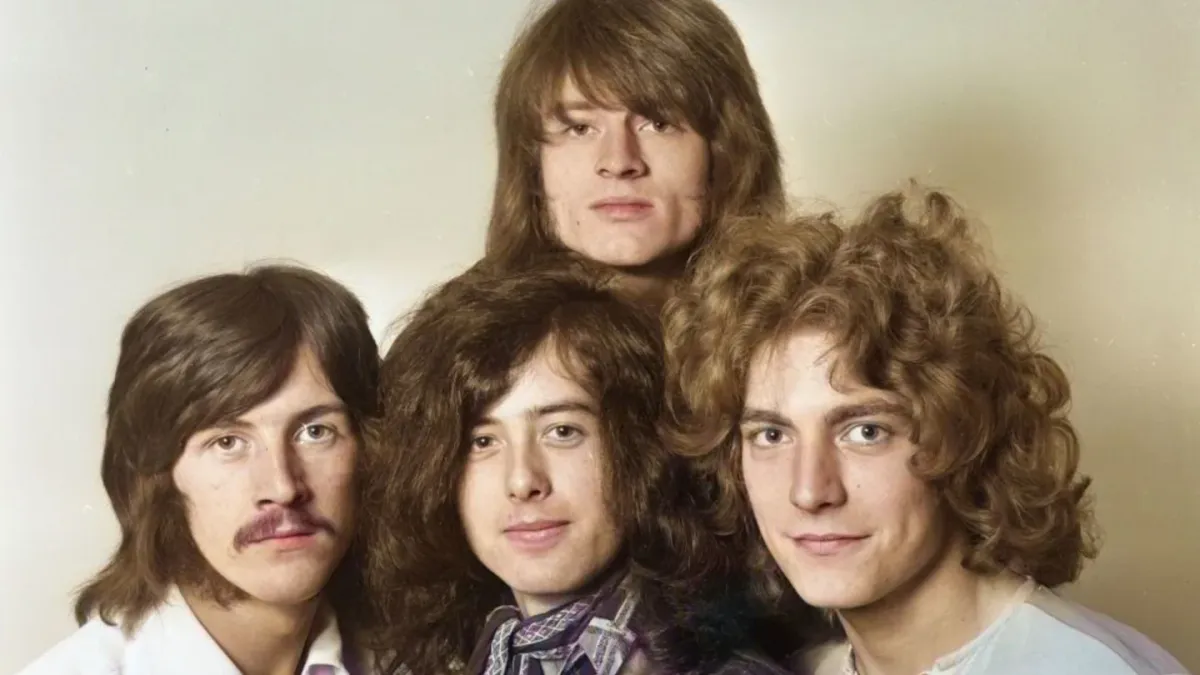
Guitarist Jimmy Page met bassist and keyboardist John Paul Jones in 1964. They played together on The Yardbirds' 1967 album, Little Games. After The Yardbirds broke up in 1968, Page formed a new band. He brought in Jones, singer Robert Plant, and drummer John Bonham. They called themselves The New Yardbirds.
This group created a unique sound. It mixed heavy blues, hard rock, and explosive energy. This sound would soon be known worldwide as Led Zeppelin. The story of how they got their famous name is quite surprising.
We're a new kind of news feed.
Regular news is designed to drain you. We're a non-profit built to restore you. Every story we publish is scored for impact, progress, and hope.
Start Your News DetoxThe Joke That Made Music History
Before they were Led Zeppelin, the band started as Page's new project. Page was a well-known session musician. He and Jones decided to work together after their first bassist left.
In August 1968, Page asked Plant and Bonham to join for a tour in Scandinavia. They performed as The New Yardbirds. This was a temporary name for the band that would soon become huge.
The name Led Zeppelin officially launched later that year. Its origin was unexpected. The idea reportedly came from Keith Moon, the drummer for The Who. Moon was talking with Page and other musicians about forming a supergroup. He joked that the project would fail, saying it would "go down like a lead balloon."
Page didn't dismiss the comment. Instead, he found inspiration in it. The phrase changed from "lead balloon" to something grander: a zeppelin. These were the huge airships that flew in the early 20th century. This led to the name Led Zeppelin. Page later said Moon mentioned the name, and he simply asked if he could use it.
There's some debate about who first said the phrase. Some say it was The Who's John Entwistle. But no matter who said it, the joke became one of rock's most legendary band names.
A Legacy Larger Than Life
Once the group became Led Zeppelin, they quickly rose to fame. Their music featured powerful drums, strong guitar riffs, and dynamic vocals. Songs like "Stairway to Heaven," "Kashmir," "Black Dog," and "Immigrant Song" defined an entire era of rock music.
Through their early albums, many awards, and eventual split in 1980 after Bonham's death, the band was known for their intense shows and distinct sound. If Led Zeppelin was on the radio, you knew it.
Their music resonated with audiences everywhere. They appeared on the covers of rock magazines globally. Fans and critics praised their experimental music, technical skill, and commanding stage presence.
Their legacy goes beyond hit songs and best-selling albums. They fundamentally changed the direction of rock music.
The Lead Balloon Takes Flight
What started as a funny comment about failure became a name that means rock 'n' roll.
With Page, Plant, Jones, and Bonham, Led Zeppelin became a timeless rock icon. They are admired across generations. It all began with four talented musicians and a joke that took them further than anyone imagined, far above the fate of a lead balloon.