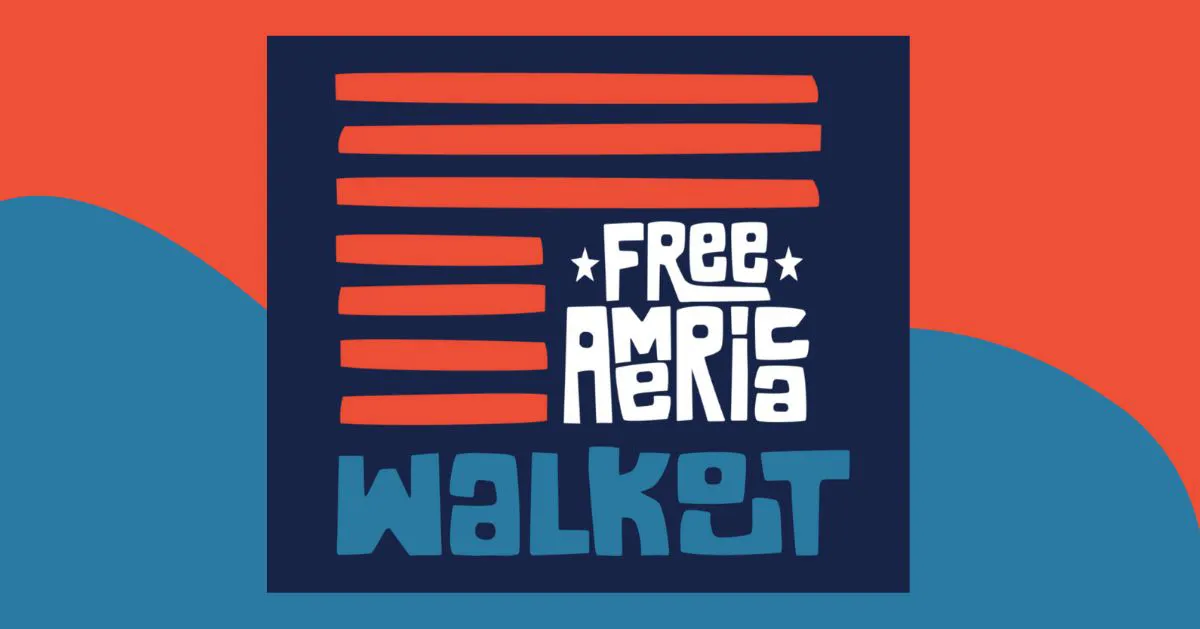
On January 20, 2026, something shifts. At 2 p.m. local time across the United States, thousands of people will step away from their desks, their classrooms, their shifts. It's the "Free America Walkout" — a coordinated action organized by Women's March, 50501, FEMINIST, and allied groups to mark nine years since the original 2017 march and respond to what organizers describe as "a rapid series of escalations" including immigration raids, expanded militarization, and attacks on workers and families.
This time, the strategy isn't symbolic. It's structural.
"The strategy of the walkout is to show the collective power of the people, organize across workplaces and communities, and make it visible what happens when people come together and withdraw labor, participation, and cooperation," explains Rachel O'Leary Carmona, executive director of Women's March. Where the 2017 march drew massive crowds in Washington, D.C. and sister cities nationwide — people in pink knitted hats carrying signs — this moment asks something different: What if we stopped showing up?
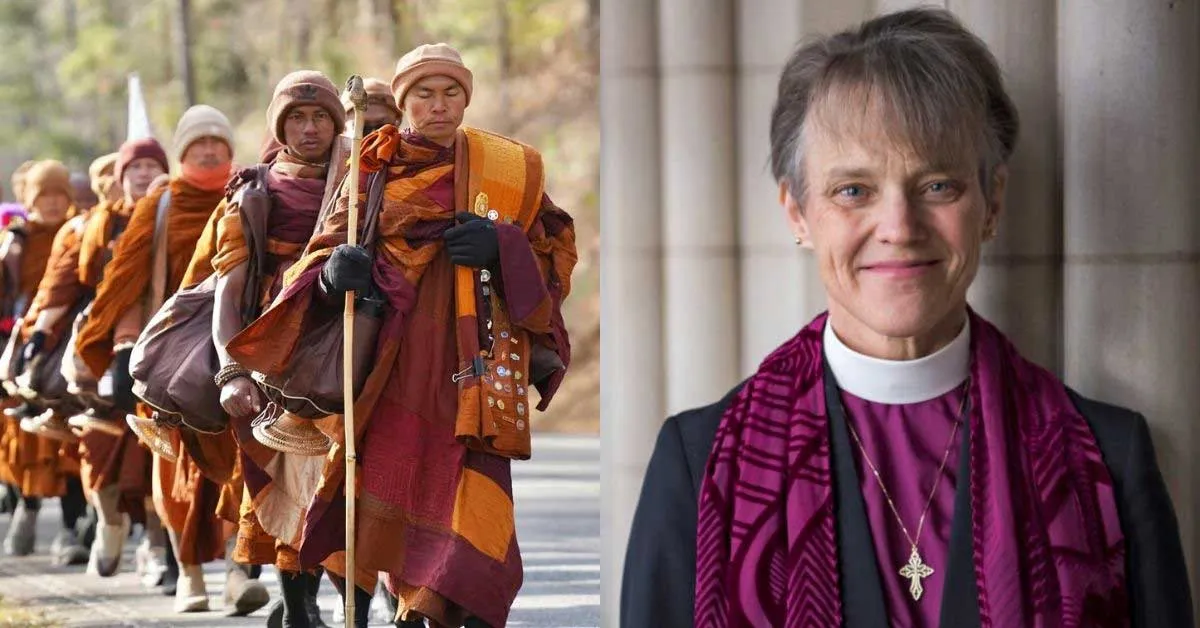
Image courtesy of Women's March
Over 600 events are already planned across all 50 states and Puerto Rico, with international actions organized in Canada, France, Italy, and the Netherlands. The walkouts will take different shapes: school walkouts, marches to federal buildings, vigils, sit-ins. Organizers expect tens of thousands to participate, framing this as a "collective escalation" — testing whether coordinated non-compliance can build momentum for larger resistance.
We're a new kind of news feed.
Regular news is designed to drain you. We're a non-profit built to restore you. Every story we publish is scored for impact, progress, and hope.
Start Your News DetoxThe risk calculus is real. A walkout carries more consequences than attending a march. Carmona acknowledges this directly, encouraging participants to check workplace policies, talk with union representatives, and make choices that fit their circumstances. Some might use break time for a brief step outside. Others might join community gatherings. Some workplaces might close temporarily in solidarity.
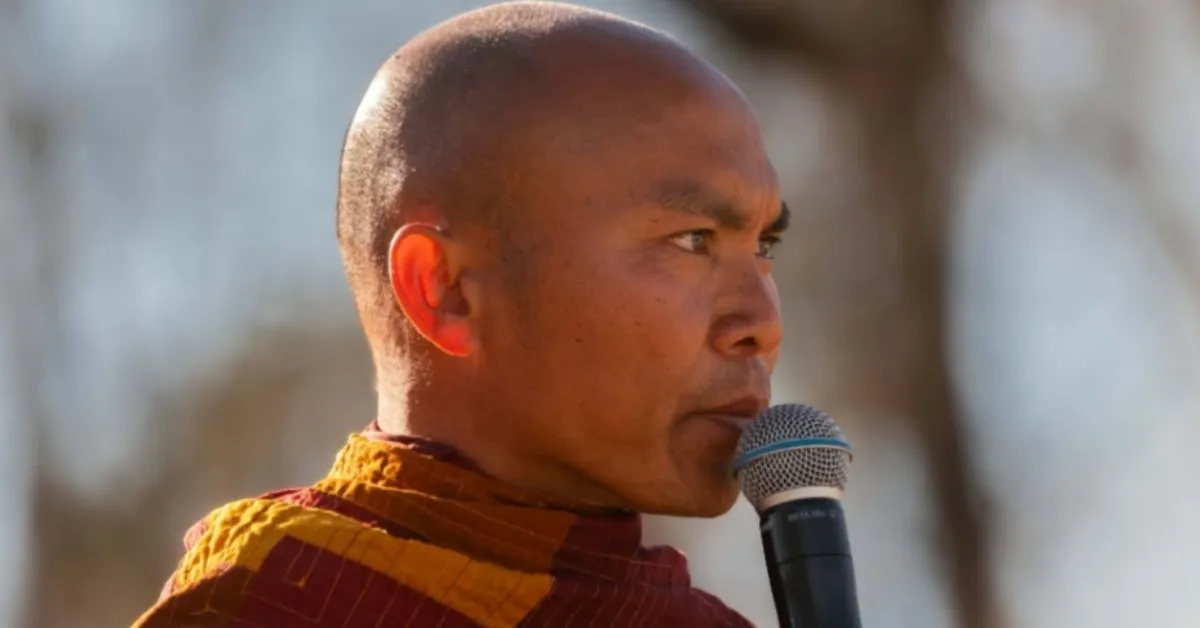
Image courtesy of @sd_herzog_photo
What's notable is the underlying logic: "Authoritarianism runs on our obedience, and we're withdrawing it," Carmona says. The walkout isn't meant to convince anyone or win a debate. It's meant to demonstrate that when ordinary people coordinate, systems that look immovable actually depend on their participation. When that participation pauses, even briefly, things change.
The momentum building toward January 20 suggests this moment has resonated beyond traditional activist circles — enough people, in enough places, are ready to test whether collective withdrawal of labor and presence can shift what feels fixed. What happens next depends on whether that coordination holds.