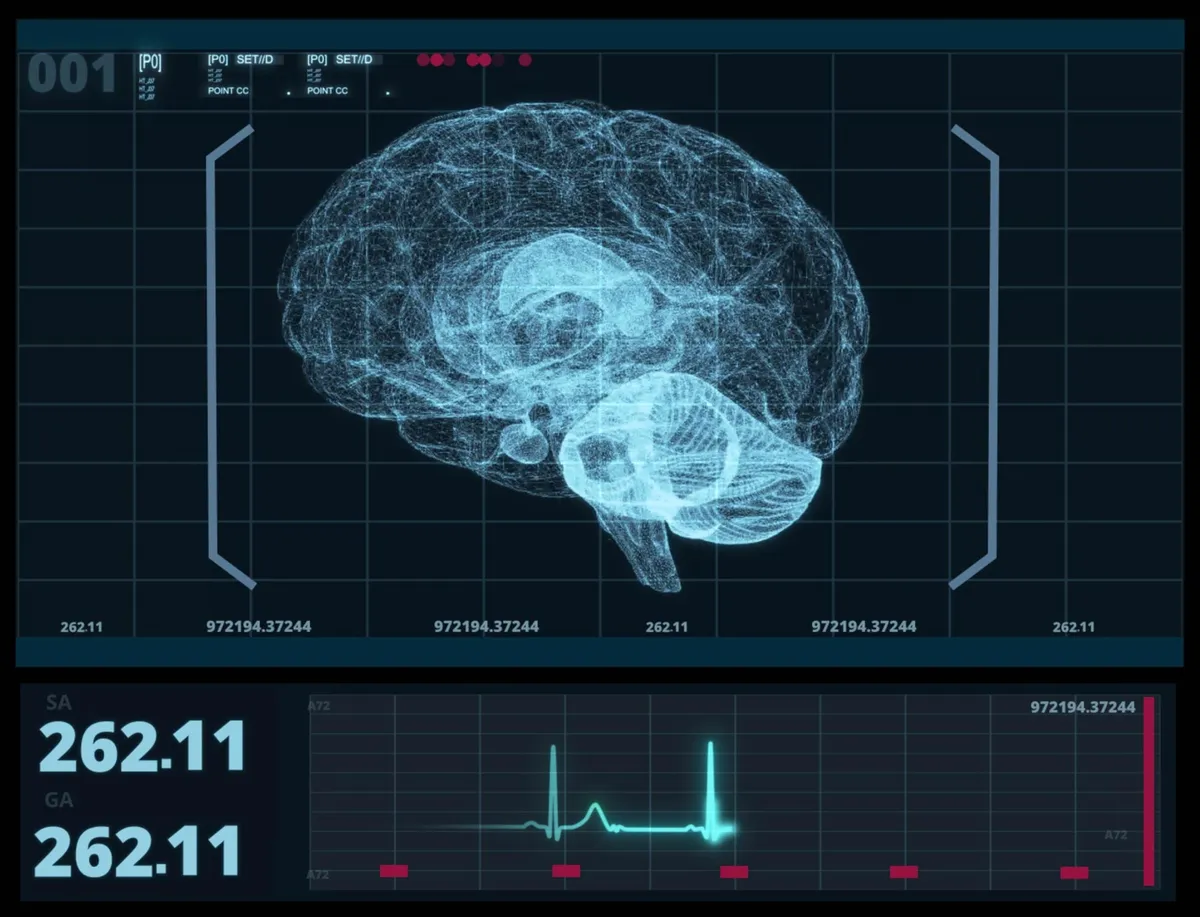
Researchers at the University of Michigan have built an AI system that reads brain MRI scans and delivers a diagnosis faster than a radiologist can blink. The model, called Prima, identified neurological conditions with 97.5% accuracy across more than 30,000 real patient scans — and it does something equally important: it flags which patients need immediate care.
This matters because neurological emergencies don't wait. A stroke or brain hemorrhage needs treatment within hours, not days. Right now, in many hospitals, patients finish their MRI scan and then wait. Sometimes for days. Prima changes that timeline. It automatically alerts the right specialist — a stroke neurologist, a neurosurgeon — the moment the scan is done, so treatment can start without the usual delay.
How Prima Works
Prima is a vision language model, the kind of AI that can process images and text together in real time. The University of Michigan team trained it on over 200,000 MRI studies and 5.6 million imaging sequences from their own health system, feeding it not just the scans themselves but also patient medical histories and the reason each scan was ordered in the first place. In other words, Prima learned the way radiologists actually work — by integrating the full clinical picture, not just staring at images in isolation.
We're a new kind of news feed.
Regular news is designed to drain you. We're a non-profit built to restore you. Every story we publish is scored for impact, progress, and hope.
Start Your News DetoxWhen tested against other leading AI systems designed for brain imaging, Prima outperformed them. It ranked cases by urgency, caught diagnoses across more than 50 different neurological conditions, and did it all in seconds.
The Real Problem It Solves
Here's the gap Prima is designed to fill: millions of MRI scans happen every year worldwide, but there aren't nearly enough trained neuroradiologists to read them all. In some health systems, the bottleneck is so severe that diagnostic delays ripple through the whole care chain. Rural hospitals especially feel the squeeze — they might have one radiologist covering everything from brain scans to broken bones. A tool that can handle the first read, flag the urgent cases, and route them to the right specialist could genuinely change how quickly people get answers.
"Whether you're at a large hospital drowning in volume or a rural hospital with limited staff, you need something like this," said Vikas Gulani, chair of radiology at U-M Health.
What's Next
The researchers are clear that this is early-stage work. Future versions will incorporate more patient data from electronic medical records, which should push accuracy even higher. The team also sees Prima as a template — the same approach could work for mammograms, chest X-rays, ultrasounds. Think of it as ChatGPT for medical imaging: not replacing radiologists, but working alongside them, handling the routine reads and flagging the urgent ones so human expertise goes where it matters most.