Listening to nature's sounds is not only pleasant but also good for your health. Now, it's also helping to keep national park ecosystems healthy.
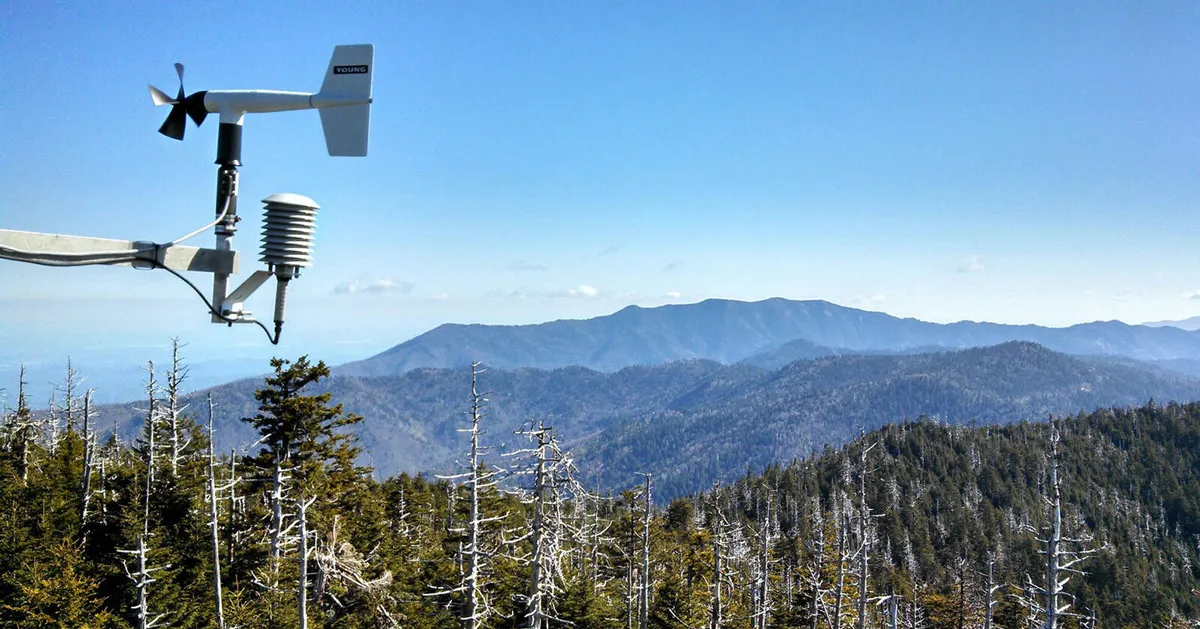
Pennsylvania State University runs the Protected Areas Research Collaborative (PARC) Listening Lab. This lab works with the National Park Service. Scientists place microphones in national parks to record sounds. These recordings are sent back to students at the lab, who then analyze them.
How the Lab Helps Parks
The students' findings go to park officials. This data helps them manage animal populations and protect the natural sounds of the ecosystems.
We're a new kind of news feed.
Regular news is designed to drain you. We're a non-profit built to restore you. Every story we publish is scored for impact, progress, and hope.
Start Your News DetoxPeter Newman, co-director of PARC, explained that understanding natural sounds helps track how ecosystems are changing globally. He noted that once a baseline of natural sounds is established, it's easier to see how human noise affects these environments.
The lab's analysis also helps manage park visitors. By collecting data on how people use these spaces, the lab helps improve things like trails and transportation systems.
The lab has over 20 years of soundscapes. This collection helps national parks understand their past and plan for their future. Andrew Barnard, a Penn State professor, said this acoustic data helps parks make better conservation decisions.
Preserving Soundscapes
These soundscapes also act as an archive. They preserve the unique sounds that define a place.
 Photo courtesy of NPS
PARC has an archive of natural sounds available on the NPS website. As NPS writers joke, "If a tree falls in the woods, and no one is around to hear it... it may have been recorded."
The National Park Service aims to protect the soundscape and acoustic environment in parks. To do this, park planners need reliable data. They need to know what natural and cultural sounds are present, what types of noise occur, and how often and loud these sounds are.
Morgan Crump, a Penn State graduate researcher, studies recreation and social data. She emphasized the importance of understanding these soundscapes. Crump noted that this work impacts wildlife health and visitor experience. For many, nature is an escape, and its sounds are a big part of that experience.