Over 21 years, researchers tracked more than 105,000 women and found something straightforward: the closer women stuck to a Mediterranean diet, the less likely they were to have a stroke.
The numbers are worth sitting with. Women who ate the most vegetables, fruits, fish, and olive oil while limiting red meat had an 18% lower stroke risk overall. For hemorrhagic stroke—the bleeding kind, which gets far less research attention—the protection was even stronger at 25% lower risk.
The Diet That Showed Up
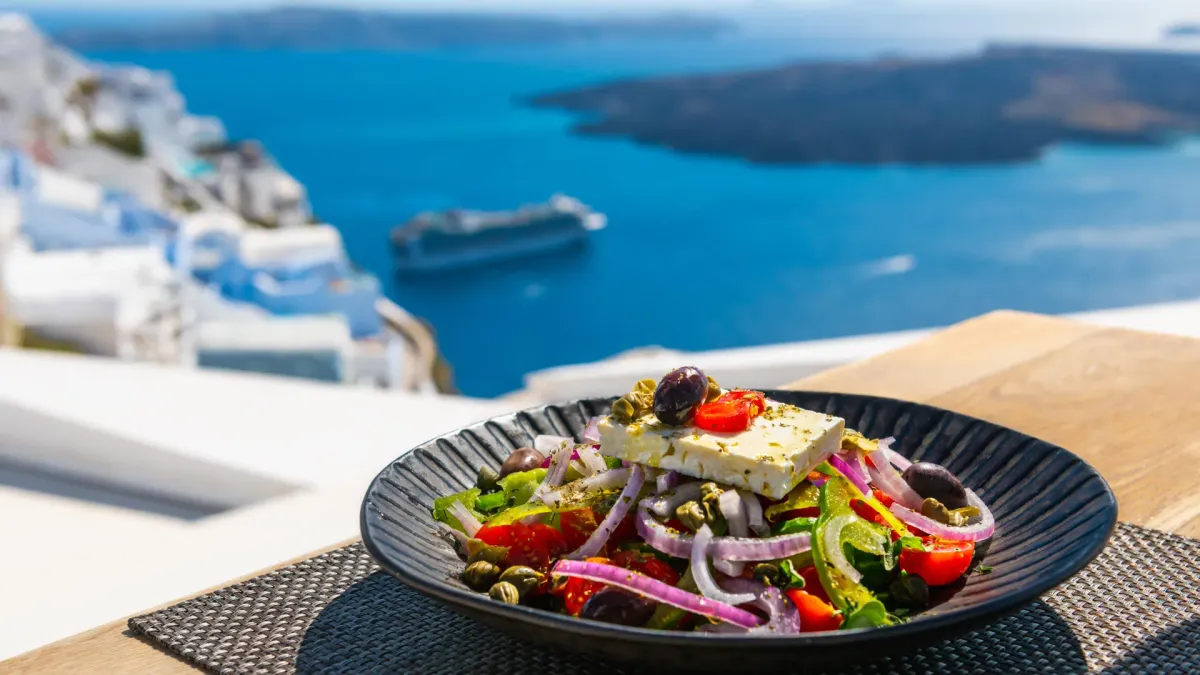
This wasn't about exotic superfoods or complicated meal prep. The Mediterranean approach means loading your plate with plants: vegetables, fruits, legumes, whole grains. Add fish regularly. Use olive oil as your main fat. Pull back on red meat and dairy. Moderate alcohol, if you drink. Simple enough on paper. The harder part is actually doing it consistently.
We're a new kind of news feed.
Regular news is designed to drain you. We're a non-profit built to restore you. Every story we publish is scored for impact, progress, and hope.
Start Your News DetoxResearchers assigned each woman a score from zero to nine based on how closely her eating matched these guidelines. About 30% of participants landed in the highest group (scoring 6–9), while 13% were in the lowest (0–2). The gap between these groups mattered.
During the study period, 4,083 strokes occurred among the women. In the highest-scoring group, there were 1,058 ischemic strokes (the clot kind). In the lowest group: 395. For hemorrhagic strokes, the highest group had 211 cases versus 91 in the lowest. Even after accounting for smoking, exercise, and blood pressure—all major stroke risk factors—the diet effect held steady.
"Stroke is a leading cause of death and disability, so it's exciting to think that improving our diets could lessen our risk," said Sophia S. Wang, the study's lead author at City of Hope Comprehensive Cancer Center. She noted that the finding for hemorrhagic stroke was especially significant because few large studies have examined this less common stroke type.
One honest limitation: the women self-reported what they ate, so memory gaps and estimation errors almost certainly crept in. Real-world eating is messier than a questionnaire can capture. But the 21-year timeframe and the size of the group—over 100,000 women—give the findings real weight.
The research adds to mounting evidence that what you eat isn't just about weight or energy levels. It's foundational to whether your brain stays protected from one of the most serious health events that can happen. The Mediterranean diet keeps showing up in study after study as one of the patterns that works.