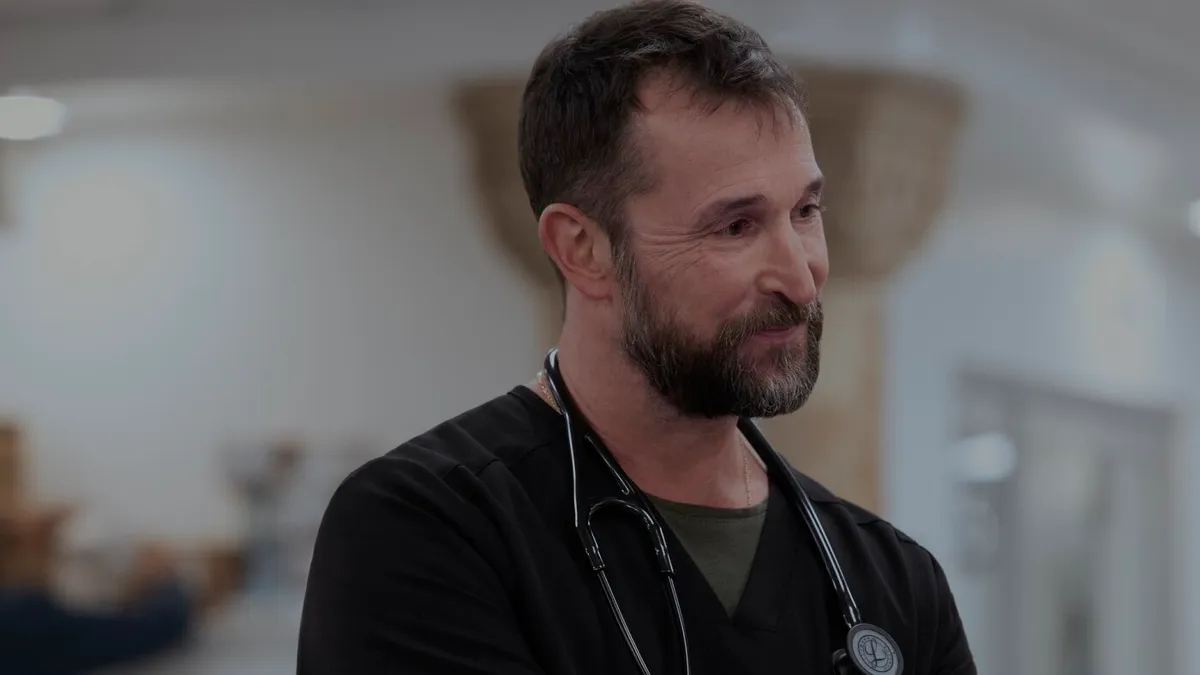
The structure of HBO Max's Emmy-winning drama The Pitt seems designed for maximum chaos: every episode covers a single hour in a Pittsburgh emergency department. Season 1 delivered exactly that—deaths, mass casualties, a doctor stealing pills, assaults, endless wardrobe changes. But the real story was Dr. Robby, played by Noah Wyle, whose accumulated trauma from COVID and the loss of his mentor finally broke him. He collapsed, sobbing, in the hospital morgue.
That moment felt like it could be the turning point. On most shows, it would be. He'd see how bad things were, seek help, lean on friends, get better. But when Season 2 opens ten months later, Robby is riding a motorcycle to work without a helmet—a reckless choice that an ER doctor knows signals something is very wrong.
Feelings That Don't Fit in a Shift
The second season reveals what the show is actually about: the feelings and tensions that take far longer than a single day to untangle. Robby's breakdown didn't resolve anything. It just paused.
We're a new kind of news feed.
Regular news is designed to drain you. We're a non-profit built to restore you. Every story we publish is scored for impact, progress, and hope.
Start Your News DetoxHe's about to take a three-month sabbatical, and nothing is well. His mentor, once warm and encouraging, is now chilly and impatient. His former protégé Langdon has returned from rehab genuinely sorry, wanting to make amends as part of his recovery. But Robby won't speak to him, won't let him treat patients even when the department is drowning. The question the show asks isn't simple: Should Langdon have tried to apologize while Louie was in the hospital? Should he expect a big clearing-the-air conversation during a crushing shift? Is there middle ground between freezing someone out and expecting instant forgiveness?
If Season 1 was about acute problems exploding in a single day, Season 2 is about chronic ones that won't resolve. Trauma doesn't have an expiration date. Addiction is a daily threat. Trust broken by someone like Langdon lingers, awkward and messy. Santos, who reported Langdon's pill theft, still carries the weight of that decision even as she's found her footing professionally.
A new attending physician, Dr. Al-Hashimi, immediately gets under Robby's skin. He sees her as overstepping, and his judgment hardens instantly. But other characters like Mohan respect her deeply—and the show is smart enough to suggest that Robby's perception might not be reliable anymore. His voice doesn't carry the authority it once did.
What makes this season complex is that everyone is sometimes right. Al-Hashimi initially feels like a threat to Robby, especially with her interest in using AI for doctor's notes. But she turns out to be a genuinely compassionate teacher and patient advocate. Even the AI question isn't as simple as it appears: As Dana keeps telling Santos she'll have to stay late to finish charting after already long shifts, Al-Hashimi points out that AI could help these doctors live better lives. Maybe there are no good outcomes, only less bad ones.
The Slow Fade
What's happened to Robby is quieter and more insidious than a dramatic breakdown. He plays favorites now—more than ever. When his first protégé, a white doctor, went astray, Robby picked another white doctor to mentor. It's a small sample, but Robby has never shown the personal interest in Mohan, Javadi, McKay, Mel, or Santos that he gave to Langdon and now Whitaker. The show hasn't fully addressed this yet, but hopefully will.
It's not that Robby was good and is now bad. It's that what looked like bottomless compassion in a single day revealed itself as finite over nearly a year. His reflexive kindness wasn't unchangeable. And when untreated trauma settles in, the natural defense is numbness and detachment. That's the danger now. It's less dramatic than seeing someone collapse, but more insidious and harder to reverse.
After an explosion of feeling, if nothing changes, that feeling calcifies. This becomes who you are: a teacher too impatient to teach, a colleague who doesn't offer support, a person who has seen hundreds of unhelmeted motorcycle accidents and their terrible endings, and has decided that's the direction he wants to ride.