Chronic inflammation is the silent villain of modern health, quietly setting the stage for everything from type 2 diabetes to heart disease and even some cancers. It’s your immune system’s overzealous response, constantly firing off signals when it should really be chilling out.
Turns out, your dinner plate might be a secret weapon. For centuries, traditional diets have mixed certain foods and spices, packed with natural compounds called phytochemicals. People knew these combinations worked, even if they didn't have a molecular diagram to explain why.
The Unsung Heroes of Your Spice Rack
Scientists have been scratching their heads about this for a while. Individual plant compounds often show anti-inflammatory powers in a petri dish, but usually at levels far higher than you’d ever consume in a meal. So, does that turmeric latte actually do anything, or is it just a delicious placebo?
We're a new kind of news feed.
Regular news is designed to drain you. We're a non-profit built to restore you. Every story we publish is scored for impact, progress, and hope.
Start Your News DetoxProfessor Gen-ichiro Arimura and his crew at Tokyo University of Science decided to find out. They looked at how compounds from mint, eucalyptus, and chili peppers — alone and in combination — affected inflammation in immune cells. Their findings, published in the journal Nutrients, are a bit of a mic drop.
They poked and prodded macrophages (the immune cells that crank out inflammatory proteins) with a bacterial component to get them all riled up. Then, they treated these cells with menthol (from mint), 1,8-cineole (from eucalyptus), capsaicin (from chili peppers), and β-eudesmol (from hops and ginger).
What happened next was like watching a culinary superhero team-up.
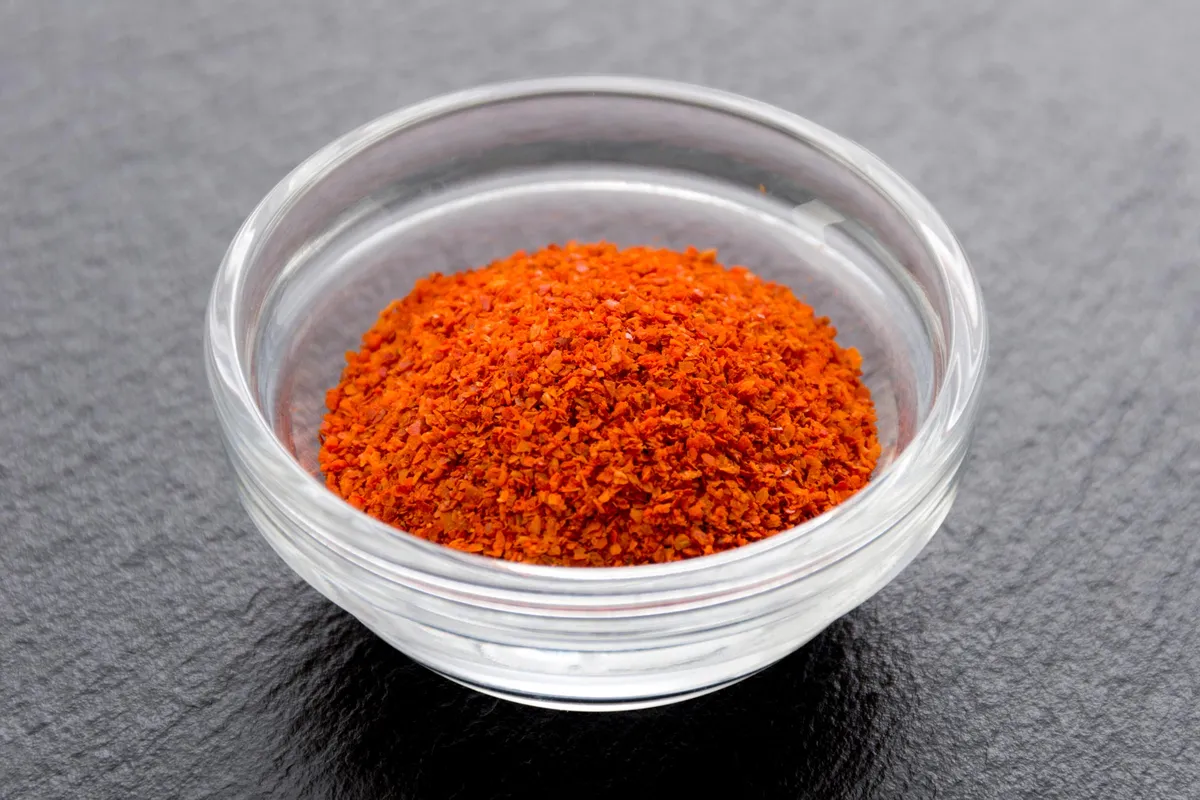
Capsaicin, the stuff that makes chili peppers spicy, was a strong solo act. But when combined with menthol or 1,8-cineole? Their anti-inflammatory effect skyrocketed several hundred-fold compared to each compound on its own. Let that satisfying number sink in.
The team figured out the secret handshake: Menthol and 1,8-cineole work through specific cellular channels (TRP channels and calcium signals), while capsaicin takes a completely different route. Professor Arimura explained, "We showed that this combined effect is not by chance. It's based on a new way of working that comes from activating different signaling pathways inside the cell at the same time." Basically, they're hitting inflammation from multiple angles.
This isn't just lab bench magic. It's solid molecular proof for the wisdom of traditional food pairings. It means those small amounts of compounds in your food could actually be doing some serious heavy lifting for your health.
So, future functional foods, supplements, or even just your everyday seasonings could pack a much bigger punch with smaller amounts of active ingredients. It's a pretty compelling argument for why a plant-rich diet, with its symphony of compounds, is probably a lot better for you than chasing after one single “super” ingredient. And if that's not worth a little spice, what is?