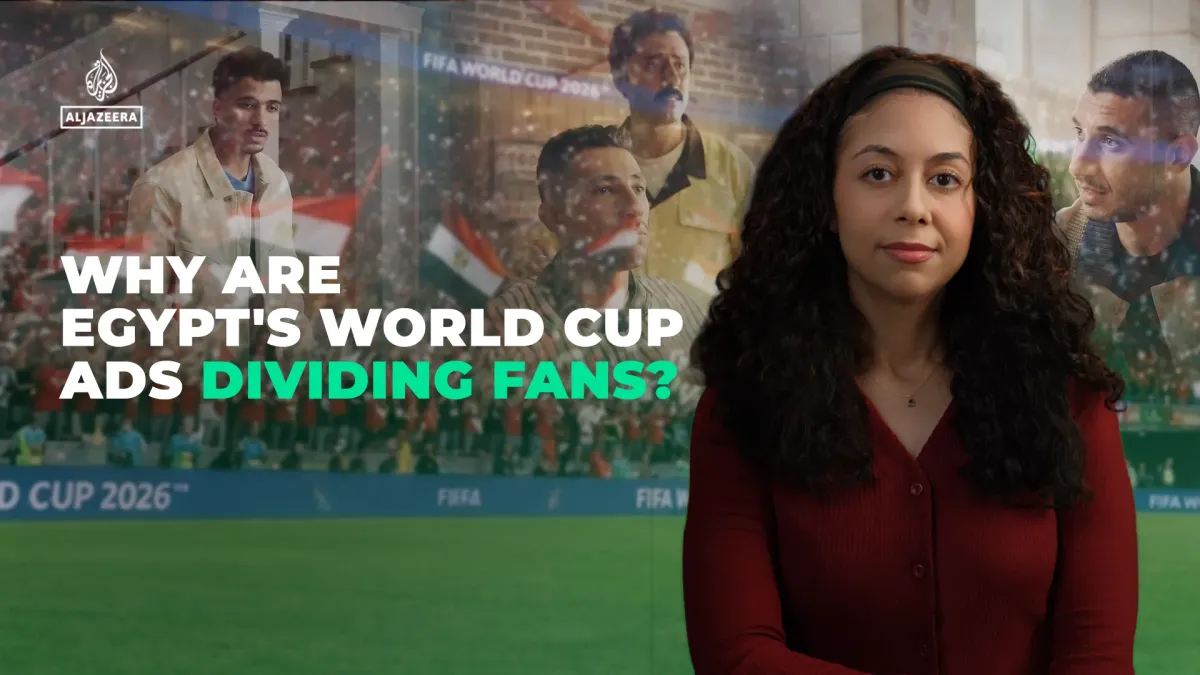
The latest World Cup commercials in Egypt all start the same way. A barber, an aunt, or a family member discusses the FIFA World Cup, assuming Egypt will exit after the group stage.
Then, an Egyptian footballer pushes back. "To all the doubters, this time we're staying longer." This line is resonating deeply across the nation. Egyptian fans are eagerly awaiting the final group stage matches. These games could send The Pharaohs, as the national team is known, into the knockout stages for the first time ever.
Egypt's World Cup History
Egypt was the first African and Arab nation to play in a World Cup, back in 1934. The country has won the Africa Cup of Nations a record seven times. Football is a huge part of Egypt's national identity, and The Pharaohs have always been a source of pride.
We're a new kind of news feed.
Regular news is designed to drain you. We're a non-profit built to restore you. Every story we publish is scored for impact, progress, and hope.
Start Your News DetoxHowever, the World Cup has been a different story. Before this tournament, Egypt had only qualified three times: in 1934, 1990, and 2018. They had never won a single match. Fans still remember the painful penalty shootout loss to Senegal that kept Egypt out of the 2022 Qatar World Cup.
What's Different This Time?
This year feels different. After two games, Egypt leads Group G, ahead of Iran, Belgium, and New Zealand.
Egypt, ranked 26th, drew 1-1 with 10th-ranked Belgium in its first match. Then, they beat lower-ranked New Zealand 3-1.
Their four points are the most Egypt has ever earned at a World Cup. Their four goals are also a new record for Egypt at the tournament.
On Friday night in Seattle, which is early Saturday morning in Egypt, the team plays Iran in their final group game. A win or a draw would guarantee Egypt's national team a spot in the knockout stages for the first time.
If Egypt loses to Iran, they might still advance to the round of 32. However, their fate would depend on the Belgium-New Zealand match, played at the same time, and potentially on outcomes in other groups. Eight of the 12 third-place teams will also move to the next round.
In short, Egypt is on the verge of making history. Only a rare combination of results could stop them.
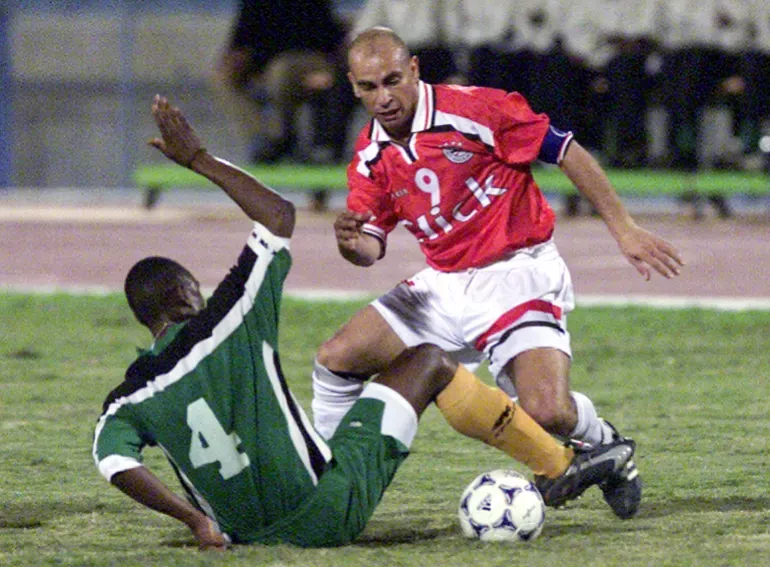 Hossam Hassan, now the Egyptian coach, seen here manoeuvring the ball during a friendly international match against Zambia in Cairo January 9, 2001 [Reuters]
This year's difference isn't just about the team's performance. Many fans feel the identity of the coach, Hossam Hassan, is key. Hassan is Egypt’s all-time top scorer and a football icon. In 1990, he scored the goal that sent Egypt to the World Cup in Italy, ending a 56-year wait. Now, he is the national team’s coach, making him the first Egyptian to reach the World Cup as both a player and a manager.
For older fans, his presence brings back memories of a time when Egypt truly believed it could succeed on the world stage.
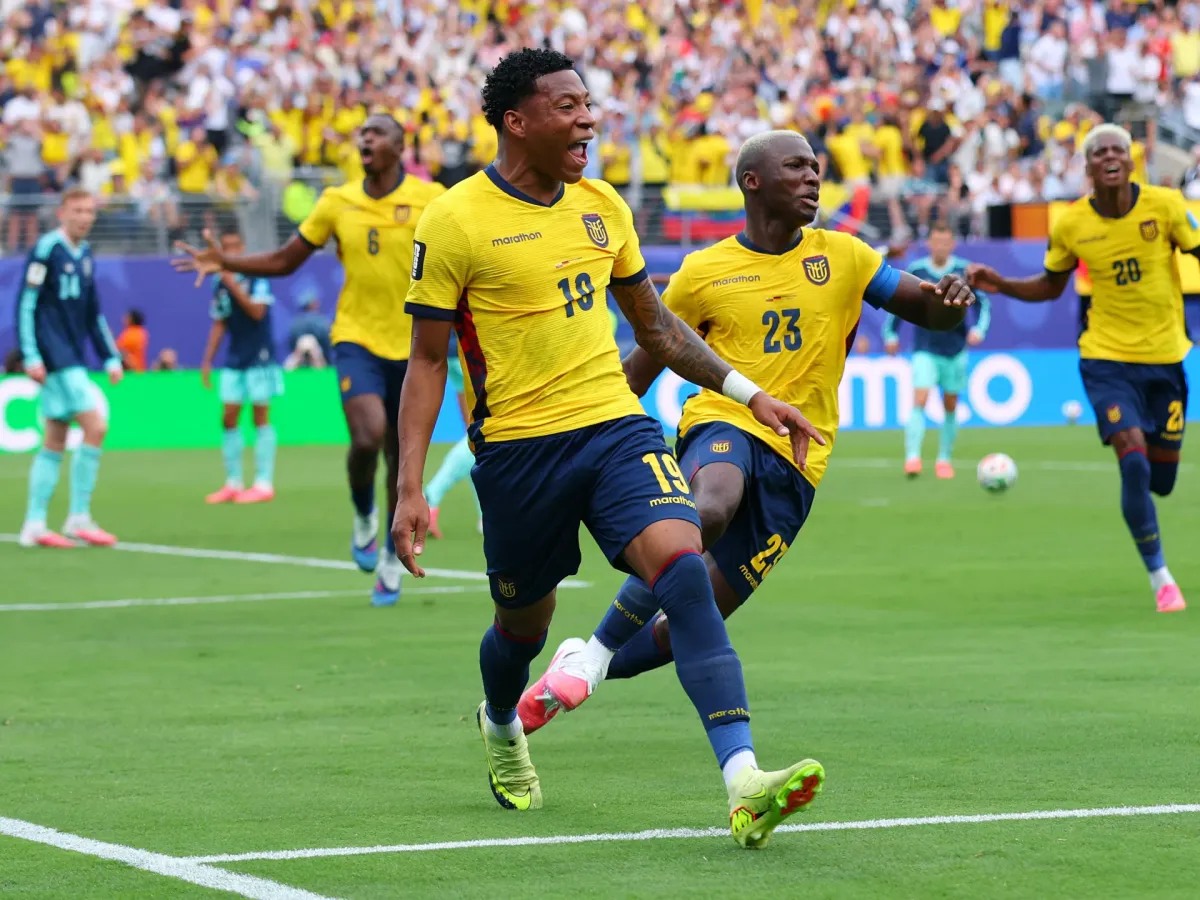
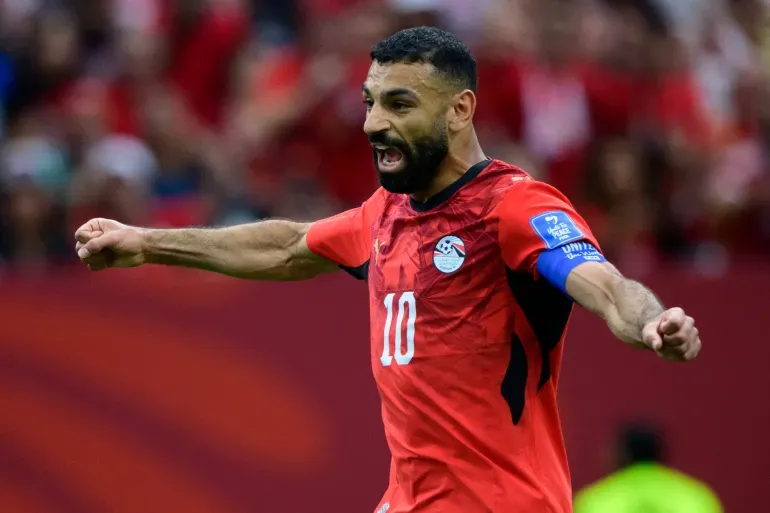 Mohamed Salah scored during the second half against New Zealand in the 2026 FIFA World Cup in Vancouver on June 21, 2026, as Egypt registered its first-ever win at the tournament [Anne-Marie Sorvin /Reuters]
The Message Behind the Ads
These advertisements aren't mocking the team. Instead, they poke fun at the deep-seated expectation that Egypt won't go far. This expectation, some argue, extends beyond football. Years of economic hardship and political uncertainty have made expecting the worst a common mindset for many Egyptians. They protect themselves from disappointment by assuming things won't work out.
This perspective has made the campaigns somewhat divisive. Some viewers found the humor honest, reflecting a habit fans recognize in themselves. It raised questions about why low expectations have become so normal. Others argued the ads risked making those low expectations seem permanent or even acceptable.
Regardless, the 2026 World Cup has reignited faith among Egyptian fans as they await the Iran match. An advertising campaign that challenges doubters now reflects the broader hopes, doubts, and discussions surrounding The Pharaohs.