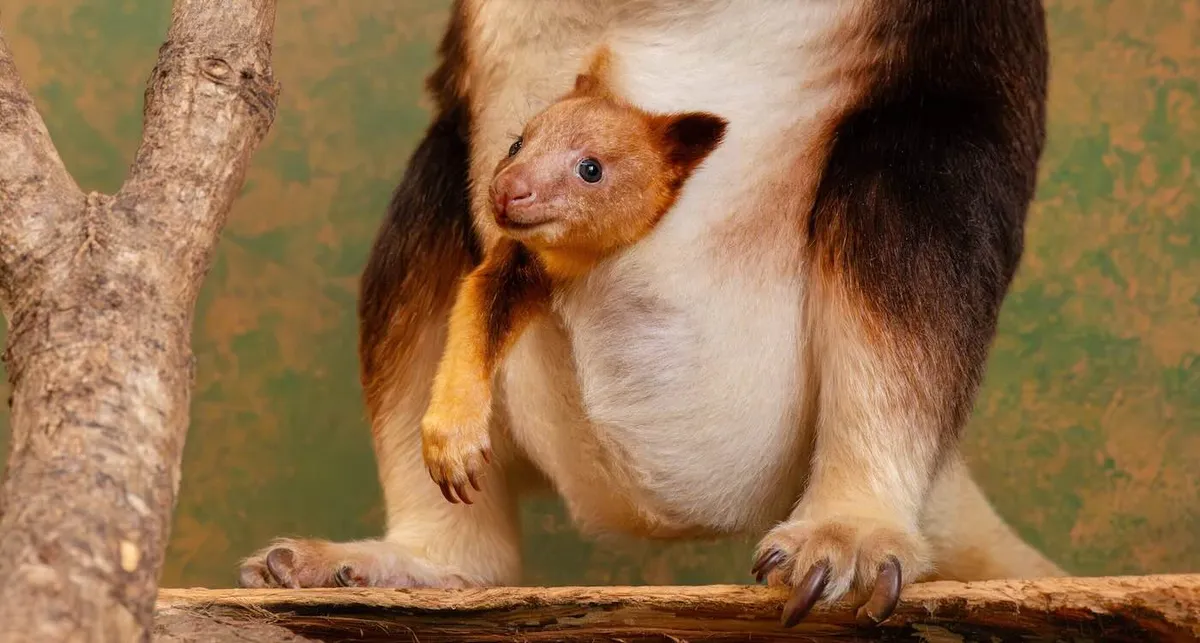
A jellybean-sized joey born at Chester Zoo in the UK has given scientists their first detailed look at how an endangered tree kangaroo develops in its mother's pouch. Using a miniature endoscopic camera, keepers monitored the newborn—now a healthy 4-pound male—from October through December, watching him grow from something smaller than a pea into a recognizable joey. It's a rare window into a species so little understood that most people don't even know tree kangaroos exist.
Goodfellow's tree kangaroo is native to the forests of Papua New Guinea, where it spends most of its life in the treetops. Unlike their ground-dwelling cousins, these marsupials are mostly solitary, sleeping up to 16 hours a day—often head-down, a position that lets rain run off their fur. The newborns weigh just 2–3 grams at birth and must somehow make their way from the mother's belly into her pouch, where they stay for around seven months before exploring the outside world.
The joey's arrival at Chester Zoo marks a significant moment for conservation. His parents, Kitawa and Kayjo, were matched through an international breeding program designed to keep the species alive. Only about 20–25 zoos worldwide are involved in breeding Goodfellow's tree kangaroos, usually maintaining just a single pair each to preserve genetic diversity. It's a fragile safety net for an animal facing real pressure in the wild.
We're a new kind of news feed.
Regular news is designed to drain you. We're a non-profit built to restore you. Every story we publish is scored for impact, progress, and hope.
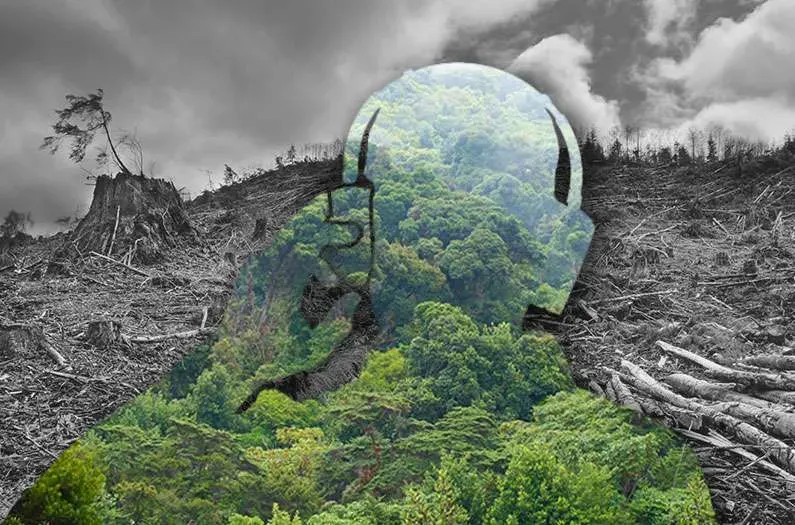
Start Your News DetoxForest loss and habitat degradation are the primary threats. The slow reproduction rate—one joey every couple of years—means populations can't bounce back quickly from decline. The pouch-cam footage helps researchers understand what healthy development looks like, crucial information for managing a species that remains largely mysterious.
"With so little known about tree kangaroos, this joey is a particularly special arrival," said Matthew Lloyd, the zoo's tree kangaroo expert. The naming of the joey will be influenced by communities in Papua New Guinea who live alongside these animals and are now part of forest protection efforts. It's a small gesture that connects the conservation work happening in a UK zoo to the people and forests where these kangaroos actually belong.
As climate change and deforestation accelerate across tropical regions, breeding programs like this one become more critical. The pouch-cam footage won't save the species on its own, but it represents something essential: the willingness to study, protect, and invest in animals most of the world has never heard of.