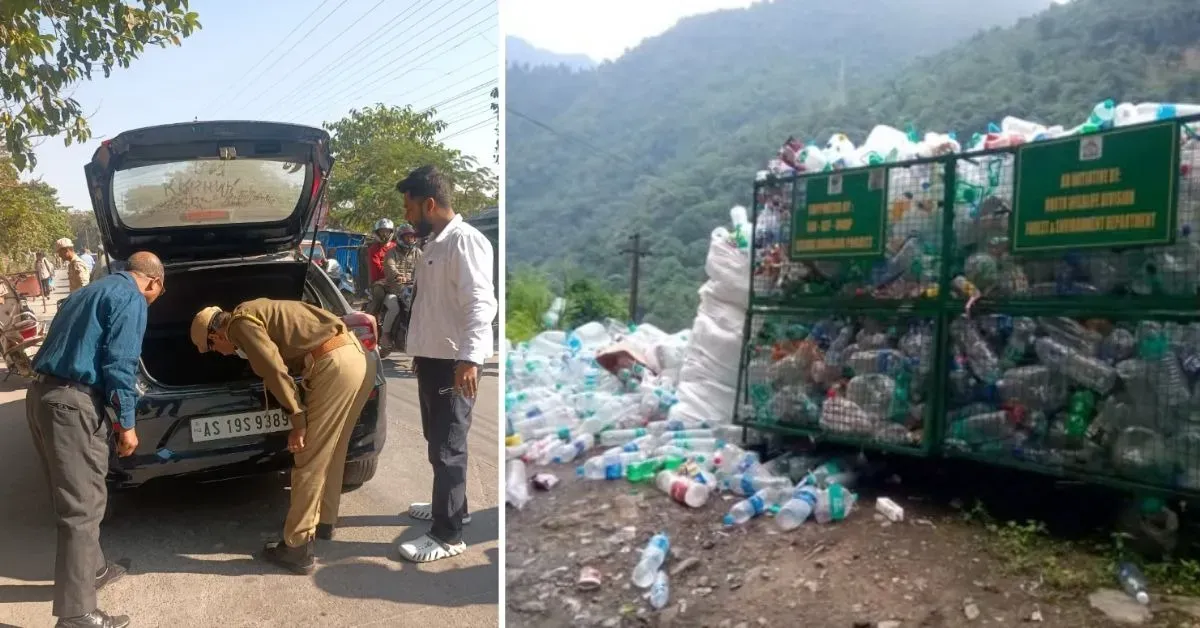
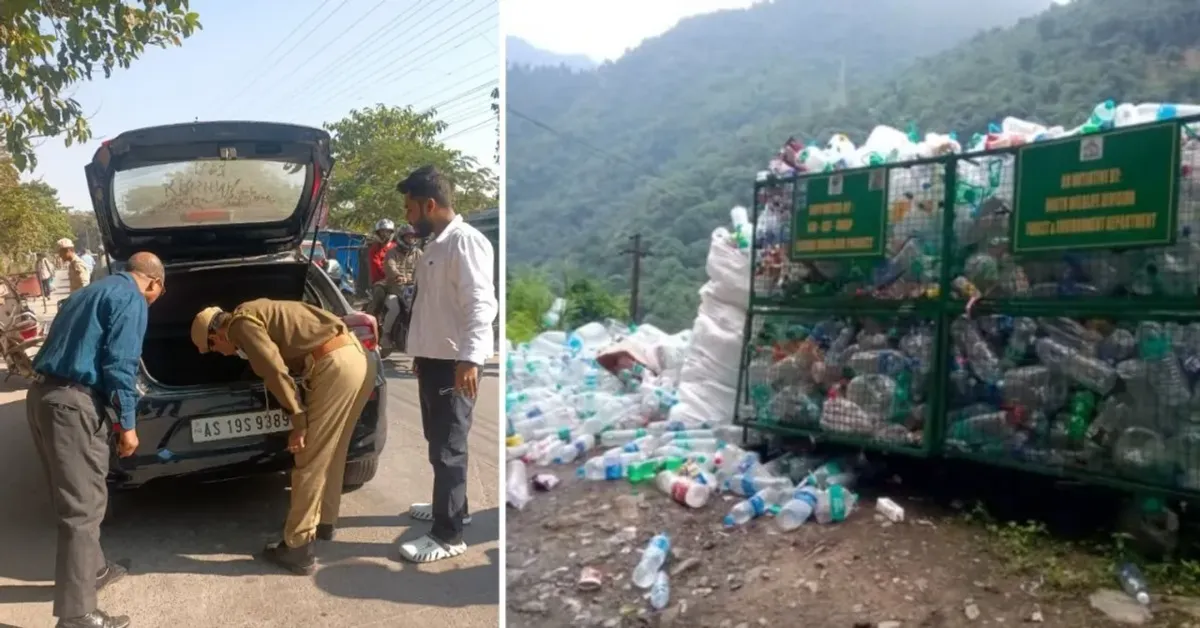
Imagine driving into a village and having your car searched — not for security, but to make sure you don't have a plastic bottle. That's exactly what happens in Lachen, a remote village high in the Indian Himalayas. If you're carrying plastic, you might not even get in.
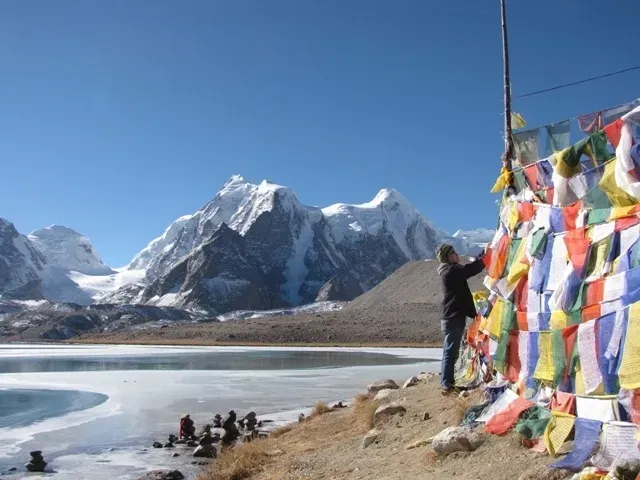
This strict rule is all about protecting Gurudongmar Lake, one of India's highest and most sacred bodies of water. Lachen is the gateway to this pristine glacial lake, and locals see it as their duty to keep its ecosystem spotless.
Here's why this matters: India tosses out about 3,800 tonnes of plastic bottles every single day. Much of that ends up choking rivers and lakes. Even remote, beautiful spots like Gurudongmar are at risk.
We're a new kind of news feed.
Regular news is designed to drain you. We're a non-profit built to restore you. Every story we publish is scored for impact, progress, and hope.
Start Your News DetoxTo fight back, Lachen declared itself completely plastic-free. The ban is serious, with random car checks stopping plastic bottles from ever entering the village. The local council, called the Dzumsa, rallied everyone — shopkeepers, hotel owners, and residents — to support the ban.
But they didn't just ban plastic; they offered a clever solution. Local shops now sell reusable bamboo bottles. Visitors can simply transfer their water into these bottles and continue their trip responsibly. It's a smart way to encourage sustainable tourism.
This small village is showing how a community can take on a huge problem. And it's not just Lachen. The entire state of Sikkim has set an example, becoming India’s first 100% organic state. Over 65,000 farmers there stopped using chemical fertilizers.
Plastic pollution and chemical use are big issues worldwide. But Lachen and Sikkim prove that you can balance human activity with protecting the planet. It's a pretty powerful idea, coming from such a small place.