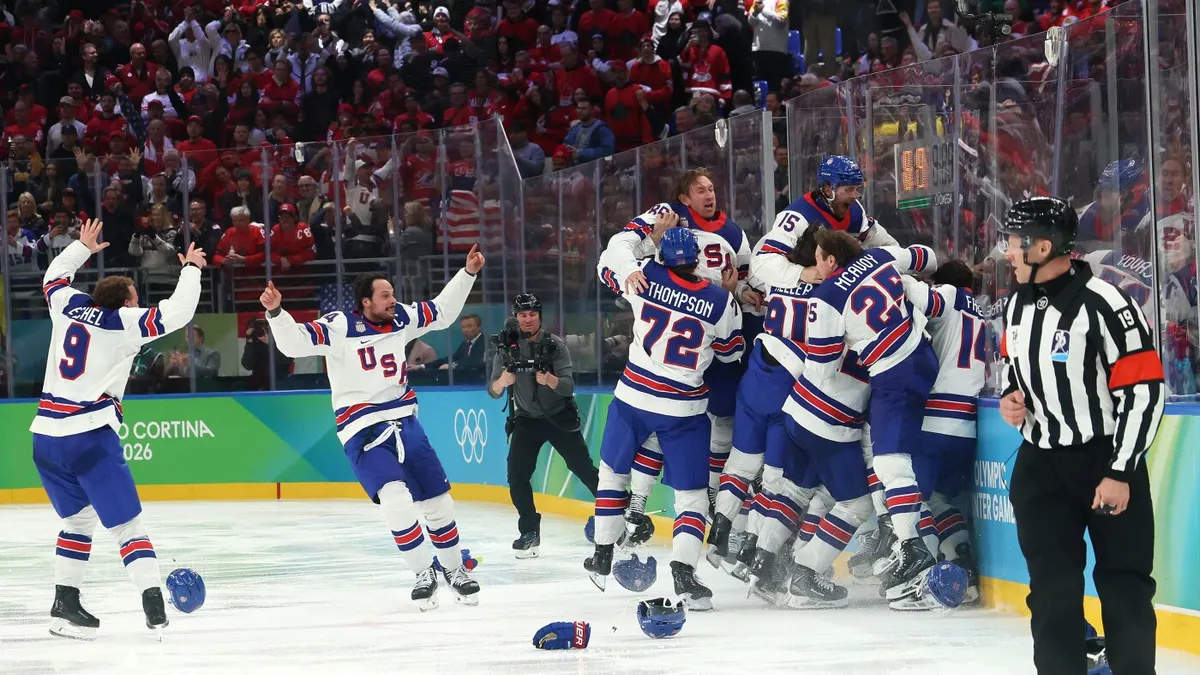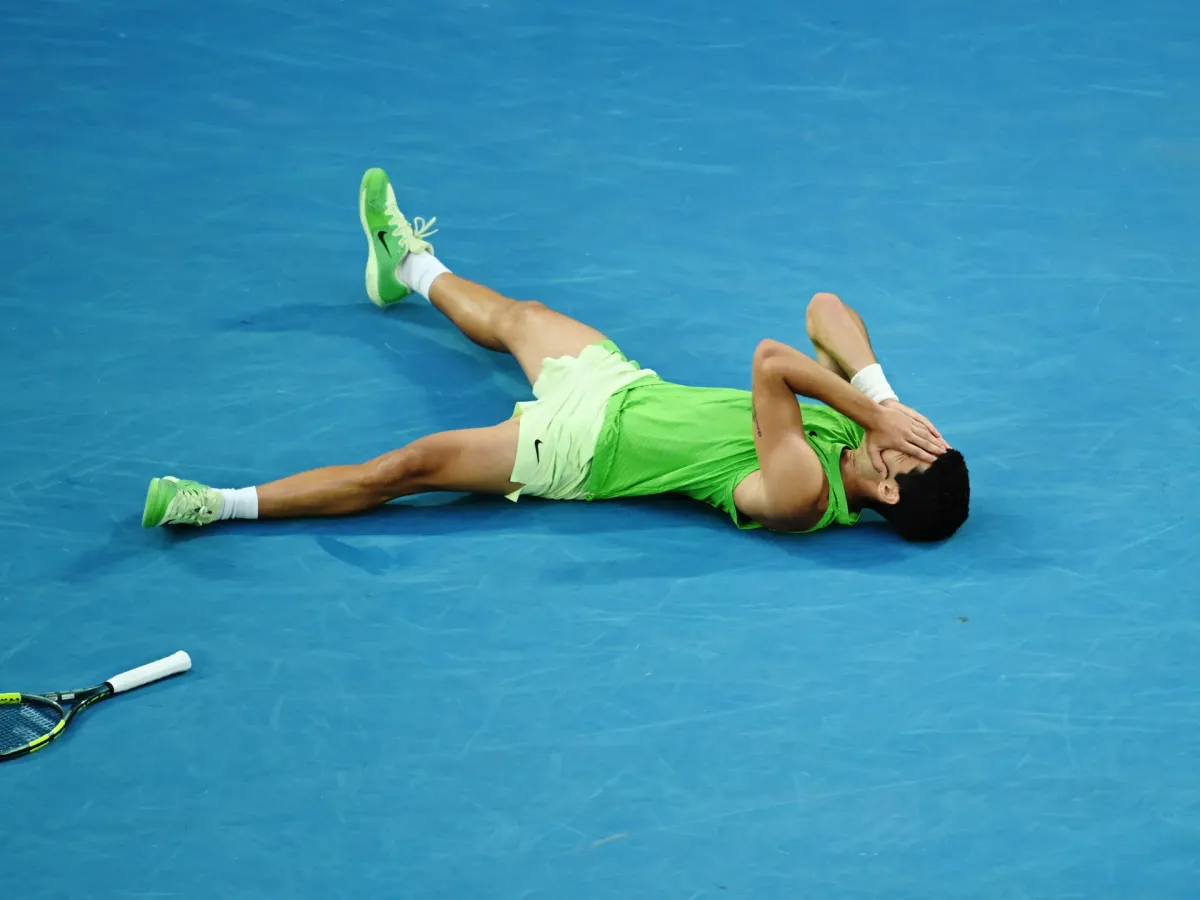
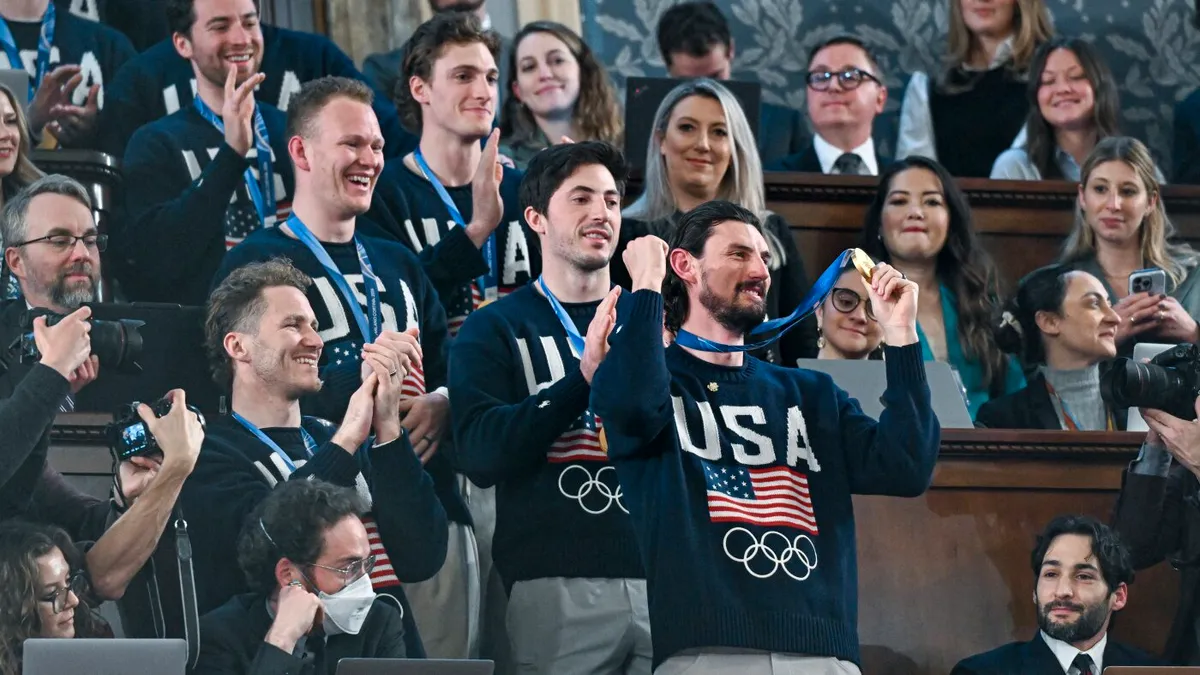
The U.S. men's hockey team won their first Olympic gold medal in 44 years on Sunday, beating Canada in overtime. By Tuesday night, they were standing in the House balcony during the State of the Union, gold medals visible, while the chamber chanted "U.S.A."
It was a straightforward moment of national achievement—the kind that tends to unite people across party lines. Except it didn't quite work out that way.
The Victory and the Complications
The team's win in Milan was genuinely thrilling. Goaltender Connor Hellebuyck made 41 saves. The victory ended a 44-year drought since the "Miracle on Ice" in 1980, when an underdog American squad became a symbol of Cold War resilience. President Trump invited the team to the address via phone call Sunday, offering military transport. During that call, he joked about needing to invite the women's team too, saying he'd "probably be impeached" if he didn't.
We're a new kind of news feed.
Regular news is designed to drain you. We're a non-profit built to restore you. Every story we publish is scored for impact, progress, and hope.
Start Your News DetoxTrump announced he would award Hellebuyck the Presidential Medal of Freedom, the nation's highest civilian honor. The team received roughly two minutes of standing applause.
But the narrative fractured almost immediately. The women's team declined the invitation, citing "timing and previously scheduled academic and professional commitments." Trump said during his speech that they'd visit the White House soon—a claim the team hasn't confirmed. The mixed message left the evening feeling less like a unified celebration and more like a point of contention.
Then there was the matter of FBI Director Kash Patel. Videos from the men's team's locker room celebrations in Milan showed him drinking and celebrating with the players. An FBI spokesman said Patel's trip was primarily for professional purposes—meeting with regional partners and security teams—and that the government would be reimbursed for personal expenses. Patel himself defended the appearance on social media, writing that he was "extremely humbled" when the team invited him to celebrate.
Democrats criticized the videos as wasteful use of taxpayer dollars. The optics were complicated by Patel's history: before joining the FBI, he'd publicly criticized his predecessor for using the FBI plane for personal travel.
What Actually Happened
A hockey team won an Olympic gold medal. That's real and worth acknowledging. The men played well under pressure and delivered a result their country hadn't seen in nearly half a century. That's the kind of thing that usually transcends the noise.
But the celebration got tangled up in questions about who was invited, who wasn't, and what government officials were doing in Milan. The women's team's absence became a story. The FBI director's presence became a story. What could have been a straightforward evening of athletic achievement became something more fractured.
It's a reminder that even moments of genuine national pride can get complicated by the context they land in—and by how different people choose to frame them.