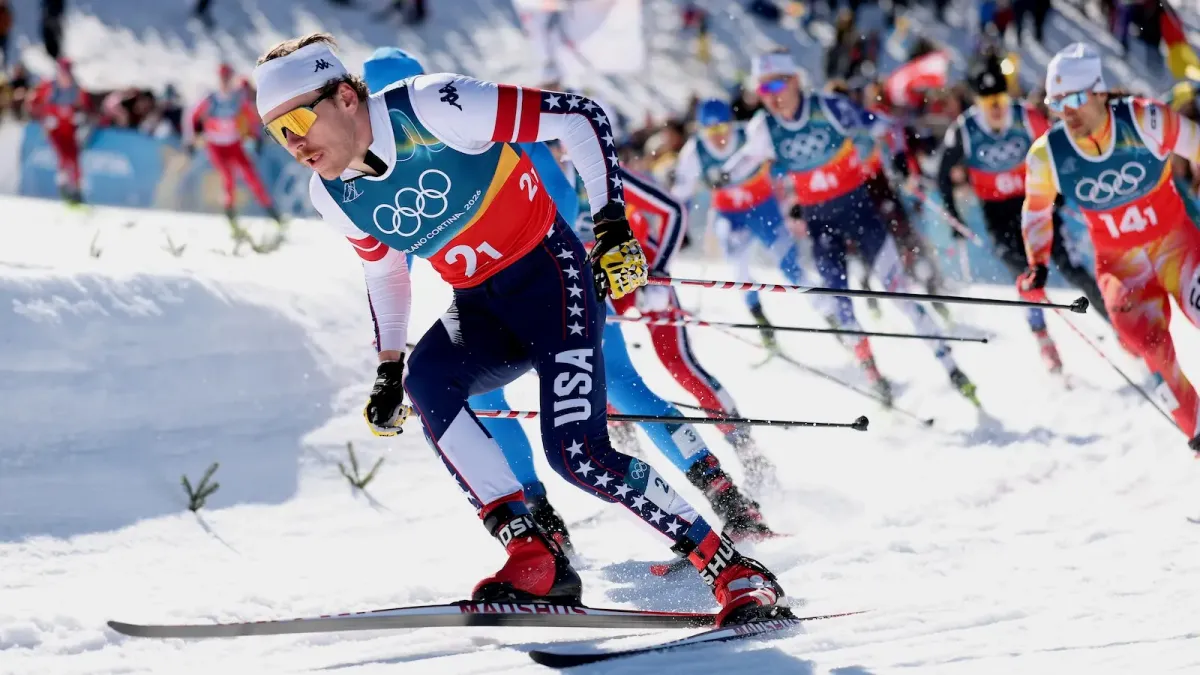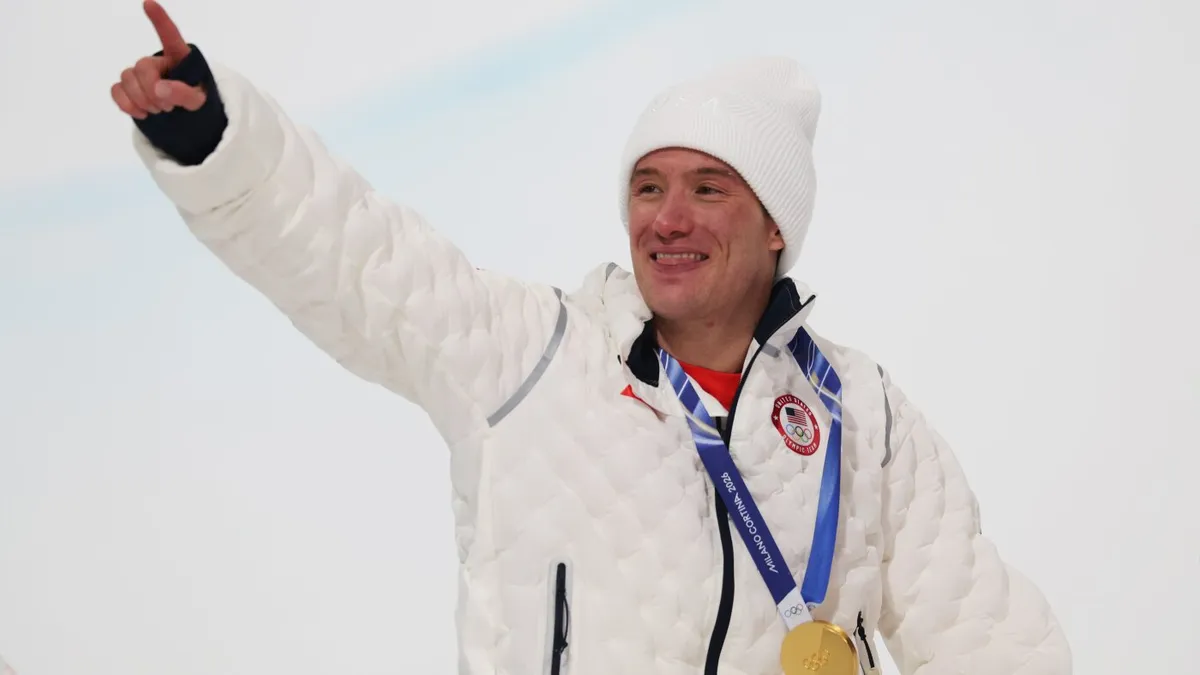

The U.S. Winter Olympics team just posted its strongest performance in history, bringing home 12 gold medals and 33 total medals from Italy. That puts the country second only to Norway in the winter sports standings—a significant leap from four years ago, when the team won nine gold and 25 overall.
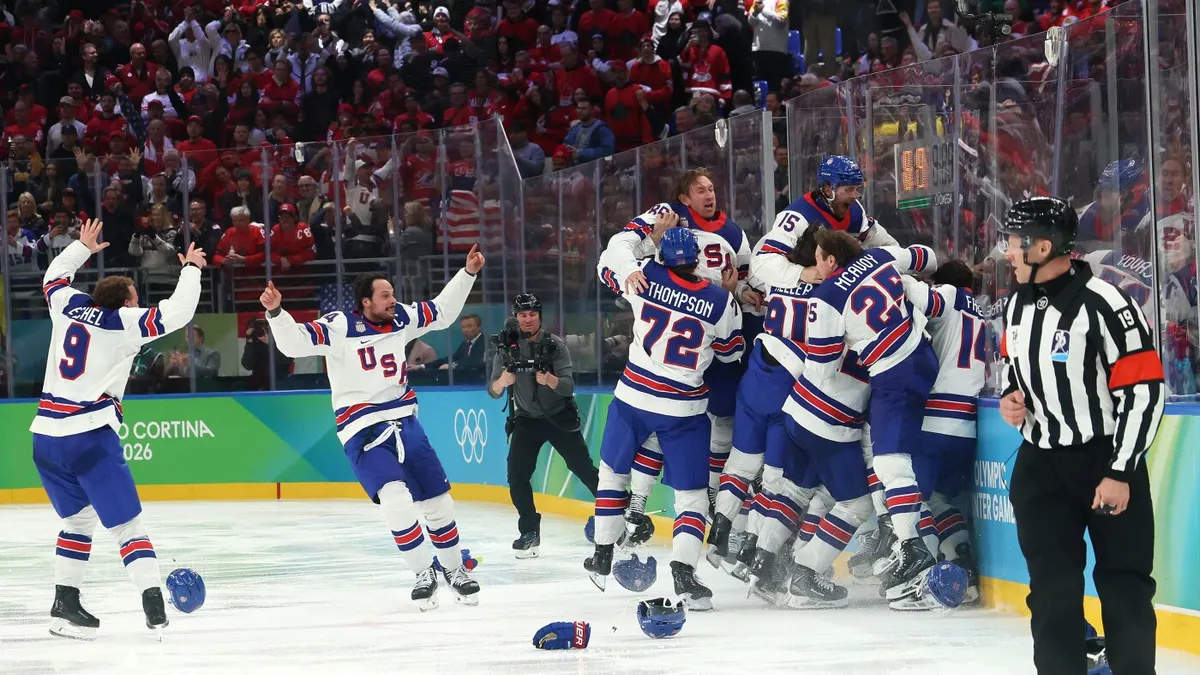
What makes this worth paying attention to isn't just the number. It's that the medals came from eleven different sports, spread across athletes who had to overcome real setbacks to get there. Speed skater Jordan Stolz from Wisconsin won two gold and a silver. Alpine skier Mikaela Shiffrin delivered when it mattered most. The men's hockey team claimed gold for the first time since 1980—a moment that carries weight in American sports culture.

Elena Meyers Taylor, who won gold in monobob bobsled, captured what this achievement meant to the athletes involved. "I don't think I'm going to process this for a while," she said. "There were so many moments during this entire season, during this past four years, that we just thought it was impossible." That's not hyperbole—winter sports in America are geographically concentrated and resource-intensive. The U.S. sent 232 athletes to Italy, but 18 states sent none at all. Even states with long winters, like Nebraska and South Dakota, had no competitors.
We're a new kind of news feed.
Regular news is designed to drain you. We're a non-profit built to restore you. Every story we publish is scored for impact, progress, and hope.
Start Your News DetoxWhere the medals came from
Instead, excellence clustered in a handful of places. Colorado alone accounted for five medals, three of them gold. Wyoming and Vermont, despite tiny populations, combined for seven medals. Alaska, Minnesota, Wisconsin, and Utah emerged as elite centers for winter sports development.

Alpine skier Breezy Johnson from Wyoming, who won gold in women's downhill, spoke to what it takes to reach that level. "It's been a tough road, but sometimes you just have to keep going because that's the only option," she said. "And sometimes when you keep going, maybe you'll make it back to the top."
Olympic historian Bill Mallon noted that the Winter Games itself has expanded significantly since the U.S. last set a gold medal record in 2002. That year, 78 events were contested. In 2026, there were 116 events—more opportunities for medals. But even accounting for that growth, the 12-gold performance represents a genuine step forward.
What distinguishes this result is the breadth. Norway won more medals overall, but 25 of its 41 came from just two sports: cross-country skiing and biathlon. The U.S. spread its success across eleven disciplines—from bobsled to figure skating to hockey to speed skating. That diversity suggests the infrastructure and talent pipeline for winter sports in America is deeper than it's been, even if it remains concentrated in a few regions. The question now is whether this performance marks a new baseline or a peak.