Imagine a world where a paralyzed bladder could simply empty itself again, or intestines, ravaged by Crohn's, could move food along without a fuss. Now, imagine those organs could also tell your brain, "Hey, I'm hungry!" or "I feel that." This isn't a sci-fi dream sequence; it's the future MIT scientists are building.
They've cooked up something called a "myoneural actuator" (MNA), which basically takes living muscles and turns them into computer-controlled motors. The kind you can implant inside the body to get static organs moving again.
The Body's New Command Center
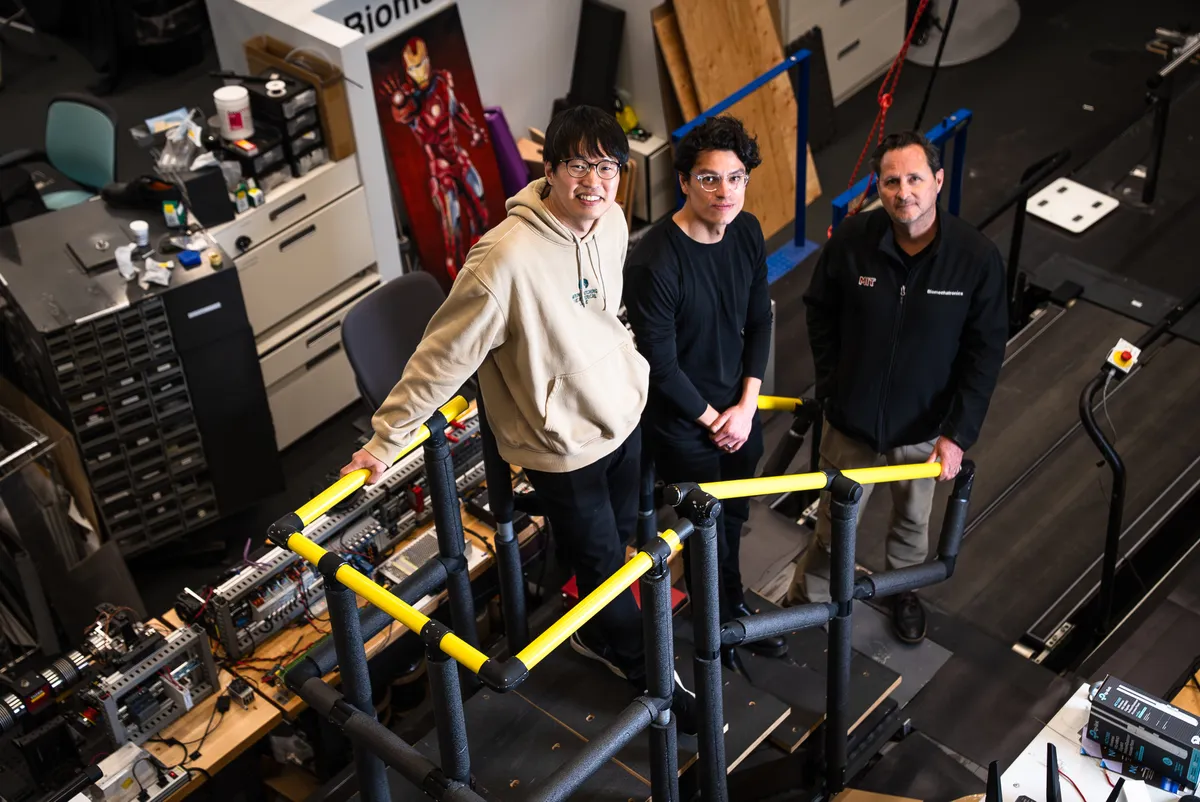
Hugh Herr, a senior author on the study, explained that they've built an interface that uses the body's own nerve pathways to control organs and even send sensory feedback back to the brain. It's like giving your internal organs a digital upgrade, minus the clunky wires.
We're a new kind of news feed.
Regular news is designed to drain you. We're a non-profit built to restore you. Every story we publish is scored for impact, progress, and hope.
Start Your News DetoxNow, trying to get paralyzed organs to function again is a problem scientists have been wrestling with for ages. Mechanical actuators are inefficient, and lab-grown muscle tissue is still very much in the "we'll get there eventually" phase. Herr's team decided to go for a different angle: re-engineering existing muscles to become a motor.
The real genius (and slight Frankenstein-esque twist) comes in how they did it. They needed to connect with the nervous system without the brain constantly trying to take over. You don't want your conscious mind having to remember to, say, digest dinner. So, they rerouted motor signals through sensory fibers. Suddenly, a computer, not your brain, became the muscle's new boss.
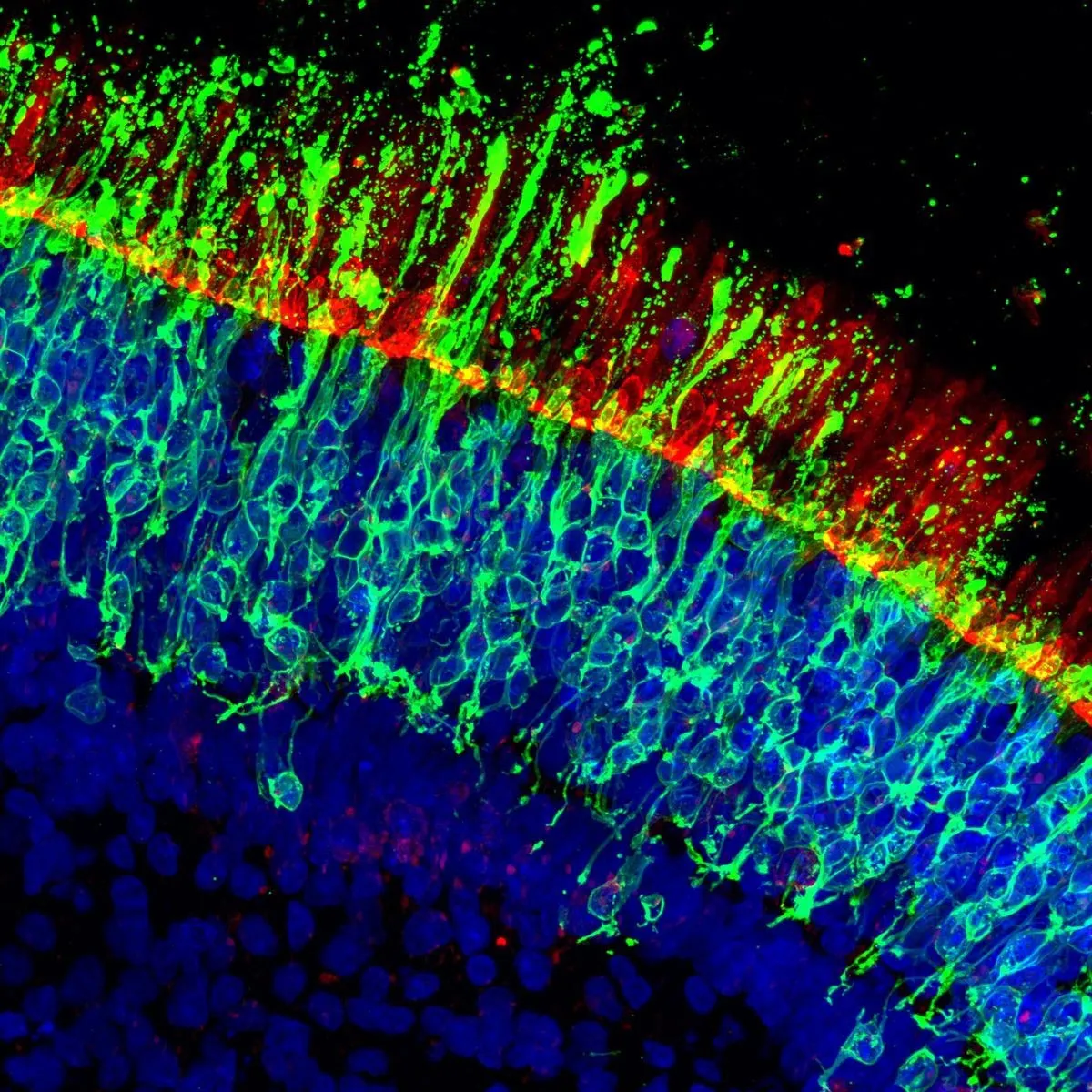
When they replaced motor nerves in rodent muscle with sensory ones, something wild happened: the sensory nerves connected and formed working muscle connections. Not only did this allow for precise digital control, but it also made the muscles incredibly fatigue-resistant — 260% more so than natural muscles. Apparently, having all your nerve fibers be the same size helps spread the workload evenly, preventing that familiar muscle burn.
A Biohybrid Future
The researchers then put these super-muscles to the test. They wrapped an MNA around a paralyzed rodent intestine, and voilà, the organ started squeezing again. They even mimicked human leg amputations, controlling calf muscles with the same tech.
Crucially, the MNA system also sent sensory signals back to the brain. This means a paralyzed stomach could, in theory, actually tell you it's hungry. Which, if you think about it, is both impressive and slightly terrifying.
While this is still in the "larger animals and then humans" testing phase, the implications are huge. This system could offer a safer, more integrated way to revive organs than mechanical devices or transplants. And unlike pacemakers, which are distinctly foreign objects, a living muscle actuator would literally become part of the body itself.
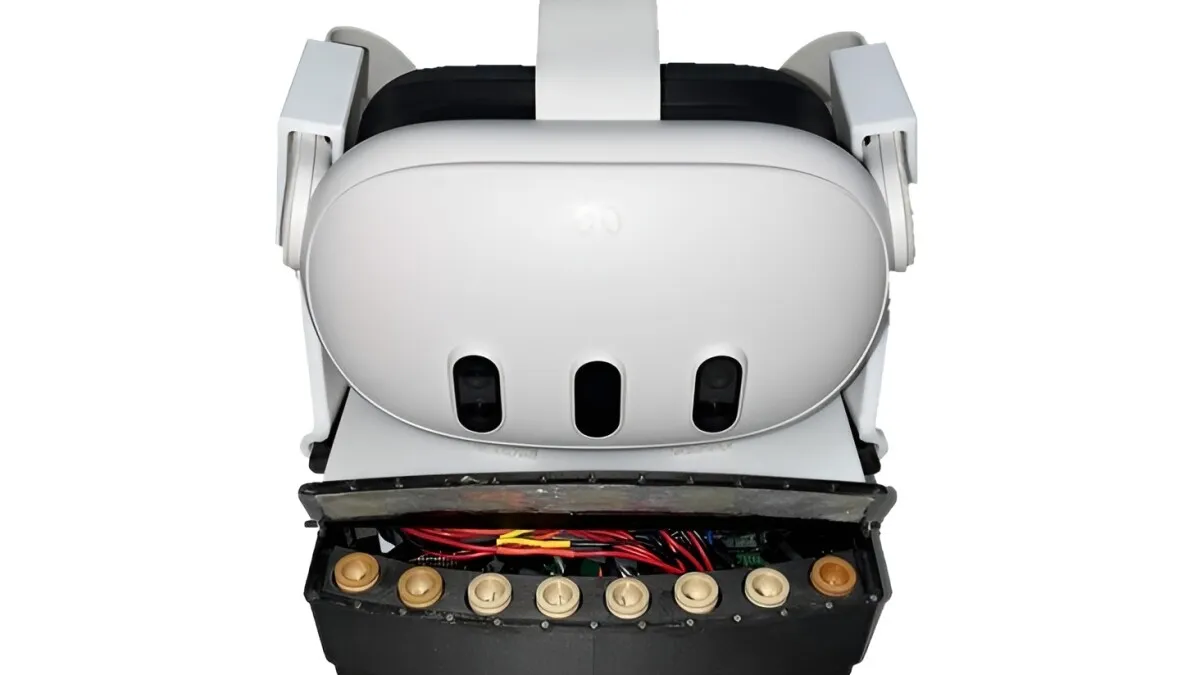
The team is even looking at skin, imagining MNAs wrapped around grafts to relay touch feedback for prosthetics. Or, get this, enhancing virtual reality systems so you could feel what your avatar is touching. Because apparently, that's where we are now. Giving new life to body parts, one computer-controlled muscle at a time.