Imagine the relief of finally putting a name to a profound, life-altering condition affecting your child. For parents of children with severe, early-onset epilepsy, that moment just arrived, thanks to some serious scientific sleuthing in Manchester.
Researchers have identified a brand-new neurodevelopmental disorder, now believed to be one of the most common genetic culprits behind childhood epilepsy. Its rather mouthful of a name? Recessive RNU2-2-related neurodevelopmental disorder. Catchy, right?
This condition hits hard and fast, causing seizures and severe developmental delays—think speech, walking, all the big milestones—in children under one year old. Which, if you think about it, is both heartbreaking and a massive challenge for families.
We're a new kind of news feed.
Regular news is designed to drain you. We're a non-profit built to restore you. Every story we publish is scored for impact, progress, and hope.
Start Your News DetoxThe Gene Hunt Is Over (For Now)
Scientists at the NIHR Manchester Biomedical Research Centre estimate millions of people worldwide are unknowingly carrying the faulty gene. That's a lot of potential silent carriers. Parents are already calling this discovery "incredibly meaningful," hoping it paves the way for better treatments and, crucially, better understanding.
The deep dive into the human genome involved researchers from Manchester University NHS Foundation Trust and the University of Manchester. They sifted through thousands of RNU genes, using data from Genomics England's National Genomic Research Library, which itself sprang from the ambitious 100,000 Genomes Project. That’s a lot of data, and a lot of very patient scientists.
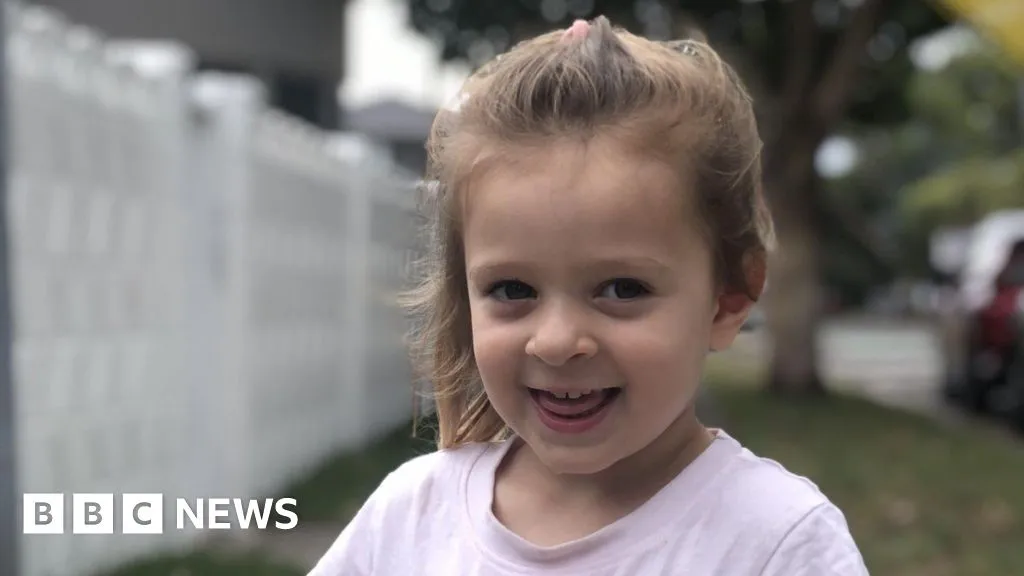
So far, 84 individuals have been officially identified with the condition, including five-year-old Ava Begley, all the way in Sydney, Australia. But the actual numbers? Study lead Adam Jackson, an academic clinical fellow, estimates about one in 100 people might be carrying this gene and one in 40,000 could have the disorder. Let that satisfying number sink in. It puts this condition squarely in the "surprisingly common" category for neurodevelopmental disorders.
Children with this disorder don't just have severe epilepsy, with seizures that can cause them to lose consciousness. They also face significant delays in reaching key milestones and profound learning problems. It's a tough hand to be dealt.
Ava's Story: A Name, A Place, A Hope
Take Ava Begley. Non-verbal, profound learning disabilities, and severe epilepsy. Before medication helped, she was having anywhere from 100 to 200 seizures a day. She can only walk short distances, and falls are a constant companion.
For Ava's parents, Daniel Begley and Elizabeth Dowd, the diagnosis is a mixed bag of relief and sadness. Relief at finally having an answer, sadness at the stark reality of the condition. But as they put it, it "gives Ava a name and a place in the medical world." Which, when you're navigating such a complex journey, is a pretty big deal. It brings them a step closer to finding a cure or, at the very least, better support. Because everyone deserves a name, and a fighting chance.