Disney didn't invent the sidekick, but they perfected it. Nearly every major Disney film has at least one animal who shows up at exactly the moment the hero needs them most — not just to help, but to remind them (and us) why they're fighting in the first place.
These aren't background characters. Mushu didn't just accompany Mulan to war; he was the voice in her head telling her she could do this. Abu wasn't just Aladdin's pet monkey; he was the one who actually got the lamp away from Jafar when it mattered. Sven spent an entire movie trying to convince Kristoff to stop running from his feelings. These animals carry emotional weight.
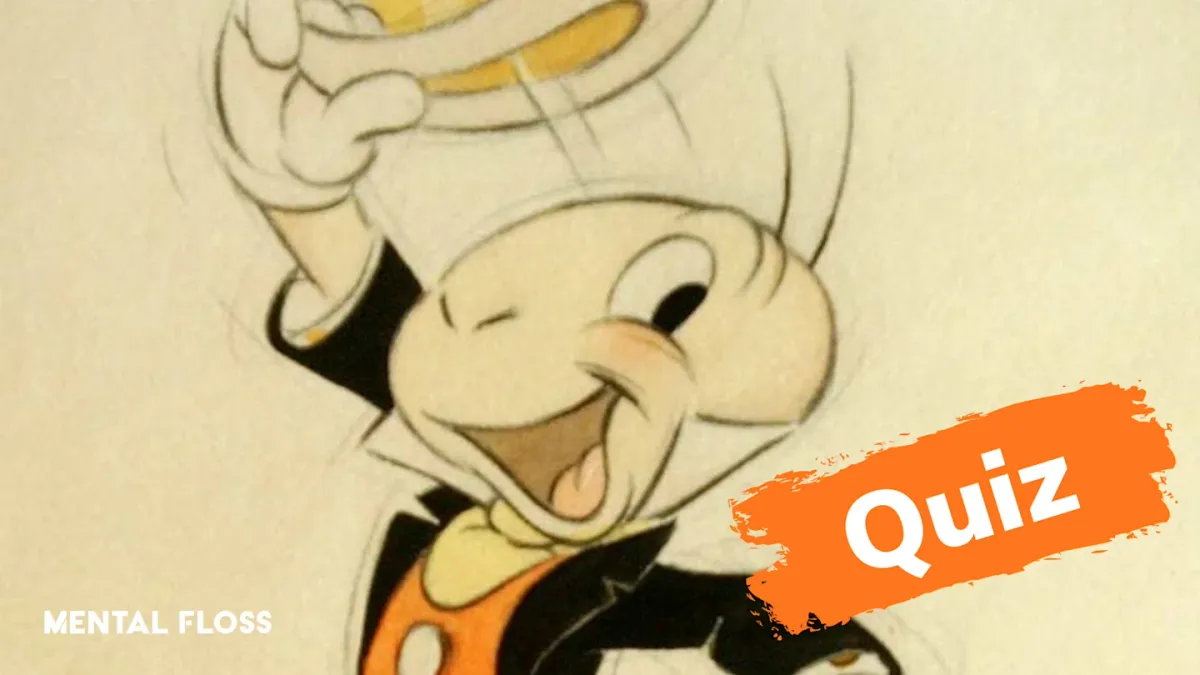
What makes Disney's sidekicks work is that they're not one thing. Some talk (Jiminy Cricket won't shut up about being a conscience). Some stay silent but communicate volumes — Pascal the chameleon changes color to match Rapunzel's mood, no words needed. Some are comic relief that lands because the timing is perfect. Others are the moral compass the hero actually listens to, unlike the adults around them.
We're a new kind of news feed.
Regular news is designed to drain you. We're a non-profit built to restore you. Every story we publish is scored for impact, progress, and hope.
Start Your News DetoxTake Sebastian from The Little Mermaid. He starts the film actively disapproving of Ariel, reluctant and frustrated. But somewhere between chasing her onto land and realizing she's been captured by Ursula, he stops being an obligation and becomes genuinely protective. By the end, he's the one arguing to King Triton that his daughter deserves to choose her own life. That's character development that happens through action, not dialogue.
Or consider Timothy Q. Mouse with Dumbo — a tiny mouse who becomes a protector for a young elephant terrified of his own size. Timothy doesn't just befriend Dumbo; he builds him up, plants ideas, gives him a reason to believe in himself. He becomes the manager, the believer, the one who sees potential when Dumbo only sees shame.
Some of these sidekicks carry their own story arcs. Ray the firefly falls in love with a star, and the film lets that romance matter. Valentino the goat in Wish speaks in a voice so absurdly deep it clashes with his baby-goat appearance — and the joke works because the character is real beneath it. Meeko the raccoon becomes an intermediary between Pocahontas and John Smith, a bridge that changes the entire trajectory of the story.
Then there are the reluctant ones. Iago starts as Jafar's henchman, making snarky comments while actively working against the heroes. But in later Aladdin stories, he realizes his boss never actually cared about him, and he switches sides. Archimedes the owl grumbles his way through helping Merlin and Wart, but he stays — choosing to transition from Merlin's familiar to Wart's companion when it matters most.
What's striking is how often these animals are more emotionally available than the human characters around them. Nana the St. Bernard is the most responsible figure in the Darling household, yet she's blamed for the children's chaos and locked away. Pua was originally meant to be a major character in Moana, but was reduced because the filmmakers wanted her to feel more isolated — a choice that says something about how we sometimes sideline connection for narrative impact.
Disney's formula works because these sidekicks aren't there to make the hero look good. They're there because heroes need witnesses. They need someone — anyone — who believes in them when they don't believe in themselves. That's the real magic.