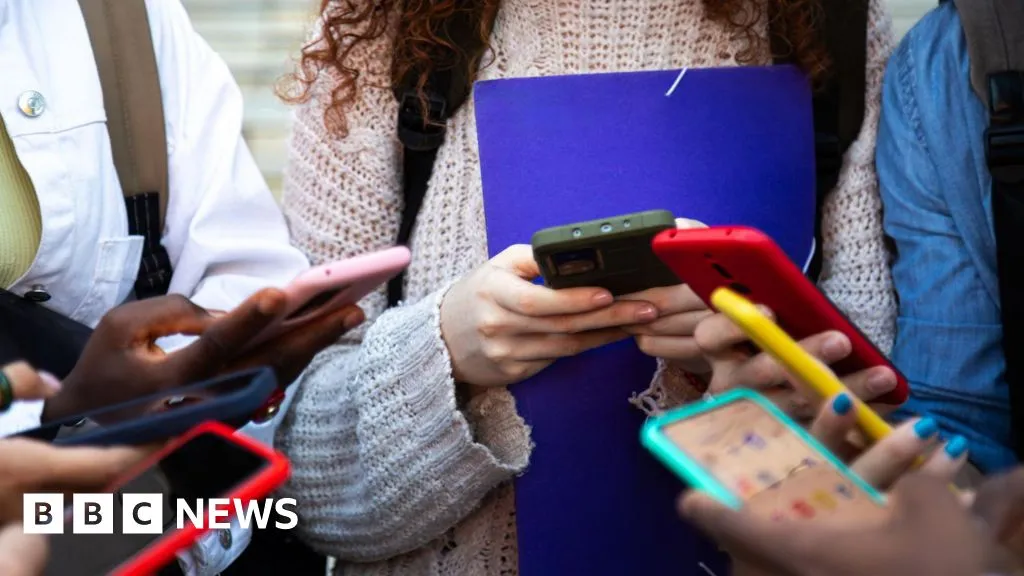
The Liberal Democrats have proposed something that sounds simple but carries real weight: treat social media apps like films. Apps with addictive algorithmic feeds or inappropriate content would get a 16+ rating. Those hosting graphic violence or pornography would be 18+. Ofcom would enforce it, issuing fines to non-compliant platforms.
It's a proposal caught between two competing instincts about how to protect young people online. On one side, the Conservatives argue for a blanket ban on under-16s using social media entirely — treating the internet, as Tory leader Kemi Badenoch puts it, like "a Wild West." On the other, the Lib Dems argue that a total ban is "a blunt instrument that doesn't work in a digital age" and suggests a lack of trust in parents to make decisions about their own children.
Where the tension sits
The real question underneath both proposals is whether restriction works at all. Apps like TikTok, Instagram and Facebook already have age gates set at 13. Snapchat makes teen accounts private by default. Yet millions of young people under those age limits use these platforms — either by lying about their age (which takes seconds) or with their parents' knowledge. A film-style rating system would face the same friction. The Lib Dems acknowledge this: platforms would need to "fundamentally rewrite their code" to comply, which means the rating itself becomes a pressure point rather than a hard barrier.
We're a new kind of news feed.
Regular news is designed to drain you. We're a non-profit built to restore you. Every story we publish is scored for impact, progress, and hope.
Start Your News DetoxChild safety organizations see potential in the approach. The NSPCC backs the film ratings model, arguing it protects children without "shutting them out from the online world" entirely. The Molly Rose Foundation — established after the death of 14-year-old Molly Russell, who took her own life after viewing harmful content on social media — has warned that a total ban could push harm "to unregulated areas" where young people might be even more vulnerable.
The evidence on social media's impact on adolescent mental health is genuinely mixed and contested. Some research links heavy use to increased anxiety and depression; other studies find the relationship more complex, varying by individual, by platform, and by how the technology is used. What's clearer is that young people themselves see social media as woven into their social lives — not optional, but essential infrastructure for friendships and belonging.
A film-style rating system sits in uncomfortable middle ground. It's stricter than the status quo but less absolute than a ban. It assumes that regulation can work faster than the platforms themselves can adapt, which is a generous assumption given how slowly tech companies move when not forced. It also assumes that age verification can be made reliable enough to matter — a technical and behavioral challenge that hasn't been solved elsewhere.
What's worth watching is whether this proposal shifts the conversation from "ban or don't ban" to "what does responsible design actually look like." That's the harder question, and the one that might matter more than the rating itself.