Your body knows when it's time to give birth partly through touch. Not emotional intuition—literal physical sensation. Researchers at Scripps Research have identified the molecular machinery that lets the uterus feel the mounting pressure and stretch of labor, then translate those signals into the coordinated contractions needed for safe delivery.
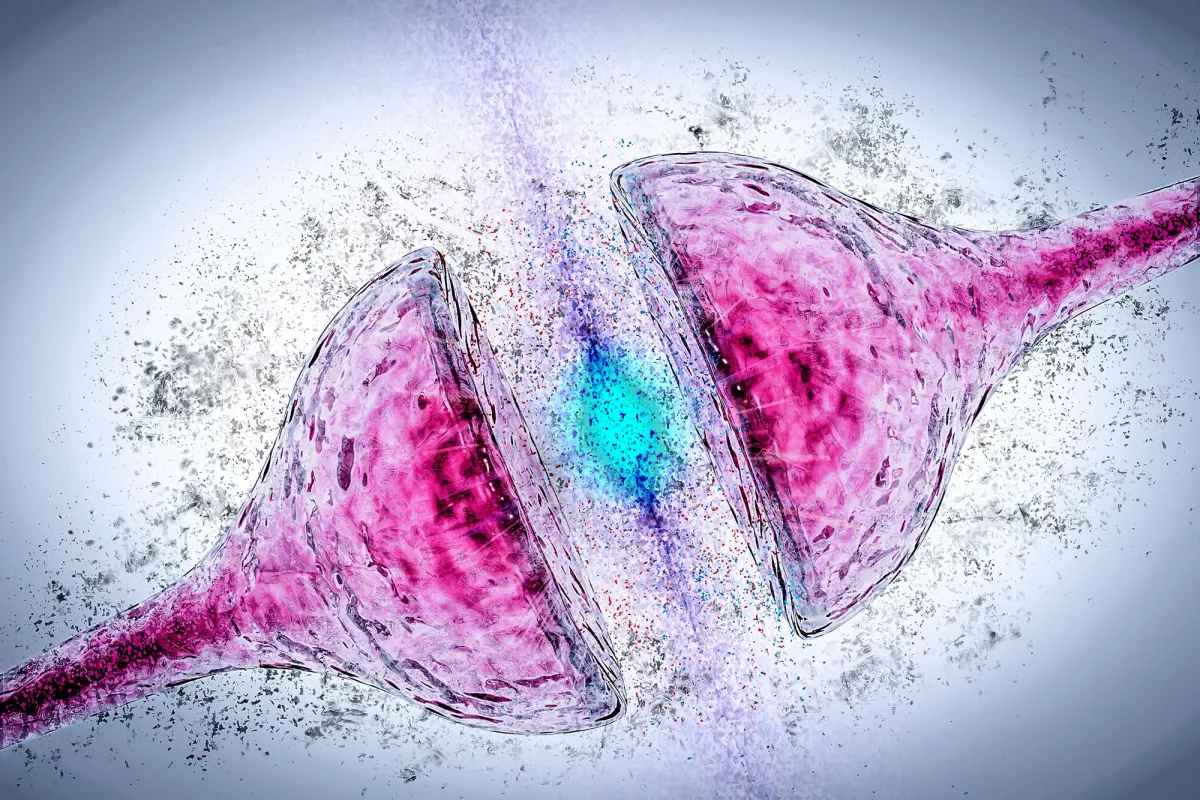
The discovery, published in Science, centers on two proteins called PIEZO1 and PIEZO2. As pregnancy progresses and the fetus grows, physical forces build inside the uterus. PIEZO1 detects rising pressure in the uterine muscle itself. PIEZO2 senses stretching in the cervix and vagina, then triggers a nerve reflex that strengthens contractions. Together, they're like a two-part alarm system that tells the uterus: now.
"As the fetus grows, the uterus expands dramatically, and those physical forces reach their peak during delivery," says Ardem Patapoutian, the senior researcher leading the work. "Our study shows that the body relies on special pressure sensors to interpret these cues and translate them into coordinated muscle activity."
We're a new kind of news feed.
Regular news is designed to drain you. We're a non-profit built to restore you. Every story we publish is scored for impact, progress, and hope.
Start Your News DetoxTo understand how this works, the team studied mice engineered to lack one or both PIEZO proteins. Animals missing both showed weaker contractions and delayed delivery—suggesting that muscle-based sensing and nerve-based sensing work together, not as backup systems but as partners.
The mechanism goes deeper still. When PIEZO channels activate, they control the production of connexin 43, a protein that forms connections between neighboring smooth muscle cells. Think of it as the wiring that lets thousands of muscle cells act as one synchronized unit. Without it, contractions fall apart.
"Connexin 43 is the wiring that allows all the muscle cells to act together," explains Yunxiao Zhang, the study's first author. "When that connection weakens, contractions lose strength."
Human uterine tissue showed the same PIEZO1 and PIEZO2 patterns as the mice, suggesting the same force-sensing system operates in people. This could explain why some pregnancies stall—weak or irregular contractions that prolong labor. It also explains something clinicians have long observed: epidurals, which block sensory nerves, can slow labor if given in high doses. When the nerve-based PIEZO2 pathway is dampened too much, contractions weaken.
Where this leads
The research opens a path toward more precise labor management. Drugs that modulate PIEZO activity could strengthen contractions in stalled labor or dampen them in preterm births, potentially replacing or refining existing treatments. The team is now investigating how these force sensors interact with hormones like progesterone, which keeps the uterus relaxed until the right moment.
"PIEZO channels and hormonal cues are two sides of the same system," Zhang notes. "Hormones set the stage, and force sensors help determine when and how strongly the uterus contracts."
For the millions of people who give birth each year, this understanding could mean safer pregnancies, fewer complications, and more options for pain relief that doesn't compromise labor itself.