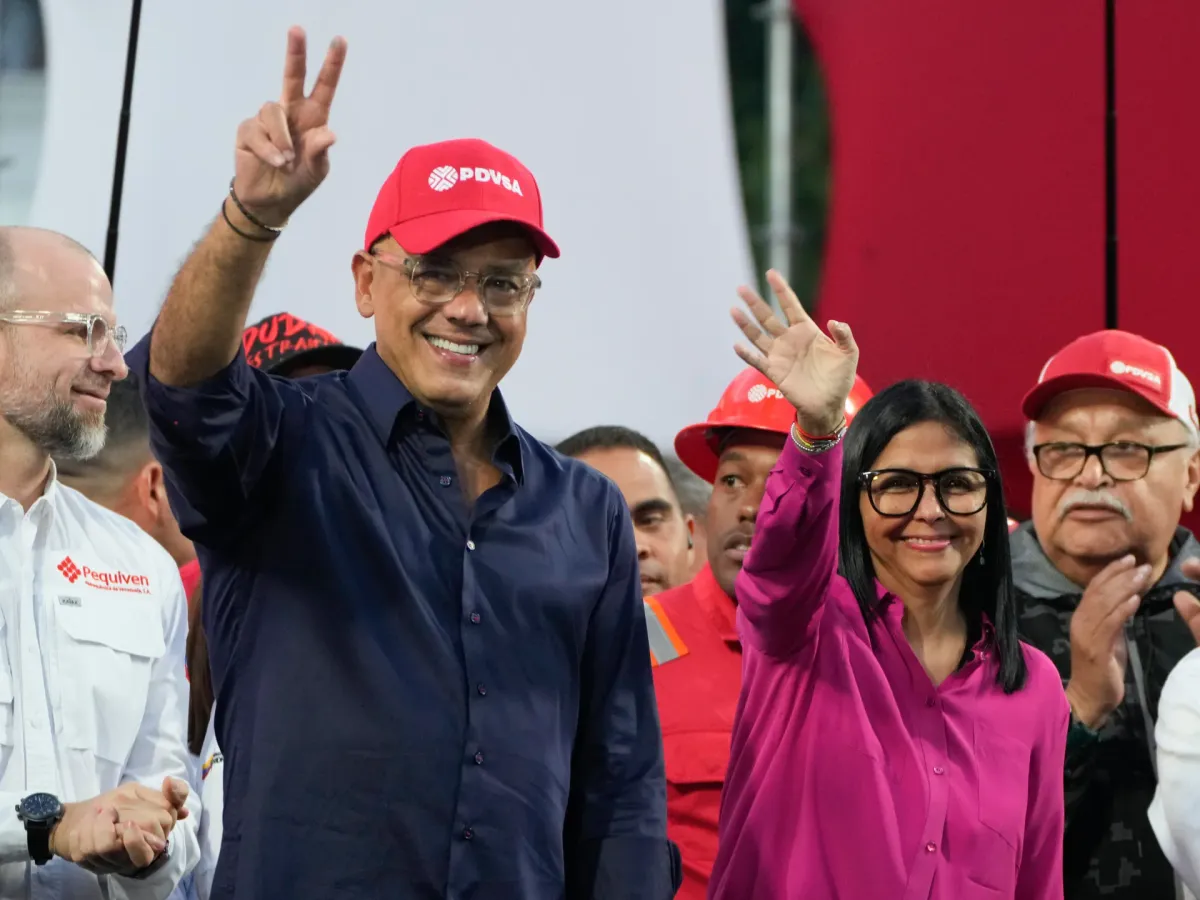
Venezuela's National Assembly leader Jorge Rodriguez announced this week that the government will free all political prisoners by February 13—a concrete commitment that marks a shift after years of arbitrary detention and allegations of torture under former President Nicolas Maduro's rule.
Rodriguez framed the release as part of a broader reckoning. Speaking to families of imprisoned activists, he set a tighter timeline: "Between next Tuesday and by Friday at the latest, they will all be free." He also pledged the government would "repair all the mistakes" made during the Chavismo movement's decades in power.
The announcement follows the National Assembly's unanimous approval of an amnesty bill designed to free those detained or convicted for political activities and protest. The law notably excludes crimes like murder, torture, and corruption—a boundary that signals the intent is narrower than a blanket pardon. The bill still requires a second vote before final passage.
We're a new kind of news feed.
Regular news is designed to drain you. We're a non-profit built to restore you. Every story we publish is scored for impact, progress, and hope.
Start Your News DetoxThis moment reflects real pressure. The U.S. authorized military operations to bring Maduro and his wife to trial on drug trafficking charges, and the political landscape has shifted enough that even government allies are acknowledging past wrongs. One of the regime's most notorious detention sites, El Helicoide—a pyramid-shaped prison in Caracas long associated with torture—is also slated for closure.
The skepticism is warranted
But there's a reason families and human rights groups aren't popping champagne yet. Venezuela's government has made promises before. Amnesty International has pointed out that "crimes against humanity do not end with Maduro's removal" and that the state machinery responsible for those abuses remains intact. The question isn't whether prisoners will be released—Rodriguez's deadline is specific enough to be measurable—but whether accountability will follow, and whether the institutional patterns that enabled detention and torture have actually changed.
What matters now is the follow-through. A February release would free people who've spent years in cells. Whether it's accompanied by genuine investigation into those who ordered the detention, torture, and killing is a different question—and one that will determine whether this moment becomes a turning point or a chapter-closing without justice.