Sildenafil, the active ingredient in Viagra, might help treat Leigh syndrome. This rare childhood brain disease currently has no approved treatments. Researchers from Charité – Universitätsmedizin Berlin and other institutions reported these findings in the journal Cell.
Leigh syndrome is a severe metabolic disorder. It starts in childhood and causes serious problems with the brain and muscles. For a long time, doctors thought it was untreatable. However, a small study with six patients showed that sildenafil seemed to slow down the disease or even improve some symptoms.
An Unexpected Discovery
Leigh syndrome is a genetic condition. It affects how cells produce energy, impacting both the brain and muscles. Symptoms often appear when children are babies or toddlers and get worse over time. Patients can experience seizures, muscle weakness, and paralysis. Their cognitive development can also be affected. People with Leigh syndrome usually have a much shorter life expectancy.
We're a new kind of news feed.
Regular news is designed to drain you. We're a non-profit built to restore you. Every story we publish is scored for impact, progress, and hope.
Start Your News DetoxScientists recently found an unexpected drug that showed promise: sildenafil. This medication is known for treating erectile dysfunction in adults. It also relaxes blood vessels, so it's used for pulmonary hypertension in infants.
In the study, six patients with Leigh syndrome, aged nine months to 38 years, received sildenafil continuously. Within a few months, their muscle strength improved significantly. Some also saw their neurological symptoms lessen or disappear. Patients also recovered faster from metabolic crises, which are episodes where energy metabolism fails and the disease quickly worsens.
Professor Markus Schuelke, a lead author from Charité’s Department of Pediatric Neurology, shared examples. "One child's walking distance increased tenfold, from 500 to 5,000 meters," he said. "Another child's almost monthly metabolic crises stopped completely, and a different patient no longer had epileptic seizures."
Schuelke noted that these improvements greatly enhance the patients' quality of life. He added that while a larger study is needed, finding a promising drug for this serious inherited disease is very encouraging.
How Researchers Found a Solution
Finding treatments for rare diseases like Leigh syndrome is hard because so few people have it. It affects about one in 36,000 children. Schuelke explained that low patient numbers make research difficult and create obstacles in the search for effective therapies. Large clinical trials are tough to do, often requiring collaboration across many medical centers worldwide. Also, researchers can't easily take brain or nerve tissue from patients to study the disease.
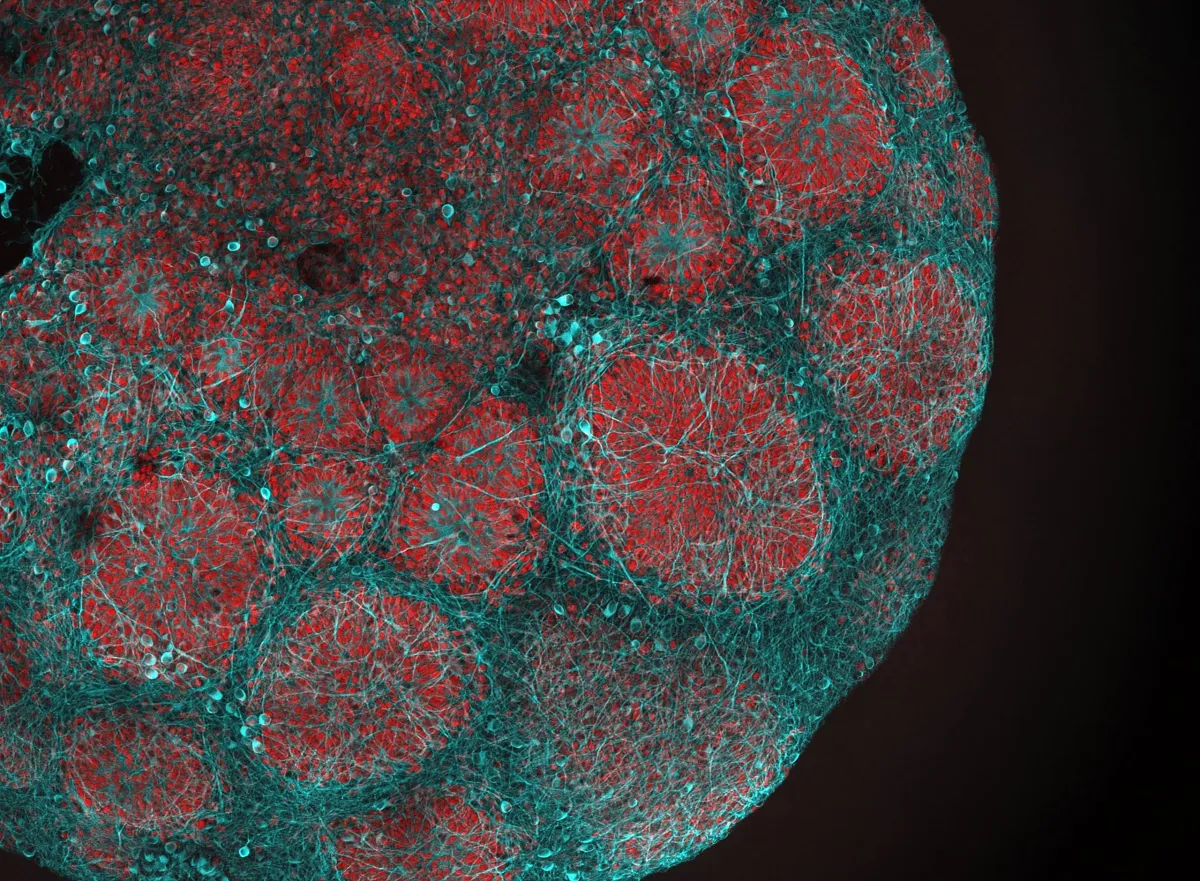
To find potential treatments, the team used a new lab method. They took skin cells from patients and turned them into induced pluripotent stem cells. These cells can become many different cell types. The scientists then used them to grow nerve cells that had the same metabolic problems as those in Leigh syndrome.
Next, the team tested over 5,500 compounds. These included drugs already approved for other conditions and substances with known safety data. Each compound was checked to see if it could improve the function of the lab-grown nerve cells.
Dr. Ole Pless, a lead author from ITMP, called this the largest drug screening for Leigh syndrome to date. He said that sildenafil, among other drugs, improved the electrical function of the nerve cells.
More tests confirmed these findings. In miniature brain models called organoids, sildenafil helped nerve cells grow. The drug also improved energy metabolism and extended the lifespan in animal models.
Professor Alessandro Prigione, a lead author from UKD, explained that these results led them to try the drug in six patients. He also noted that sildenafil's safety data for long-term use in children, due to its approval for other pediatric disorders, was a key factor.
The first patient was treated at Charité. After good initial results, more patients received the therapy in Düsseldorf, Munich, and Bologna. The treatment was generally well tolerated.
What's Next
After these results were published, the European Medicines Agency (EMA) gave sildenafil "orphan drug status." This status is for medications developed to treat rare diseases and helps speed up the approval process.
To confirm these findings and potentially get sildenafil approved for Leigh syndrome, researchers are planning a large, Europe-wide clinical trial. This study will be part of the SIMPATHIC EU project.
Deep Dive & References
Pluripotent stem-cell-based screening uncovers sildenafil as a mitochondrial disease therapy - Cell, 2026