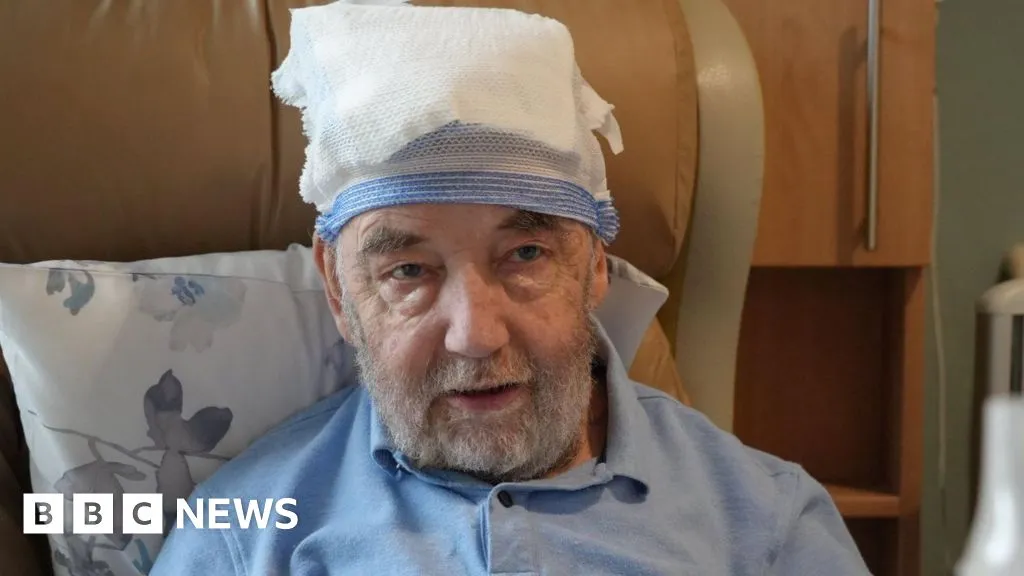
Paul Thomas arrived at St Kentigern Hospice in St Asaph expecting the worst. Instead, he found his pain managed, his worries eased, and staff who seemed genuinely focused on making him comfortable. "These people are wonderful at relaxing you," he says of his final weeks there.
Rowena Owen's experience was similar. When she was diagnosed with a rare cancer in 2024, she spent her last days at the same hospice, where staff arranged something small but profound: they brought in her two cats so she could spend time with them. Her husband John was allowed to stay 24/7 in a bed designed for two. "It was calmer than hospital," he remembers. "But the fact that they're not funded enough is really sad because they are vital."
These stories matter because they illustrate what's at stake. Nine of Wales's 14 hospices are now facing financial deficits by 2025-26. One has already closed. Another is temporarily shut. The problem isn't that these services don't work — it's that the funding model sustaining them is broken.
We're a new kind of news feed.
Regular news is designed to drain you. We're a non-profit built to restore you. Every story we publish is scored for impact, progress, and hope.
Start Your News DetoxThe funding gap
Here's the structural issue: hospices in Wales receive only about 30% of their funding from the Welsh government and NHS. The remaining 70% comes from charitable donations — fundraising galas, community collections, corporate sponsorships. It's a precarious arrangement, especially when costs rise faster than donations can follow.
Liz Booyse, chair of Hospices Cymru, puts it plainly: hospices are making "difficult decisions" about which services they can still afford to offer. The Welsh government has acknowledged the problem and increased investment, including an additional £5.2 million annually and over £9.5 million in one-time grants. But Hospice UK warns this isn't enough to prevent service reductions in adult inpatient and community care without a more fundamental shift.
Political parties have called for what the sector needs: a new sustainable funding model, not just emergency injections. They're also pushing for pay parity between hospice staff and NHS workers — a gap that makes recruitment and retention harder when people can earn more across the road.
The trajectory is clear: either Wales develops a properly funded hospice system, or it watches a service that transforms people's final weeks gradually shrink. The question isn't whether hospices matter. Paul and John already know they do. The question is whether Wales will fund them like it.