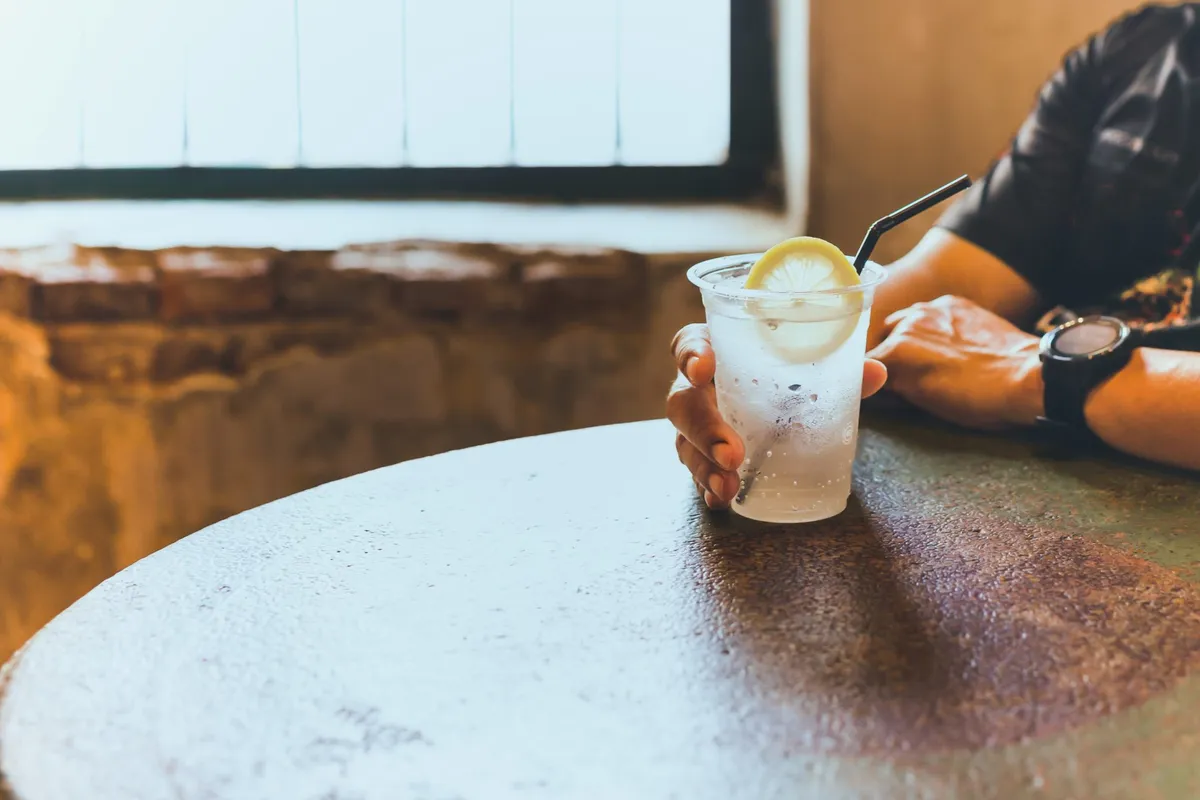
Alcohol has a way of becoming the default answer. Celebrations call for champagne. Stressful weeks end with wine. New jobs, breakups, your coworker's dog's half-birthday — all seem to demand a drink. But something's shifting, especially among younger adults. More people are pausing and asking a simple question: do I actually want this?
That question is the beginning of sober curiosity — and it's less about never drinking again and more about getting honest about why and when you drink in the first place.
What Sober Curiosity Actually Is
Here's the thing: being sober curious doesn't mean committing to permanent abstinence. It means taking time to experiment. You might skip alcohol for a week, a month, or longer just to notice how you feel. Or you might keep drinking, but more intentionally — fewer times, smaller amounts, only when it genuinely appeals to you.
We're a new kind of news feed.
Regular news is designed to drain you. We're a non-profit built to restore you. Every story we publish is scored for impact, progress, and hope.
Start Your News Detox"Typically someone who's sober curious is choosing to explore what it would be like to use less or to not drink or use substances at all—and will give that a try for a period of time with no commitment to forever," explains Leah Young, a clinical manager at Pathlight Mood & Anxiety Center. The key word is try. No judgment. No forever promises. Just curiosity.
The numbers suggest something real is happening. According to Gallup, alcohol use among Americans under 35 has dropped from 72% to 62% over the past two decades. That's not a blip — it's a cultural shift driven by people who've decided their old habits don't fit anymore.
Part of it is practical. People are tired of organizing their social lives around bars. Instead, they're building communities around book clubs, post-work yoga, dinner parties with mocktails, or sober bars — which, yes, are now thriving across the U.S. But for many, it goes deeper. They're asking harder questions: Am I drinking to avoid stress? To fit in? To actually enjoy myself? The answers matter.
How to Start, If You're Curious
If you've caught yourself wondering about your own relationship with alcohol, the first step is honest inventory. Why do you drink? When? How do you feel afterward? Is this habit serving you or just habit.
Once you know the answers, Young recommends getting specific about what you want instead. What would your ideal relationship with alcohol look like? How often would you drink, if at all? Under what circumstances? Write it down. Vague intentions collapse under pressure.
Then, set yourself up to actually stick with it. If you're tempted by the wine in your fridge, remove it temporarily. Replace your 5 p.m. drink ritual with something else that feels good — a walk, a better mocktail, music you love. Tell a trusted friend what you're doing. Find a therapist if you need one. The goal is support, not pressure.
Expect curveballs. Cravings will come. Social situations will feel awkward. Plan for those moments now, while you're thinking clearly, so you're not caught off guard when they arrive.
What Actually Changes
People who take a break from alcohol often report feeling clearer and more present. They sleep better. They have more energy. Their relationships improve because they're actually there in conversations instead of halfway through a buzz. Brain, liver, and heart function improve too, according to the American Addiction Centers.
But the early days can feel uncomfortable, especially if you've been using alcohol to manage anxiety or stress. That discomfort is real. It's also often where the real work begins — learning to handle difficult feelings without reaching for a drink.
Not everyone's path looks the same. For some people, "cutting back" isn't safe or sustainable. "There are some people who need to have that black-and-white mentality—that they simply can't use any substance of intoxication safely," Young says. For those people, professional support and clear abstinence is the right choice.
But for many others, sober curiosity is permission to experiment without pressure. No rules. No shame. No commitment to forever. Just a chance to ask better questions and see what happens.