


Public Health Wins and Environmental Progress
Deaths from alcohol, drugs, and suicide dropped significantly in the US in 2024. This positive trend continued into 2025. Alcohol deaths fell by 4%, drug deaths by 26%, and suicides by 3%.
Experts link this decline to better access to health services and early intervention programs. However, Trust for America’s Health (TFAH) warns that recent cuts to health services, including substance abuse programs, could stop this progress. Suicide deaths also remain high for some groups, especially American Indians.
Dr. Nadine Gracia, president of TFAH, stressed the need for more federal investment in harm reduction and prevention programs. She also highlighted the need for policies that improve mental health for everyone, especially for groups not seeing the same progress.
We're a new kind of news feed.
Regular news is designed to drain you. We're a non-profit built to restore you. Every story we publish is scored for impact, progress, and hope.
Start Your News DetoxColombia Outlaws FGM
Colombia is set to ban female genital mutilation (FGM) after its government passed a new bill. Colombia is thought to be the only Latin American country where FGM still occurs, mainly among the indigenous Embera community.
FGM is a human rights violation that causes serious physical and psychological harm. The bill now awaits presidential approval. Enforcing the law might be difficult because FGM often happens secretly in remote areas.
This move comes as global efforts against FGM are speeding up. The World Health Organization (WHO) reports that the number of girls subjected to FGM has fallen from one in two to one in three over the last decade in countries where it persists. The WHO noted that half of all progress since 1990 happened in the last 10 years.
London's Ulez Improves Health
London's Ultra Low Emissions Zone (Ulez) is linked to a sharp drop in hospital admissions for heart and breathing problems. The Ulez started in 2019 to reduce air pollution. It charges vehicles that don't meet emissions standards.
New research from Imperial College London shows the Ulez and an earlier toxicity charge led to an 8.1% reduction in yearly trends for heart disease. Respiratory disease admissions fell by 6.2%, and overall hospital admissions dropped by 3.1% in central London.
Daniela Fecht, an associate professor at Imperial, said these findings support the idea that similar actions in other cities could improve health. This follows a study suggesting that China's use of electric cars has prevented about 262,000 deaths from air pollution.

São Tomé and Príncipe Establishes First Marine Reserve
Africa’s second smallest nation, São Tomé and Príncipe, created its first two marine reserves this week. These areas, covering 40 square miles, will ban industrial fishing but allow sustainable practices.
Manuel Gomes, a former turtle poacher turned conservationist, helped create the Santana and Ilhéu das Rolas protected areas. He promised an end to habitat destruction from fishing nets and the catching of endangered species.
Pedro Ramos from Fauna & Flora noted the immense pressure on the ocean and the importance of protecting it. This follows French Polynesia's announcement of a marine reserve the size of France.
Pakistan's Solar Revolution
Pakistan is experiencing a "solar revolution," becoming a world leader in solar energy adoption. In 2025, Pakistan imported more Chinese solar panels than any country except the Netherlands. This growth is driven by ordinary people seeking to produce their own energy due to frequent power outages.
Jan Rosenow, a professor at the University of Oxford, highlighted that this solar boom happened without government subsidies or mandates. He called it "probably the fastest deployment of distributed solar anywhere in the world."
While there are concerns about installation safety and affordability for poorer households, this shows solar's rapid rise and increasing accessibility.
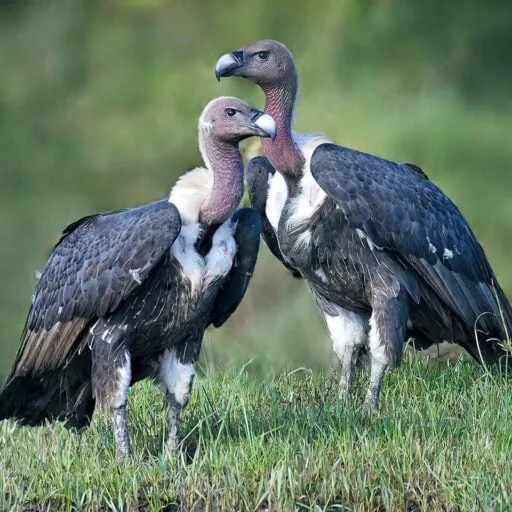
Vulture Comeback in South Asia
South Asia's vultures, once near extinction, have made a remarkable recovery. This is being called "one of the biggest conservation success stories of our time."
At the turn of the century, vulture numbers, including the white-rumped vulture, plummeted by 99.9% in northern India. Scientists discovered that diclofenac, a drug given to livestock, was killing the birds. India, Nepal, and Pakistan banned the drug, and vulture populations began to rise, partly due to breeding programs.
The Royal Society for the Protection of Birds stated that 20 years after the drug bans, the future for Asia's vultures looks much brighter. They called the ban a monumental step that prevented extinction.
US 'Forever Chemical' Laws Show Success
California and New York's bans on PFAS "forever chemicals" in clothing have led to a "dramatic drop" in these toxic substances in products. PFAS chemicals, used for heat, water, and oil resistance, can cause cancer and do not break down.
The Natural Resources Defense Council (NRDC) tested 115 products in 2025. They found PFAS levels decreased from thousands of parts per million (ppm) to less than 10 ppm. Major outdoor brands reduced PFAS in raincoats by 97% to 99.99%.
Dr. Anna Reade of the NRDC noted that companies made the changes when states enforced the bans. This has resulted in safer clothes and housewares.
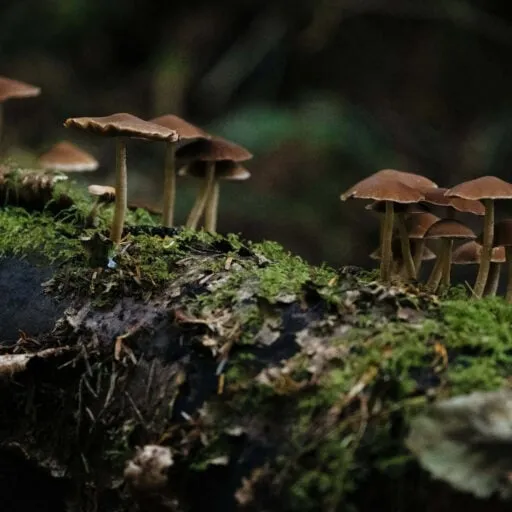
First Map of Underground Fungal Networks
New research has mapped the vast mycorrhizal fungal networks in the world's topsoil. These "fungal highways" stretch about 110 quadrillion kilometers, roughly a billion times the distance from Earth to the Sun.
These networks are vital for ecosystems, food production, and carbon removal, but they have been largely mysterious. Researchers now have the first global estimate of their scale.
The study found that grasslands are key hotspots for underground fungal life. This challenges the usual focus on trees for carbon storage and ecosystem restoration. Professor Kate Field from the University of Sheffield, who led the study, emphasized the need to pay more attention to these networks to improve soil health, food security, and climate resilience.
UK Bans Social Media for Under-16s
The UK government announced a social media ban for children under 16, aiming to "give children back their childhoods." This policy is supported by 90% of parents, according to a public consultation.
The ban addresses concerns about harmful online content and the impact of algorithms on childhood. The government sees this as setting a "new normal for future generations."
While some teens have found ways around similar bans, Joe Ryrie, co-founder of the Smartphone Free Childhood movement, believes it's a major step forward. He said it will give millions of children more time to grow up before entering online environments not designed for their well-being.
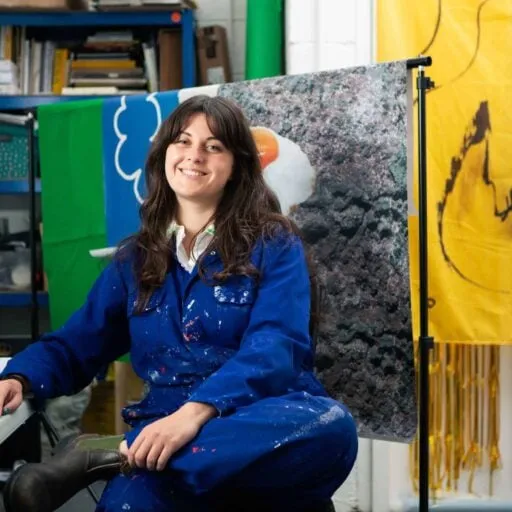
Ireland's Basic Income for Artists Sparks Debate
Ireland's basic income for artists, initially a temporary measure after Covid, has been made permanent. Research showed it boosted the economy. This has fueled a debate about whether other countries should adopt similar schemes.
Positive News explored how income schemes for artists across Europe, including Ireland and Norway, are supporting the cultural sector. This comes at a time when the sector faces budget cuts and the rise of generative AI.





