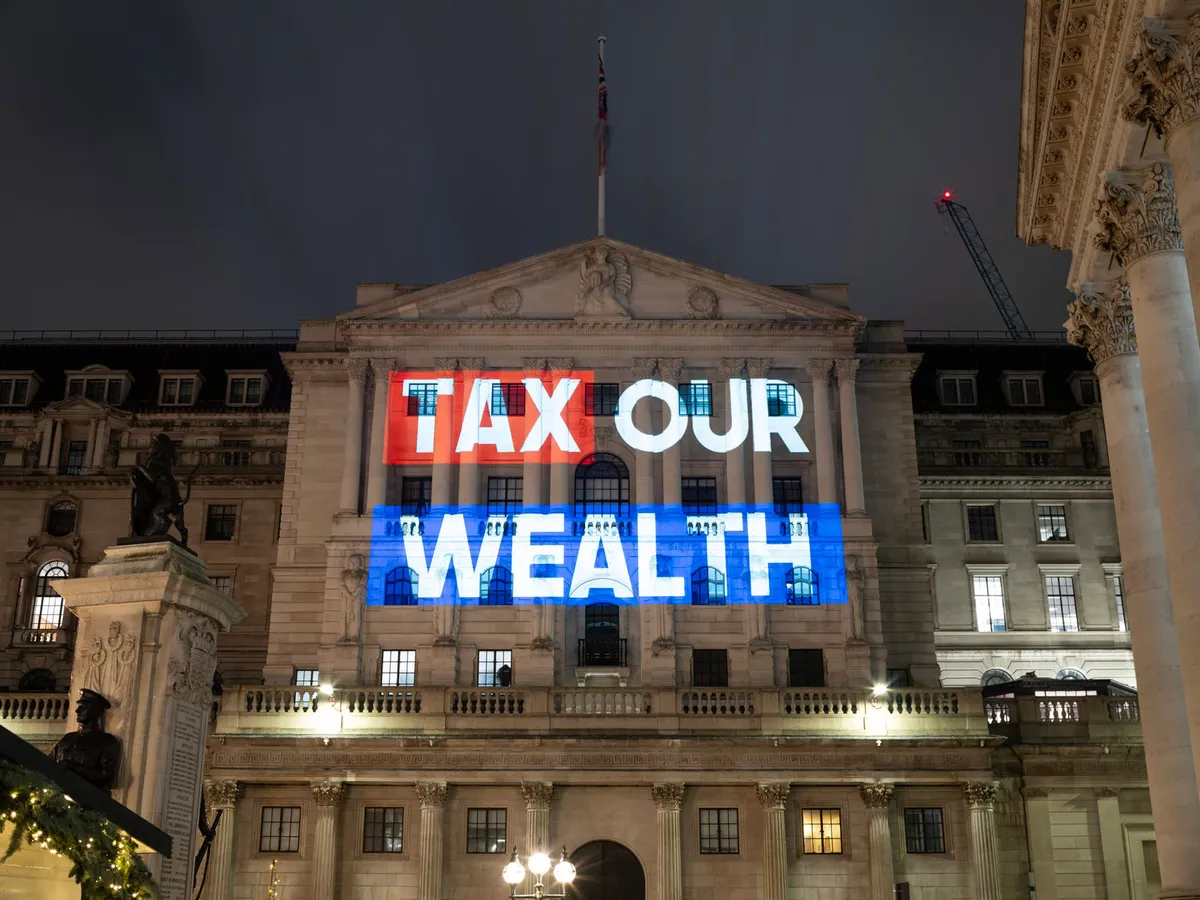
Almost 400 millionaires and billionaires from around the world have signed an open letter calling on global leaders to increase taxes on the super-rich and tackle widening inequality. Released during this week's World Economic Forum in Davos, the letter doesn't mince words: "A handful of global oligarchs with extreme wealth have bought up our democracies; taken over our governments; gagged the freedom of our media; placed a stranglehold on technology and innovation; deepened poverty and social exclusion; and accelerated the breakdown of our planet."
The movement has been building momentum. Organizations like the Patriotic Millionaires group—with active chapters in the U.S. and U.K.—and Resource Generation have been pushing this conversation for years. What's striking is that it's coming from inside the wealth system itself.
The numbers behind the push are hard to ignore. Last year, billionaires' collective wealth surged by $2.5 trillion—enough to eradicate extreme poverty 26 times over, according to Oxfam International. That's not abstract: it translates directly into political power, media influence, and the ability to shape which problems get solved and which ones don't.
We're a new kind of news feed.
Regular news is designed to drain you. We're a non-profit built to restore you. Every story we publish is scored for impact, progress, and hope.
Start Your News DetoxThe fact that nearly 400 wealthy people are publicly asking to be taxed more suggests something has shifted in how at least some of the ultra-wealthy see their role. Whether governments actually listen is another question entirely, but the letter shows that the argument for wealth redistribution now has voices from both outside and inside the boardroom.
What else caught our attention
A high seas treaty that took decades to negotiate just entered into force, giving the ocean's international waters their first real legal protections. The U.K. is investing £15 billion into solar panels and green technology for homes to cut energy bills. California exceeded its clean car targets despite losing federal support. And a new generation of homeless shelters is opening specifically for seniors, accounting for the medical complexity that older adults face on the street.
One more thing worth sitting with: what happens to nature when humans disappear. A fascinating piece explores "involuntary parks"—places like the Chornobyl exclusion zone and the Korean DMZ where wildlife has thrived in the absence of people, but whose future now depends on geopolitical outcomes no one can predict. It's a reminder that conservation isn't always about protecting nature from humans. Sometimes it's about understanding what thrives when we're not there.