Your toothbrush is already doing the work. A team of researchers just found a way to make it do more.
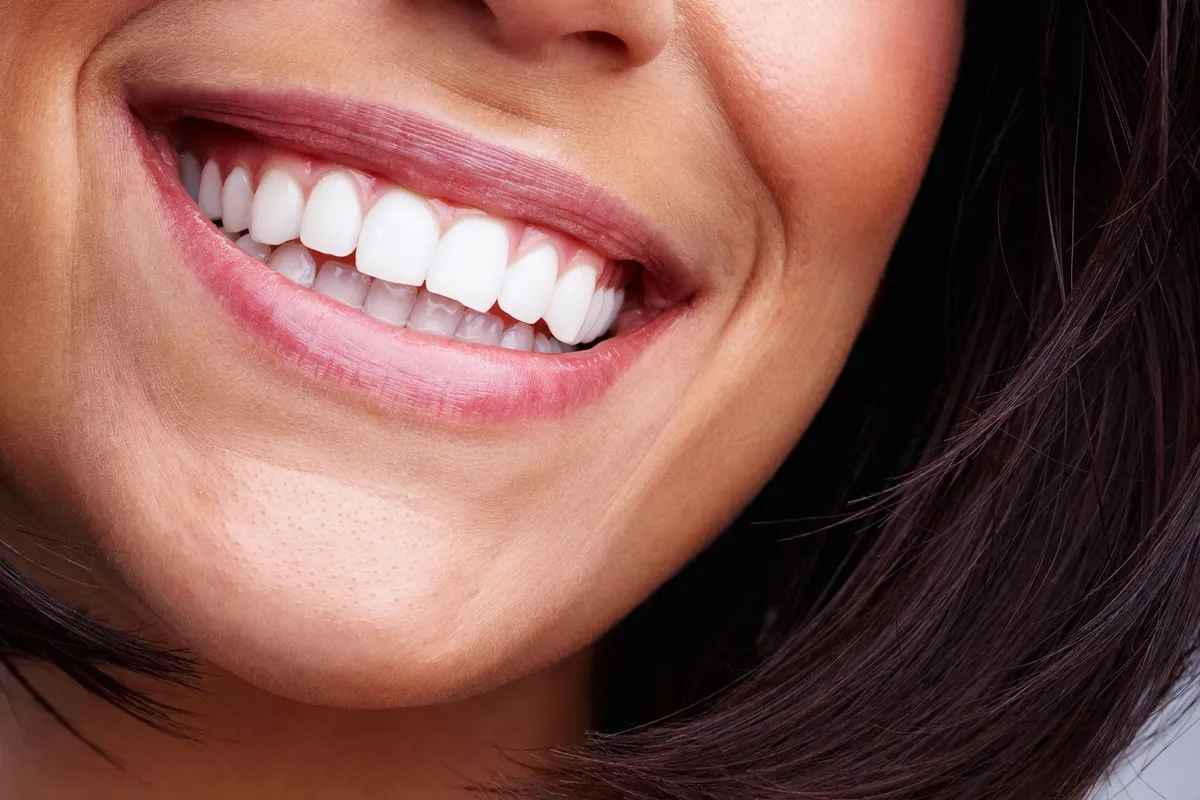
Tooth stains don't discriminate. Some people's enamel naturally picks up pigment more easily — it's partly genetics, partly the daily accumulation of coffee, tea, and tomato sauce. The problem with most whitening treatments is they work by stripping away what's staining your teeth, which means they also strip away some of what protects them. You get whiter teeth and more vulnerable enamel in the same transaction.
A new study published in ACS Nano proposes a different approach: use the vibration from your electric toothbrush as the engine for whitening. Researchers created a powder called BSCT that converts those vibrations into tiny electrical pulses, triggering chemical reactions that break up stains right at the tooth surface — without the collateral damage.
We're a new kind of news feed.
Regular news is designed to drain you. We're a non-profit built to restore you. Every story we publish is scored for impact, progress, and hope.
Start Your News DetoxHow vibration becomes whitening
The powder is made from strontium, calcium, and barium ions mixed with barium titanate, then heated into a ceramic. When your electric toothbrush vibrates, the material generates a small electric field through what's called the piezoelectric effect — the same principle that lets lighters create sparks or speakers produce sound from electrical signals. In this case, that electrical burst sets off reactions that produce whitening compounds exactly where they're needed.
In lab tests on human teeth stained with tea and coffee, the difference showed up after four hours of brushing. After 12 hours, teeth treated with BSCT were almost 50% whiter than teeth brushed with plain saline solution. But the powder did something else the researchers didn't expect to find: it repaired damage.
Teeth with worn-down enamel and dentin — the layer underneath — actually rebuilt themselves when brushed with BSCT. The strontium, calcium, and barium from the powder deposited as minerals on the tooth surface, essentially filling in the gaps.
Beyond whitening
The researchers then tested the powder on rats fed high-sugar diets, which mimics the conditions that let harmful bacteria thrive in human mouths. After brushing with BSCT for one minute daily over four weeks, the rats' oral microbiome shifted. The powder killed Porphyromonas gingivalis and Staphylococcus aureus, bacteria linked to gum disease, and reduced inflammation across the board.
Right now, this is still a prototype. The researchers haven't yet figured out how to incorporate BSCT into a toothpaste formula that would feel and taste like something people actually want in their mouth twice a day. That's the next step — turning a lab result into something you'd reach for on your bathroom shelf.
If it works, you'd get three things from one product: whiter teeth, stronger enamel, and a healthier oral microbiome. All from the toothbrush you're already using.