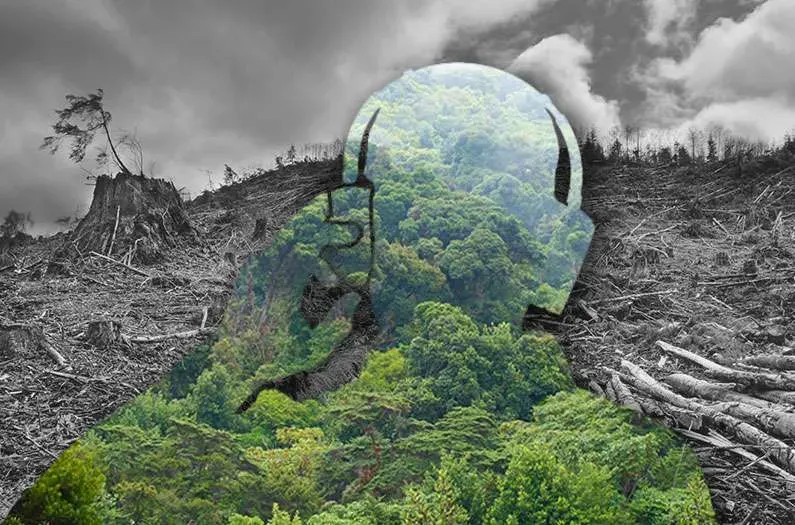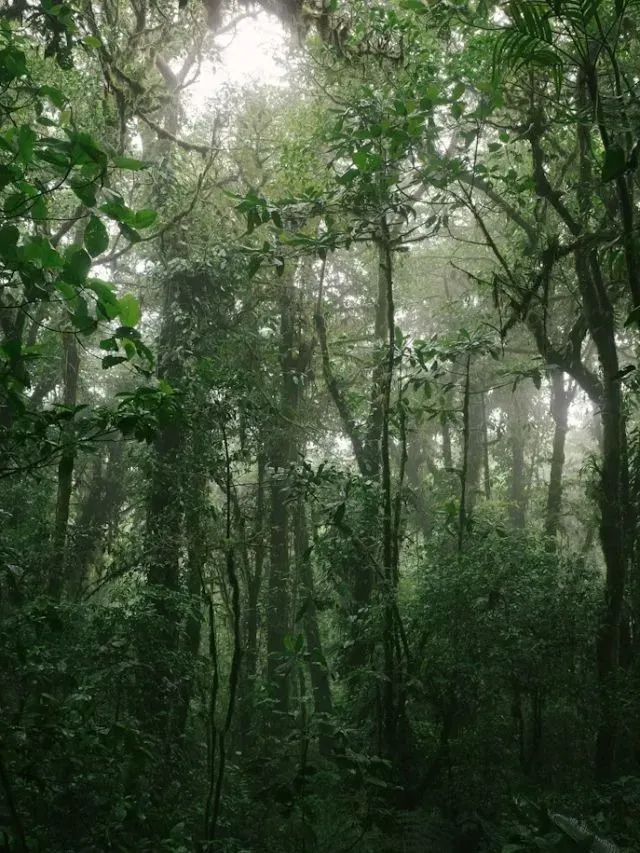
A forest looks green from the air. On the ground, the picture is messier.
Dr Rosa Vásquez Espinoza, a UNESCO-awarded scientist and National Geographic Explorer, has spent her career watching reforestation projects succeed and collapse. The pattern is consistent: we plant trees like we're filling a quota, then walk away. Nearly 45% of saplings fail within five years because we're treating reforestation like a numbers game instead of an ecological puzzle.
The problem isn't the trees themselves. It's that planting and restoring are fundamentally different acts.
What restoration actually requires
A healthy forest isn't a collection of individual trees. It's a system — soil, water, insects, wildlife, people — all working together. When we plant without this understanding, we often make things worse. Nearly 44% of planted forests worldwide use non-native species. These trees might survive, but they disrupt soil chemistry, alter water cycles, and starve local insects that depend on native plants. Bees disappear. Soil degrades. The forest looks planted but functions like a monoculture.
We're a new kind of news feed.
Regular news is designed to drain you. We're a non-profit built to restore you. Every story we publish is scored for impact, progress, and hope.
Start Your News DetoxNative species work differently. They evolved with local soil, local rainfall patterns, local pollinators. They anchor themselves into existing ecological relationships rather than fighting them.
But here's what makes restoration actually stick: community involvement. Reforestation thrives when local and Indigenous communities help design it from the start, not after. Their knowledge — gathered across generations — shapes forests that survive, adapt, and grow. They understand which trees produce food or medicine. They know water patterns. They care about the forest's future because they live in it.
This matters because forests last when they support people. A forest that provides medicinal plants, food trees, and culturally important species gets protected. Communities monitor it. They pass knowledge to the next generation. A forest that exists only on paper gets abandoned.
Wildlife completes the picture. Animals spread seeds, manage pests, and maintain balance. Reforestation works best when restored landscapes have food, shelter, and safe corridors for wildlife to move through. Pollinators — bees, birds, butterflies — are essential here. Nearly 90% of flowering plants depend on them. Without pollinators, the forest can't reproduce itself.
Soil moisture ties it all together. Young trees need water through dry seasons. Wetlands, rivers, and Indigenous water management practices help saplings take root and survive. Without attention to hydrology, even native trees struggle.
The survival rates reveal the truth about most projects: they stop tracking after the planting ceremony. Long-term monitoring is expensive and unglamorous, so it rarely happens. But the data from projects that do track shows real impact only emerges over years, not weeks.
Reforestation is possible. It just requires treating forests like the complex living systems they are — and trusting the people who've lived alongside them for centuries.