A possum smaller than a guinea pig might be living in South Australia right now—and nobody knows for sure.
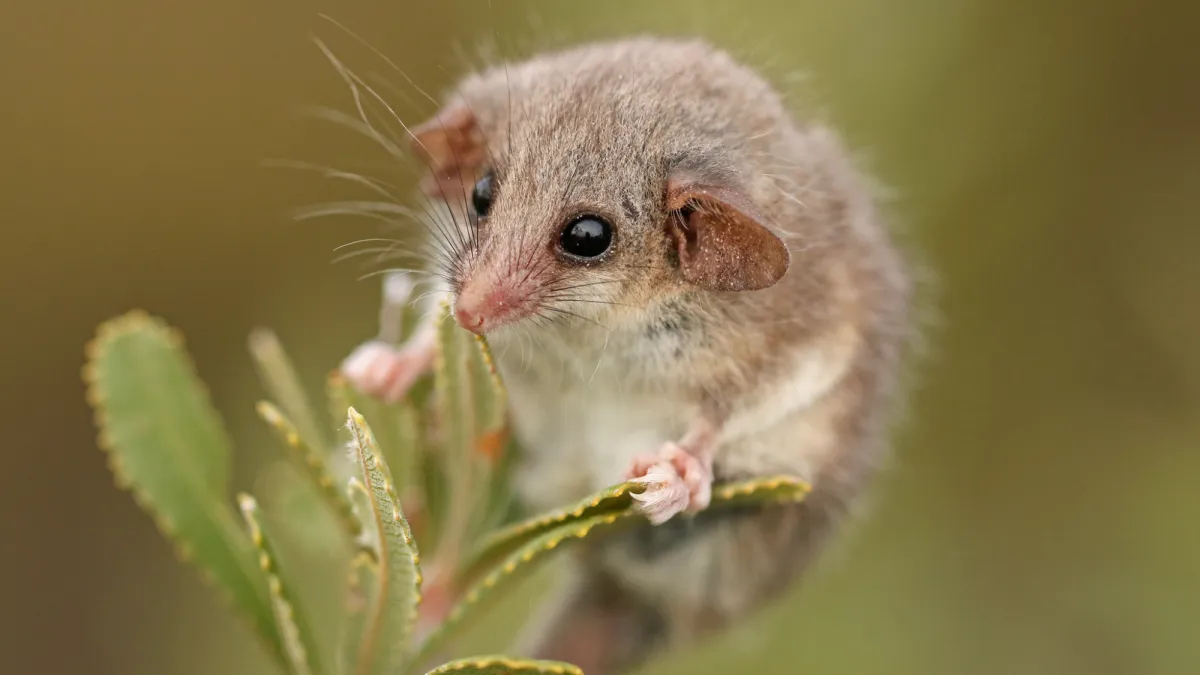
The little pygmy possum weighs less than half a kilogram and feeds on nectar, pollen, and insects. It's one of Australia's smallest mammals, with a soft, rounded body and a furry tail that sets it apart from the bare-tailed opossums found in North America. For decades, scientists have known these creatures exist in Tasmania, parts of Victoria, and on Kangaroo Island. But a research team at Adelaide University recently found something unexpected: evidence suggesting a population might be hidden on the Yorke Peninsula, more than 190 kilometers away from any confirmed sighting.
"There is no museum or other record of little pygmy possums for the Yorke Peninsula," said Dr. Sophie Petit, the study's lead ecologist. "Although the animals looked slightly different from western pygmy possums, they were labelled as juveniles, because no one in the team expected to discover a new mammal species for the Yorke Peninsula."
We're a new kind of news feed.
Regular news is designed to drain you. We're a non-profit built to restore you. Every story we publish is scored for impact, progress, and hope.
Start Your News DetoxWhat makes this discovery intriguing is the geography. If the Yorke Peninsula population exists, it has likely been isolated for thousands of years—ever since rising sea levels separated Kangaroo Island from the mainland. A population cut off that long would have evolved distinct characteristics, which is exactly what researchers observed in their specimens.
A refuge under pressure
The urgency here isn't just scientific curiosity. The Yorke Peninsula has lost 87% of its native vegetation. What remains is fragmented and scattered, with more than half of it concentrated in Dhilba Guuranda–Innes National Park at the peninsula's southern tip. That park is now potentially the only place where a pygmy possum could survive in the region.
Land management practices add another layer of complexity. Prescribed burning—used both to prevent wildfires and to restore Indigenous cultural practices—could harm an unconfirmed population that nobody is actively protecting. "If the little pygmy possum is still there, it needs urgent attention," Dr. Petit said.
There's a real possibility the population no longer exists. Twenty years of habitat loss and fragmentation may have already pushed them toward extinction. But there's also a chance they're still there, hidden in the park's remaining patches of native vegetation, waiting to be found.
The next step is clear: new surveys to confirm whether this tiny mammal has survived on the peninsula. Until then, Dr. Petit argues for a precautionary approach to land management—protecting the habitat not because the possum is definitely there, but because the cost of being wrong is too high.