Singapore has been running out of water for decades. So in the 1990s, the country did what it does best: engineered a solution. The Public Utilities Board built infrastructure to harvest rainwater, desalinate seawater, and reclaim wastewater. That last one — treated to drinking-water standards and branded as NEWater — became the foundation of the nation's water security.
In 2018, a brewery called Brewerkz had a thought: what if we made beer with it.
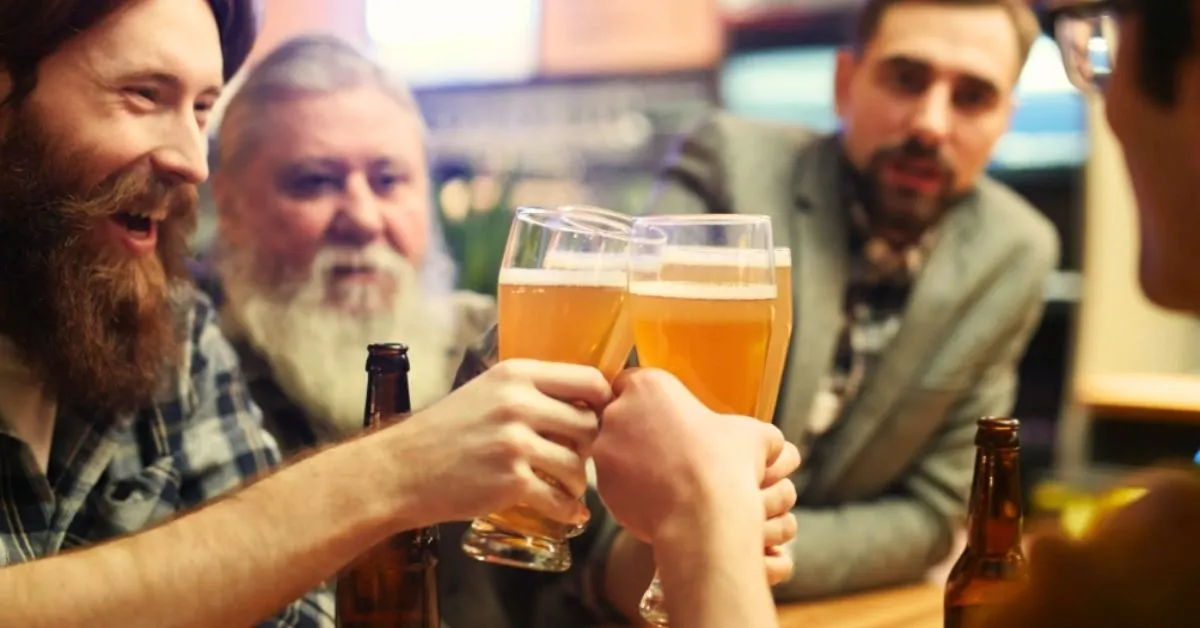
NEWBrew launched quietly. But it got its moment at the 2024 UN Climate Conference in Baku, when Brewerkz handed out cans to delegates. A student from Congo, Ignace Urchil Lokouako Mbouamboua, opened his and expected the worst. Instead: "I didn't know. I was really surprised," he told the Associated Press. "I can even suggest that they make more and more of this kind of beer."
He wasn't alone. What started as a Singaporean experiment has become a quiet movement. San Francisco's Epic OneWater Brew now sells wastewater beer. So does ERKO in the Czech Republic. And in Alberta, Canada, Village Brewery recently debuted a blonde ale brewed from recycled wastewater.
We're a new kind of news feed.
Regular news is designed to drain you. We're a non-profit built to restore you. Every story we publish is scored for impact, progress, and hope.
Start Your News DetoxThe Safety Question
The mental leap is real. Most people hear "sewage beer" and recoil. But the process isn't what the name suggests. Treated wastewater goes through multiple filtration and purification steps — the same ones that produce drinking water for millions of people. By the time it reaches the brewery, it's indistinguishable from any other water source.
Jeremy McLaughlin, head brewer at Village Brewery, gets the hesitation. "There's a mental hurdle to get over of how inherently gross this could be," he said. "But we know that this water is safe, we know that this beer is safe, and we stand by our process."
Jessica Popadynetz, a public health inspector in Alberta, sees this trend accelerating. "With the right measures in place, alternative water sources such as wastewater, greywater, rooftop collected rainwater, and stormwater can be made safe for many potable and non-potable end uses," she explained.
What makes this work is that the breweries aren't hiding what they're doing. They're naming it. They're being transparent about the source and the treatment. That honesty — combined with the fact that the beer actually tastes good — seems to be what converts skeptics into customers. A student at a climate conference was handed a can and asked to trust the process. He did. And he wanted more.
That's the real innovation here: not just the technology, but the willingness to say out loud what we're doing with our water, and to trust people to understand why it matters.