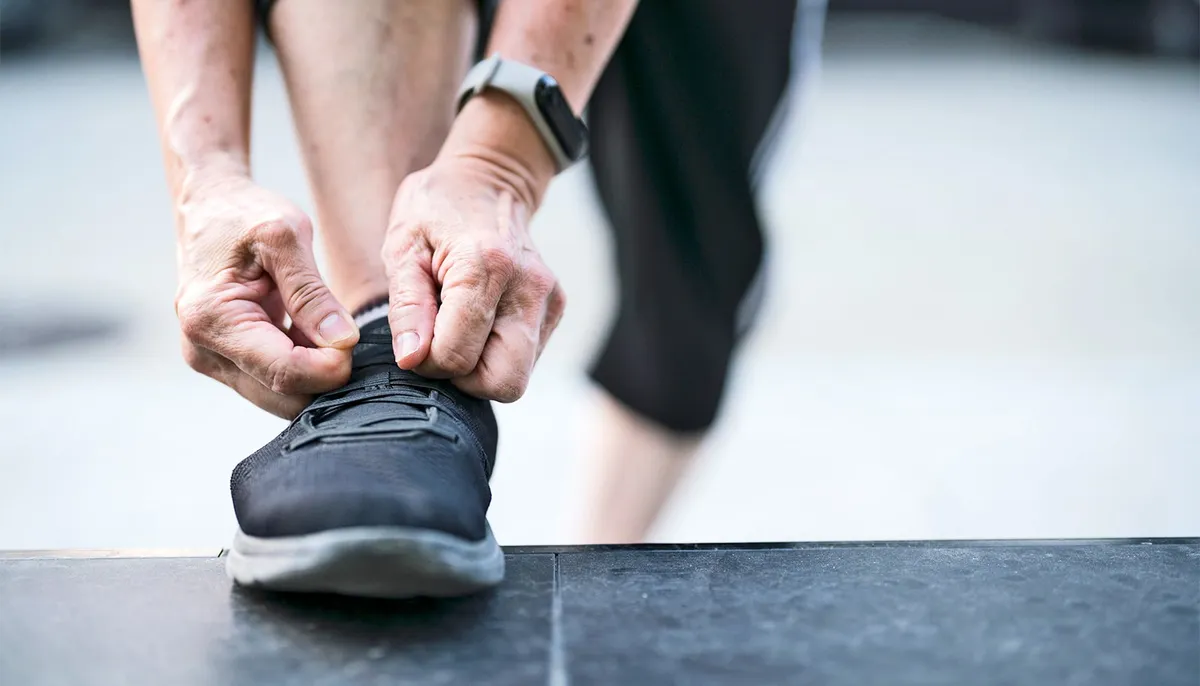
Forget everything you thought you knew about gracefully — or ungracefully — declining. A new Yale study just dropped a bombshell: almost half of adults over 65 actually improve physically, mentally, or both, as they get older. Apparently, getting better in your golden years isn't just possible; it's practically trending.
And here’s the kicker: your attitude might be the secret sauce. The research found a seriously strong link between positive beliefs about aging and these later-life gains. Turns out, believing you're still in the game might actually keep you in it.
The Upside of Getting Older
The Yale team dove into data from over 11,000 participants in the Health and Retirement Study, tracking them for up to a dozen years. To measure mental prowess, they used a global cognitive assessment. For physical function, they looked at walking speed — which, let's be honest, is a pretty solid indicator of how much life you're still kicking out of.
We're a new kind of news feed.
Regular news is designed to drain you. We're a non-profit built to restore you. Every story we publish is scored for impact, progress, and hope.
Start Your News DetoxThe results? Forty-five percent of participants saw improvement in at least one area. About 32% got sharper cognitively, and a solid 28% improved physically. Many of these gains weren't just marginal; they were significant. More than half either improved or held steady on their cognitive abilities, thoroughly messing with the expected narrative of inevitable decline.
Lead author Becca R. Levy, a professor at Yale School of Public Health, pointed out that these individual triumphs often get lost in the "average decline" data. While the group average might tick downwards, a closer look reveals plenty of people are actually on an upward trajectory. Which, if you think about it, is both impressive and slightly terrifying for anyone who's already mentally written off their future self.
Your Brain: A Self-Fulfilling Prophecy Machine
So, why did some folks improve while others, well, didn't? The researchers honed in on participants' beliefs about aging at the study's start. And what they found was pretty stark: older adults who held more positive views about aging were significantly more likely to improve their thinking skills and their walking speed.
This held true even when accounting for pesky variables like age, gender, education, and pre-existing health conditions. Levy's "stereotype embodiment theory" helps explain this phenomenon, suggesting that societal age stereotypes can literally impact our health. Her previous work showed negative beliefs could lead to worse memory and slower walking. This new study confirms the flip side: positive beliefs can actually lead to improvement. It’s like your brain is a highly suggestible, very powerful personal trainer.
These findings suggest a hidden capacity for improvement late in life, often overlooked. And since beliefs can be shifted, it opens up some intriguing avenues for helping people — individually and societally — to actually look forward to getting older. Or at least not dread it quite so much.
The improvements weren't just for those recovering from an illness, either. Even participants who started with perfectly normal mental and physical function often improved, challenging the idea that later-life gains are just about bouncing back. It seems the human body and mind are far more resilient and capable of growth than we give them credit for. Now, if you'll excuse us, we're off to tell our grandparents they're basically superheroes.