Vladimir Nabokov, the famous author of "Lolita," never learned to type. His wife, Vera, typed every word of his novels before they went to editors.
Christine Jacobson, an associate curator at Harvard's Houghton Library, explained that Nabokov wrote on notecards. He would arrange them until the story felt right. Then, he would either tell Vera what to type or give her finished prose to transcribe.
The Unsung Heroes of Literature
The exhibit highlights women like Vera who typed for famous writers. It also features thousands of women who worked as secretaries and typists for government officials, scientists, and Hollywood creatives.
We're a new kind of news feed.
Regular news is designed to drain you. We're a non-profit built to restore you. Every story we publish is scored for impact, progress, and hope.
Start Your News DetoxThe idea for the exhibit came from a social media trend, #thanksfortyping, started by Professor Bruce Holsinger. He noticed many academic books thanked typists in their acknowledgments. Jacobson wondered what similar stories they might find in Harvard's own archives.
Jacobson and Stinchcomb found typists for Emily Dickinson, Henry James, T.S. Eliot, and Oscar Wilde. The exhibit shows Dickinson's handwritten poems next to typewritten versions by Mabel Loomis Todd from the 1890s. Todd started publishing Dickinson's work after her sister gave her hundreds of pages.
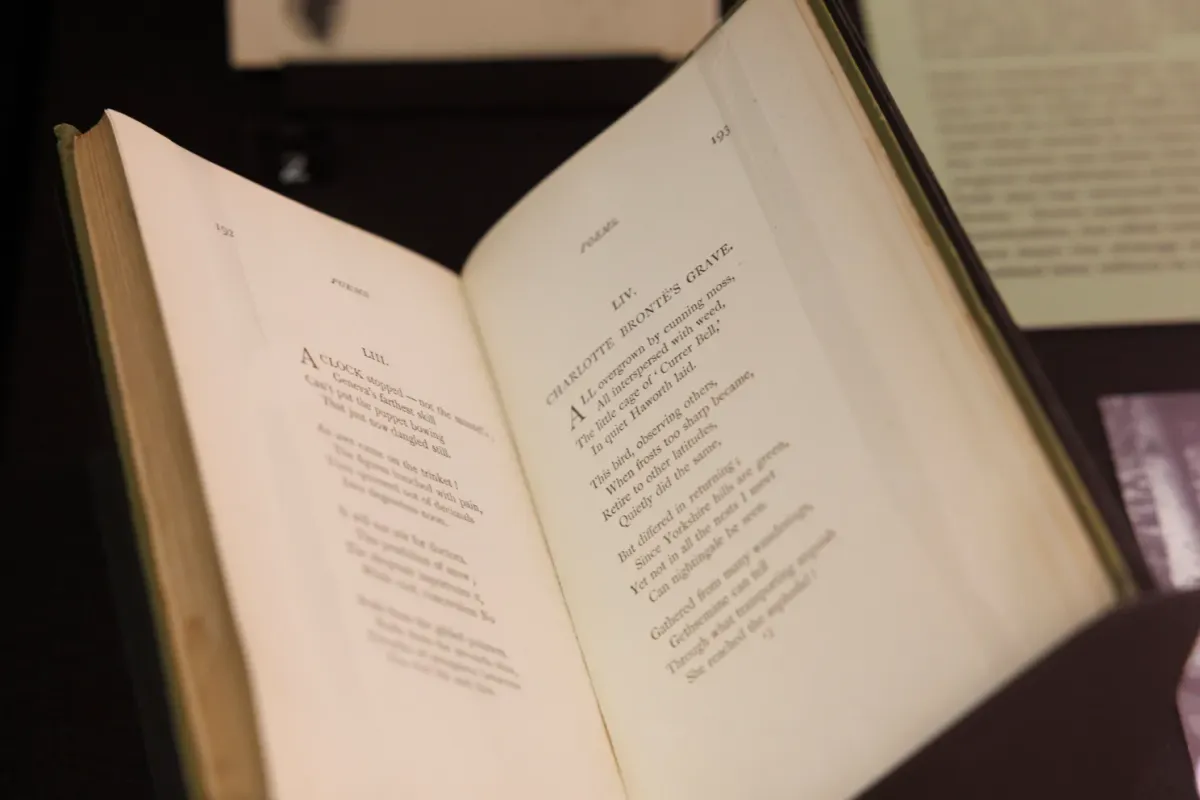
"We would not have Emily Dickinson’s poetry without her," Jacobson said.
Typists often did more than just type. They researched and copy-edited. Todd, for example, changed some of Dickinson's unique writing styles. Vivian Eliot also edited her husband's poems.
Typing even changed how authors wrote. Henry James's style became much more detailed and his sentences longer after he started dictating to a typist.
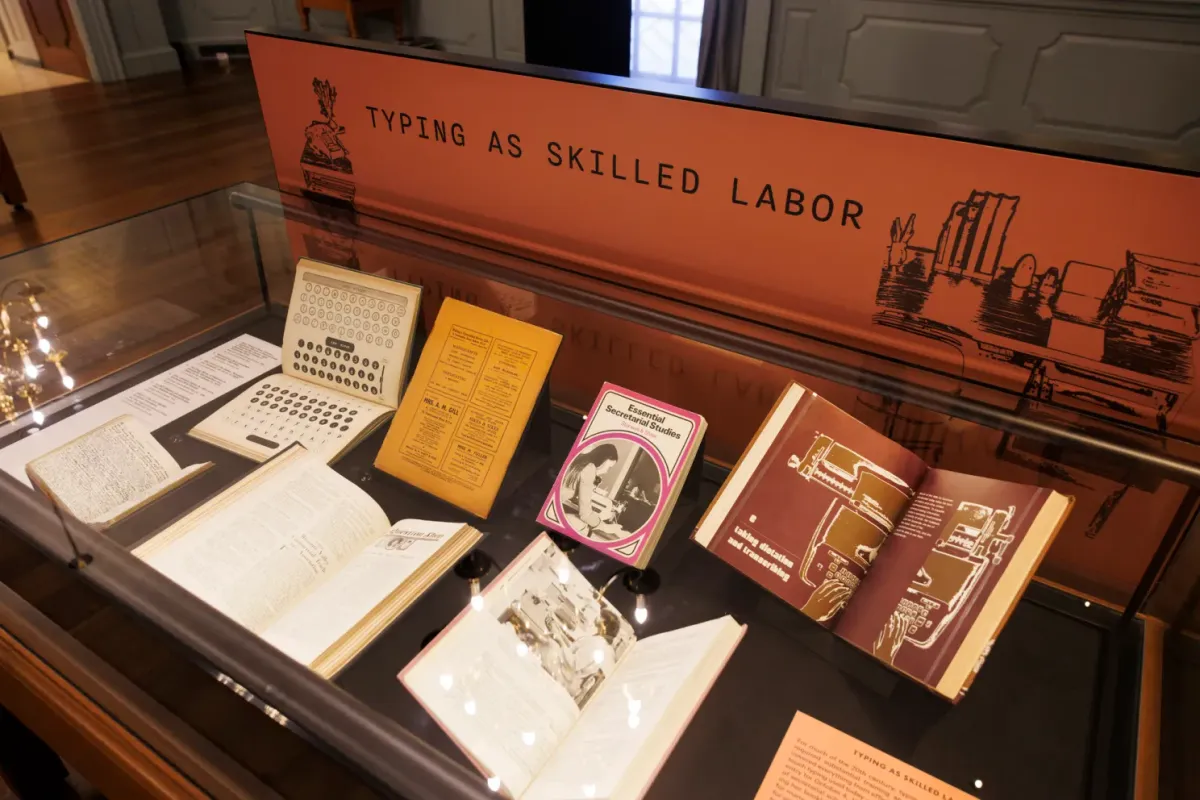
The "Typewriter Girl" and Undervalued Labor
The curators also wanted to show how typists' work has been valued, or not, over time.
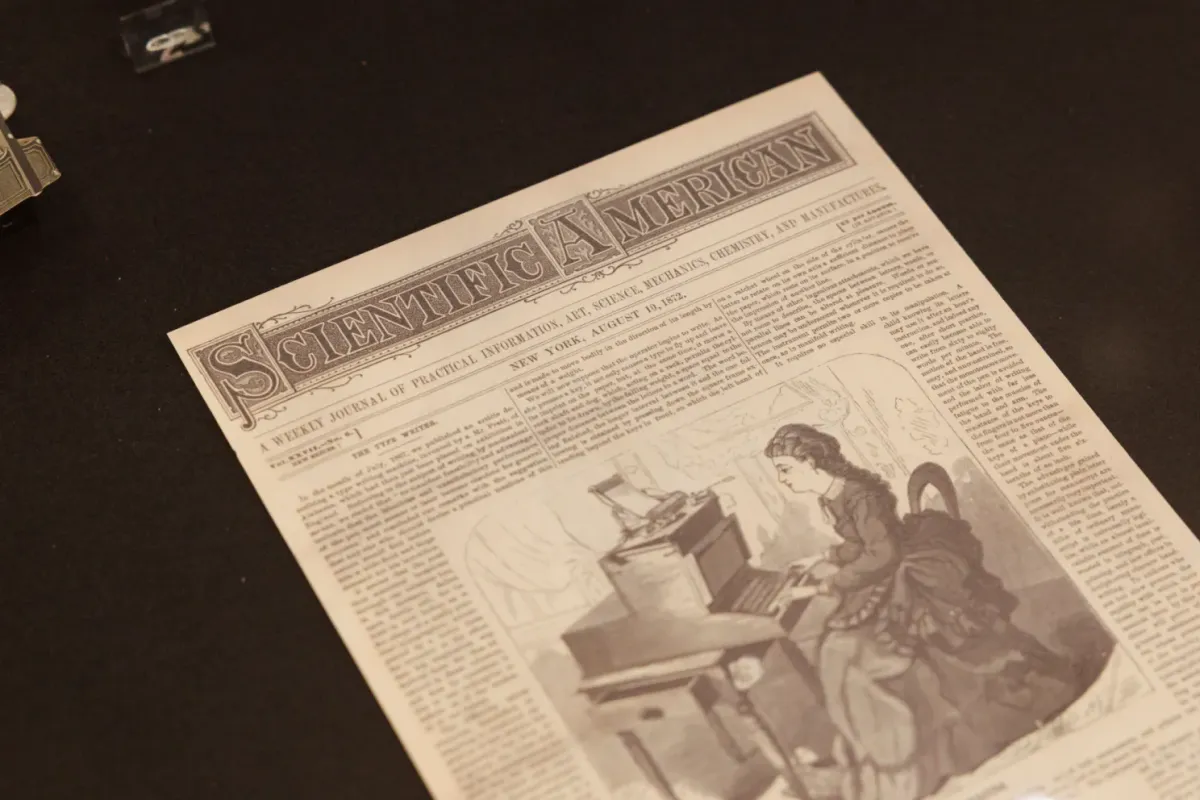
"From the moment the typewriter is invented, it is immediately associated with women and women’s labor," Jacobson said.
When Christopher Latham Sholes invented the first successful typewriter in 1872, he had his daughter, Lillian Sholes, pose with it. She became known as the original "typewriter girl."
This sent a message that the machine was so easy "a woman can do it," Jacobson explained. While Sholes helped women enter white-collar jobs, their contributions were often downplayed and not seen as a technical skill.
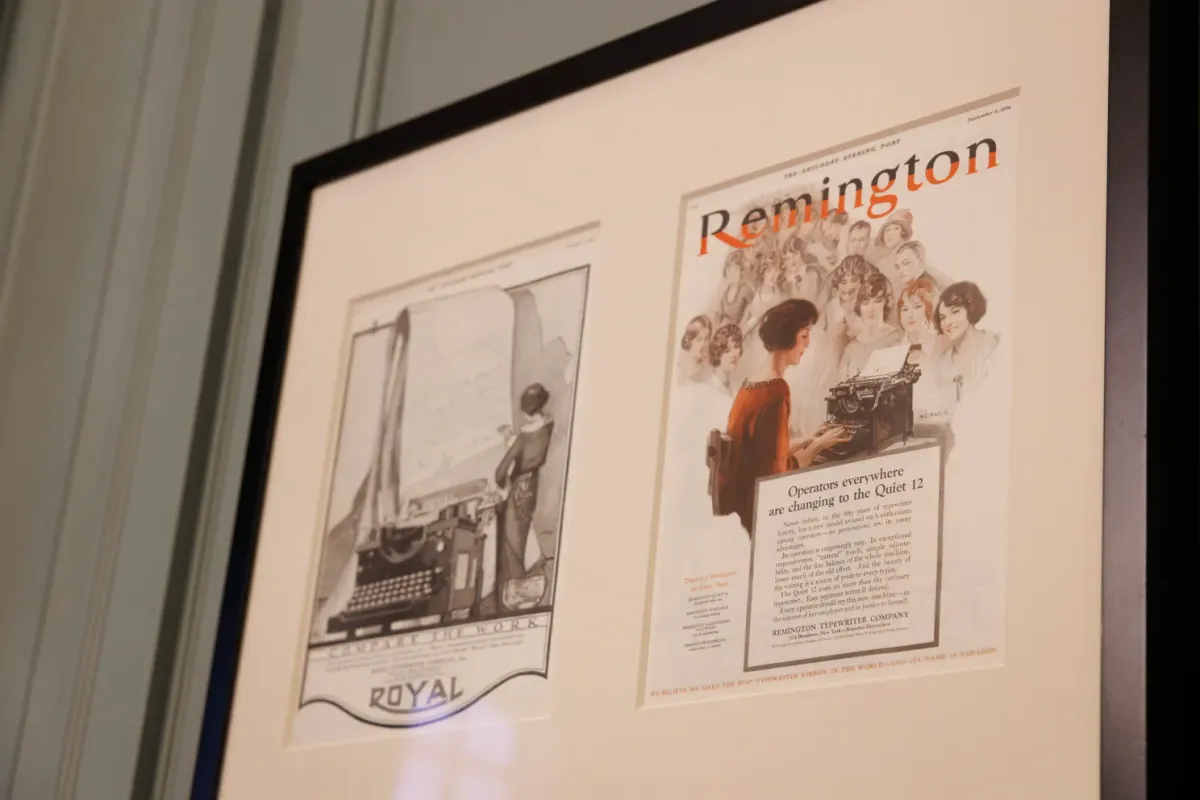
From the early 1900s to the 1960s, women's typing work continued to be minimized and became more sexualized. Mid-century typing manuals focused on looking good for the boss. Typists were seen as "objects of sexual desire" meant to "adorn the office."
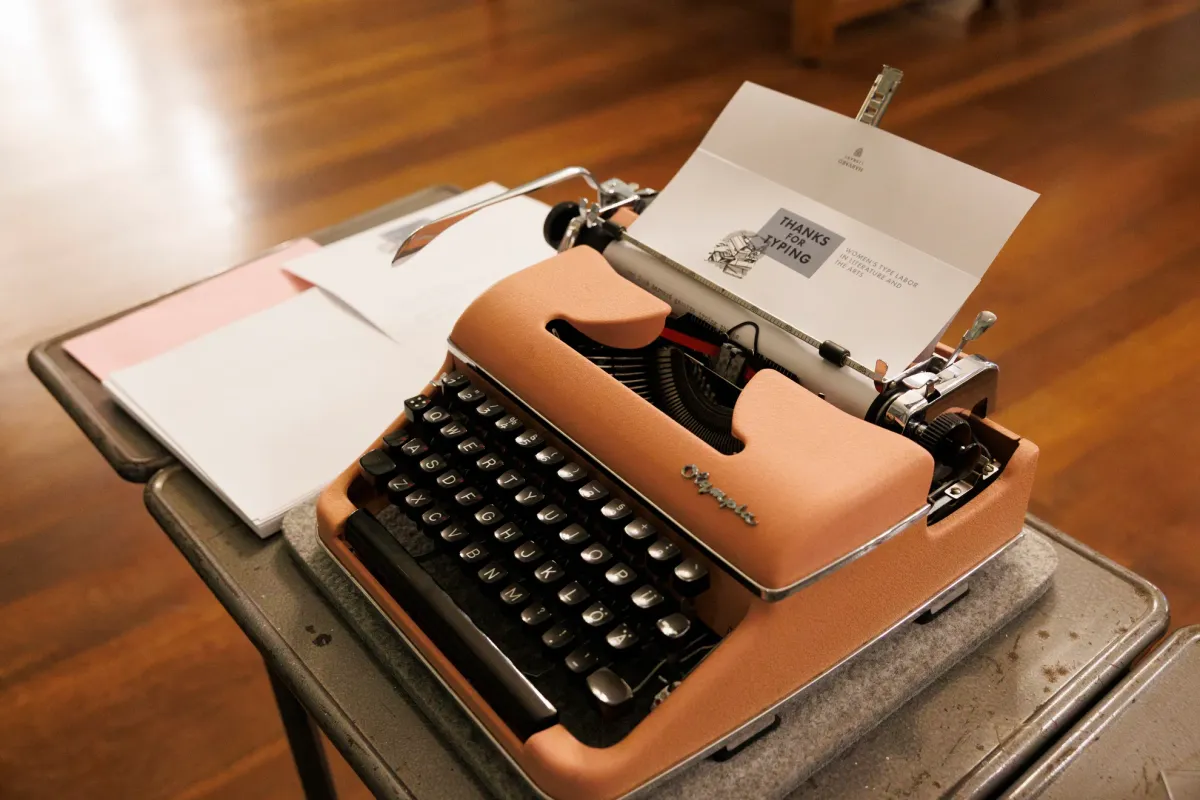
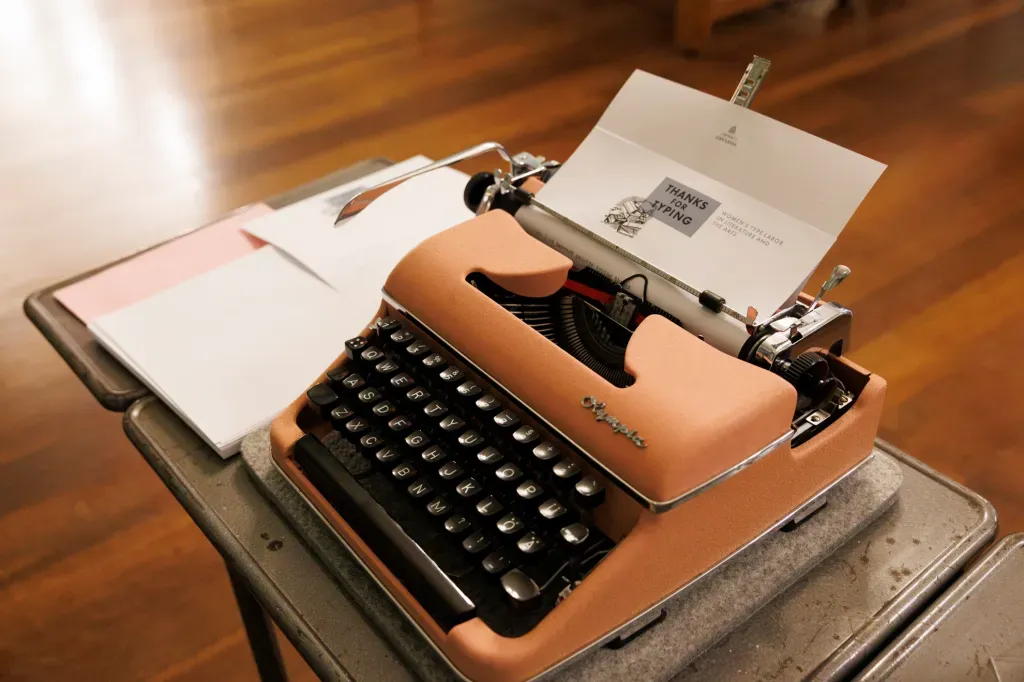
The exhibit includes a vintage Olympia typewriter for visitors to try. Houghton Library is also working with the Harvard Film Archive to show movies about women typists, such as "Meet Joe Doe" and "His Girl Friday."
"Thanks for Typing" is on display through May 1.