Your dog's muddy paws or your cat's outdoor adventures could be transporting invasive flatworms across entire regions—and researchers only just figured out how.
A new study in PeerJ examined twelve years of citizen science observations across France and found something unexpected: flatworms clinging to pet fur. It's a discovery that solves a biological puzzle that had stumped scientists for years.
The Mystery
Terrestrial flatworms are known invaders, but their usual method of spreading—hitching rides on traded plants and garden soil—doesn't fully explain how they've colonized France so rapidly. These worms move slowly on their own, so scientists couldn't account for how they were appearing in gardens that hadn't received new plants. The gap in the explanation nagged at researchers until they looked at the data differently.
We're a new kind of news feed.
Regular news is designed to drain you. We're a non-profit built to restore you. Every story we publish is scored for impact, progress, and hope.
Start Your News DetoxBy mining over a decade of observations from citizen scientists across France, a clearer picture emerged. Multiple reports documented flatworms stuck to the fur of domestic dogs and cats. Pets, it turns out, are mobile vectors—traveling kilometers each year and potentially depositing worms in new locations.
Why One Species Stands Out
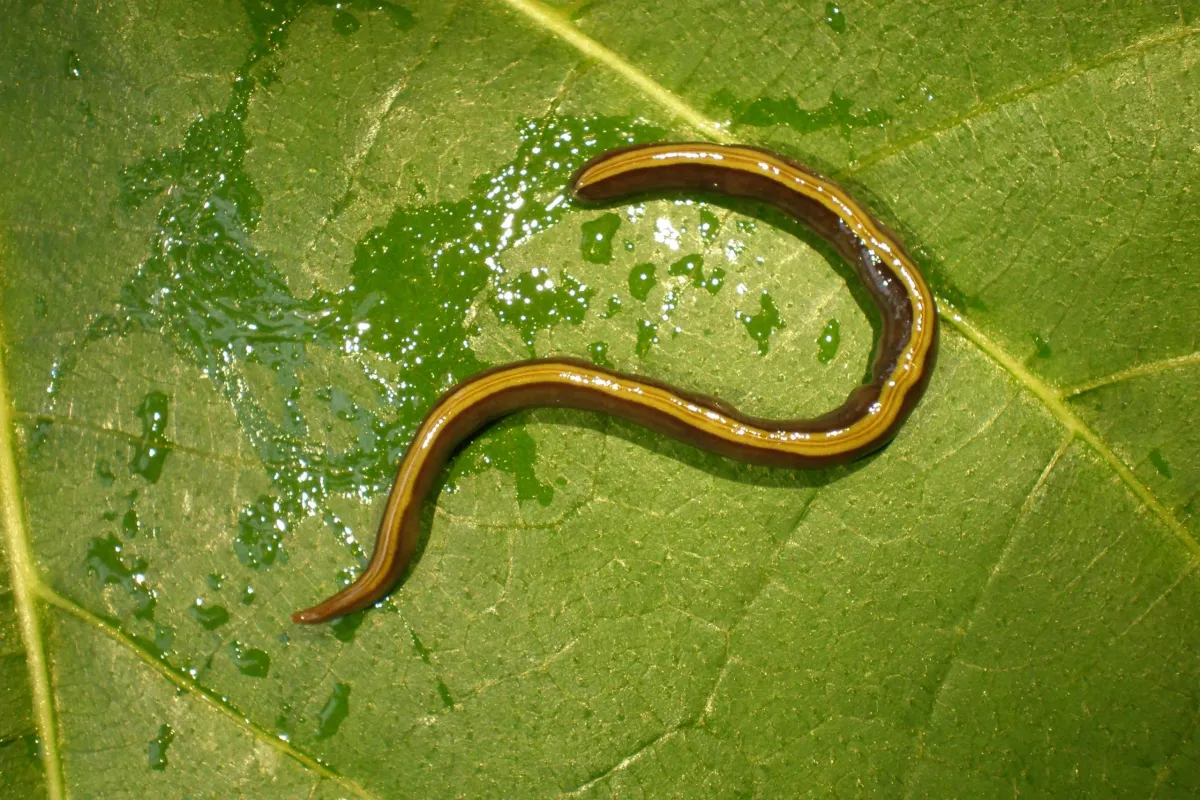
Not all invasive flatworms use this route. Of roughly ten species now established in France, only one showed this pattern: Caenoplana variegata. This species produces an unusually sticky mucus—likely an adaptation from hunting arthropods—that allows it to cling to fur. It also reproduces without a partner, a reproductive advantage that helps it establish itself quickly once it arrives somewhere new.
The combination makes Caenoplana variegata particularly effective at this unexpected mode of transport. A dog rolling in a garden or a cat brushing against vegetation becomes, unintentionally, a living delivery system.
The implications extend beyond France. Pets travel globally, and if this mechanism works in Europe, it could be facilitating the spread of invasive flatworms on other continents. It's a reminder that the pathways for biological invasion are often more creative—and more mundane—than we expect. Your pet's afternoon walk might be doing more than you realized.