
The first time Elizabeth Smart stepped on stage at a bodybuilding competition, she was terrified. Her smile froze and her hands shook. Every move was practiced, from turns to poses under bright lights.
She wore oversized costume jewelry and new blonde hair extensions. As she flipped her hair, a ring snagged an extension, ripping out a chunk of her hair. Smart laughs about it now, but at the time, she wanted to run offstage. Instead, she kept posing in towering heels.
For Smart, bodybuilding is not about trophies. After four competitions and several medals, she has gained unexpected confidence in her body. "I'm at a point in my life where I want to celebrate it," Smart says. "I don't want to carry shame about my body."
We're a new kind of news feed.
Regular news is designed to drain you. We're a non-profit built to restore you. Every story we publish is scored for impact, progress, and hope.
Start Your News DetoxA Traumatic Detour
In 2002, Smart was 14 when she was abducted from her Salt Lake City bedroom. A self-proclaimed prophet kidnapped her at knifepoint while she slept.
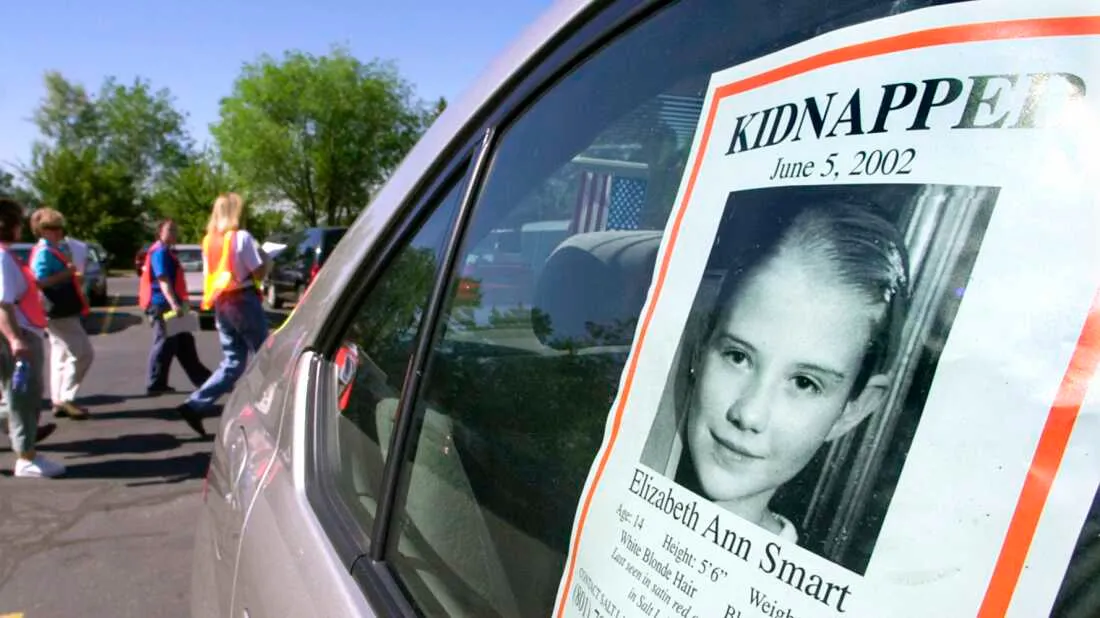
For nine months, the world watched the search for her. Her face was everywhere, but she was living in the woods just miles from home. Now 38, Smart remembers how she survived captivity and repeated sexual assault. She endured frequent humiliation and psychological manipulation.

In her book, Detours, Smart describes trauma as an unplanned path. She says she survived by holding onto small memories that reminded her of life outside captivity. "My body was hurt, and it had felt like it had been crushed," she says. "But it carried me through."
Reconnecting with the Body
Developing a positive relationship with the body after trauma can take years, says Robyn Brickel, a therapist specializing in trauma-related disorders. "When early childhood trauma happens, especially sexual trauma, people disconnect from their bodies because it's unsafe," Brickel says. "That's how they survive."
During abuse, some victims mentally leave their bodies. They focus on small details in the room. "Lots of trauma survivors will tell you, 'I know exactly how many light bulbs there were in the chandelier,' how many cracks were in the ceiling, the pattern on the wallpaper" during the abuse, she says. "Because that's where they are."
The body becomes something to escape, not inhabit. This disconnection often remains after the abuse ends. Survivors often struggle with shame, confusion, and betrayal related to their bodies. "Lots of survivors believe their bodies betrayed them," Brickel says.
Smart understands this feeling. Raised in a conservative Mormon home, she struggled with profound shame after the abuse. She avoided boys and had few close friends. After her rescue in 2003, she felt pressure to be "the most innocent of victims." She had to always do and say the right thing. Unlike many survivors, Smart had to heal in the public eye.

Today, Smart sees herself differently. "I can be an advocate for women and children," Smart says. "But I also can step on stage in a bikini and strut around and strike a pose. And that's OK."
This shift from invisibility to visibility is significant, according to Brickel. "Trauma survivors will [often] make themselves as unattractive as possible to not get attention," she says. "They want to disappear. Be invisible."

No Finish Line
Smart's relationship with exercise has changed over the years. After her rescue, she ran occasionally but didn't stick with it. She became a marathon runner, but knee pain forced her to stop. "I always need a goal and I need a deadline," she says. Bodybuilding offered both. She started strength training about 18 months ago.
She now trains five or six days a week for about 45 minutes. She tracks meals, counts macros, and walks about 10,000 steps daily, often on an incline treadmill.
Research shows weight lifting can help trauma survivors reconnect with their bodies. A study in Frontiers in Psychology linked resistance training to reduced PTSD symptoms and improved emotional well-being. Another 2023 study in the same journal found that many trauma survivors described weight lifting as empowering. It helped them rebuild confidence, regain control, and feel safer in their bodies.
However, physical training and trauma recovery don't always intersect healthily. For some, exercise becomes another way to disconnect, similar to how some use drugs or self-harm to outrun emotional pain. Brickel says the difference lies in intention and emotional awareness. "Can I think and feel at the same time?" she asks. "Am I running from something, or am I adding to my life?"
Smart focuses on presence and appreciation, not perfection or punishment. She finds comfort in a passage from Charlotte Brontë's Jane Eyre, where Mr. Rochester says he could crush a bird's cage but never destroy the bird itself.
Smart says this metaphor stayed with her. Though her body felt broken, "it never let my soul be destroyed. It carried me through my kidnapping. It gave me three beautiful children." She then says something that still surprises her: "My body is incredible."
Brickel says such positive statements represent years of emotional work. Healing is rarely linear. Some survivors talk about trauma immediately, others wait decades, and some never do. "There's no finish line," Smart says. "I hope I never stop progressing."
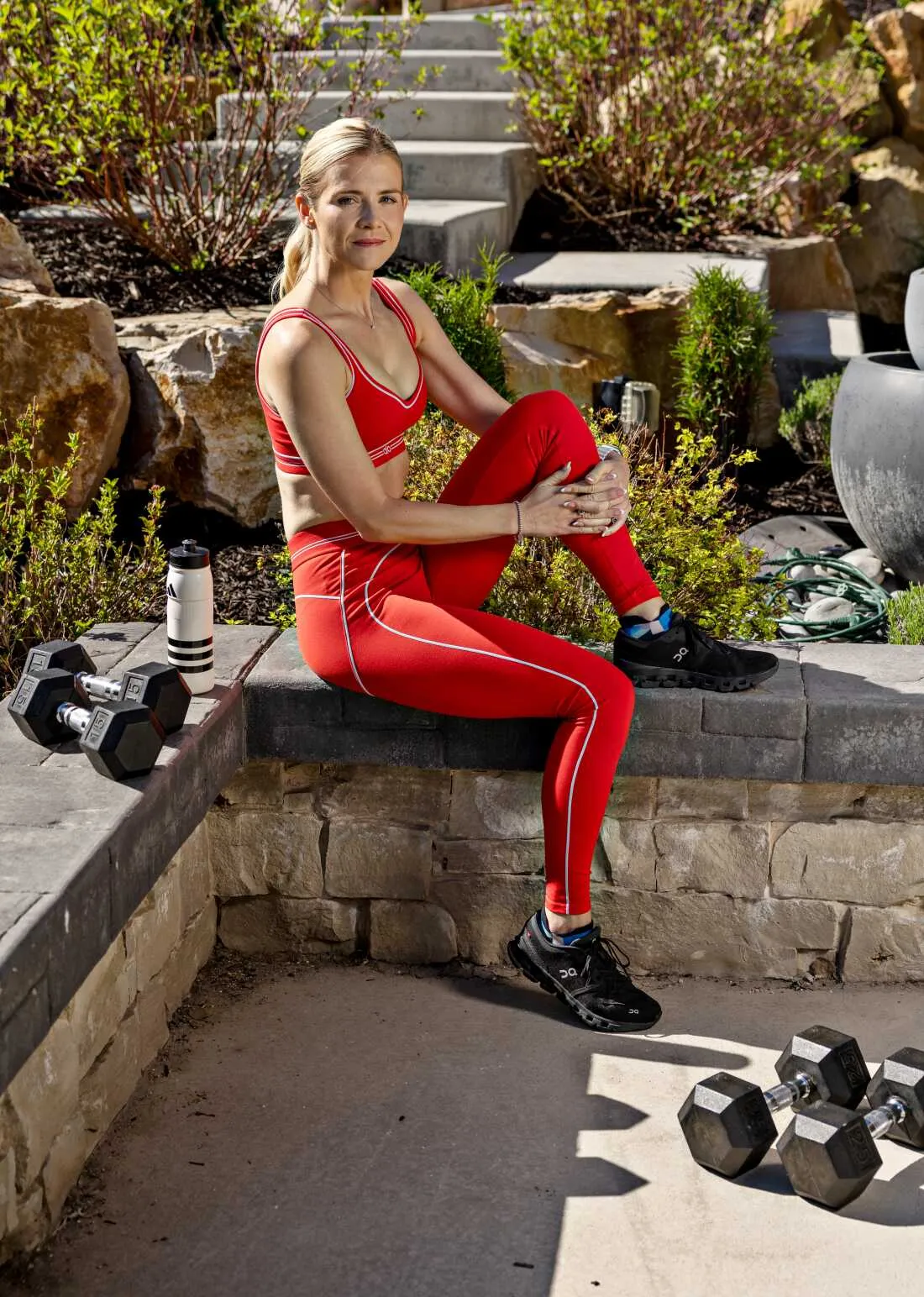
Smart is considering another bodybuilding competition later this year in Nashville. It's an all-female event for women who have survived trauma. Her face lights up when she talks about it. She no longer wants survival to be the only way she sees herself. "We can be lots of things," she says.
When she doesn't feel like walking during training, Smart watches The Great British Bake Off on her treadmill, dreaming of sweets. "I want that," she says, laughing. "I am adding that to my post-show treat list." She adds, "And I want the whole thing. Not just a slice."
Deep Dive & References
- Resistance training and post-traumatic stress disorder symptoms: A systematic review - Frontiers in Psychology, 2025
- “I feel like I’m in control of my body”: A qualitative study on the experiences of trauma survivors engaging in resistance training - Frontiers in Psychology, 2023