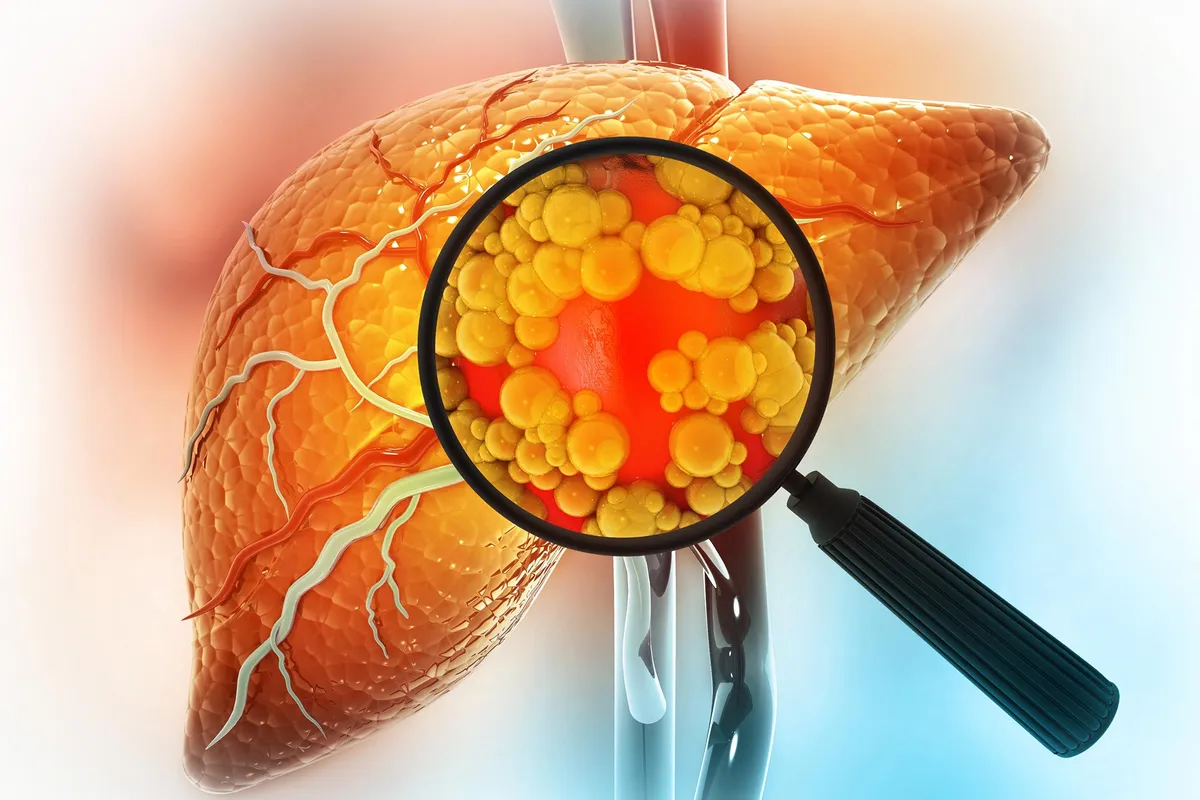
Scientists have created an experimental "Trojan horse" drug for obesity. This new drug uses the same pathways as popular weight-loss medications but adds an extra metabolic boost directly into cells.
This approach led to significant results in mice, including reduced food intake, greater weight loss, and better blood sugar levels. These findings were published in the journal Nature.
Building on Existing Therapies
Current treatments for obesity and type 2 diabetes often use incretin-based drugs. These drugs mimic natural signals in the body that control appetite and blood sugar. While effective, researchers are always looking for ways to make them even better.
We're a new kind of news feed.
Regular news is designed to drain you. We're a non-profit built to restore you. Every story we publish is scored for impact, progress, and hope.
Start Your News DetoxOne idea is to add drugs that improve how the body uses insulin. Insulin helps move sugar from the blood into tissues. However, many such drugs spread throughout the body, which can cause unwanted side effects.
Professor Timo D. Müller, who led the study, explained their goal. They wanted to boost incretin activity without causing more side effects across the whole body.
A Hybrid Molecule for Targeted Delivery
To solve this, the team designed a "hybrid molecule." They combined a known incretin-based compound with another drug called lanifibranor. Lanifibranor is a pan-PPAR agonist, which means it activates certain genetic "switches" that control fat and sugar metabolism.
The incretin part of the hybrid molecule acts like an "address label." It attaches to GLP-1 or GIP receptors on the cell surface, allowing the entire molecule to enter the cell. Once inside, the lanifibranor component activates the PPAR switches. This way, the added metabolic effects are concentrated only in the target cells, not spread everywhere.
Müller described this as a "Trojan horse" strategy. The incretin component opens the cell's door, and the "cargo" (lanifibranor) becomes active only after entering. A key benefit is that the second component can be used at a much lower dose because it's delivered directly. This targeted approach could increase effectiveness while reducing side effects.
Promising Results in Mice
The hybrid drug showed strong results in mice with obesity caused by diet. The mice ate less and lost more weight than those treated with existing GLP-1/GIP drugs. In some comparisons, the new drug was even more effective than a GLP-1-only medication.
The treatment also improved blood sugar control and made insulin work better. This means insulin was more efficient at moving sugar from the blood into tissues, and the liver released less sugar. The researchers also noted that gastrointestinal side effects were similar to current incretin therapies. They did not see signs of fluid retention or anemia, which are sometimes linked to the added drug component.
What's Next for Human Studies
The mouse studies also suggested potential benefits for heart and liver health. However, the scientists stress that these are early findings in animals. It's not yet clear if the same results will happen in humans, partly because GIP receptors work differently in mice and people.
Müller emphasized that the next step is to optimize this approach for human use and move it toward clinical trials. This will require support from industry partners.