Imagine a drug that’s been chilling in your medicine cabinet for decades, doing its job for asthma, suddenly deciding it wants to take on one of the world’s nastiest liver diseases. Well, that might just be the case for formoterol, a common asthma and COPD medication now showing serious potential against MASH.
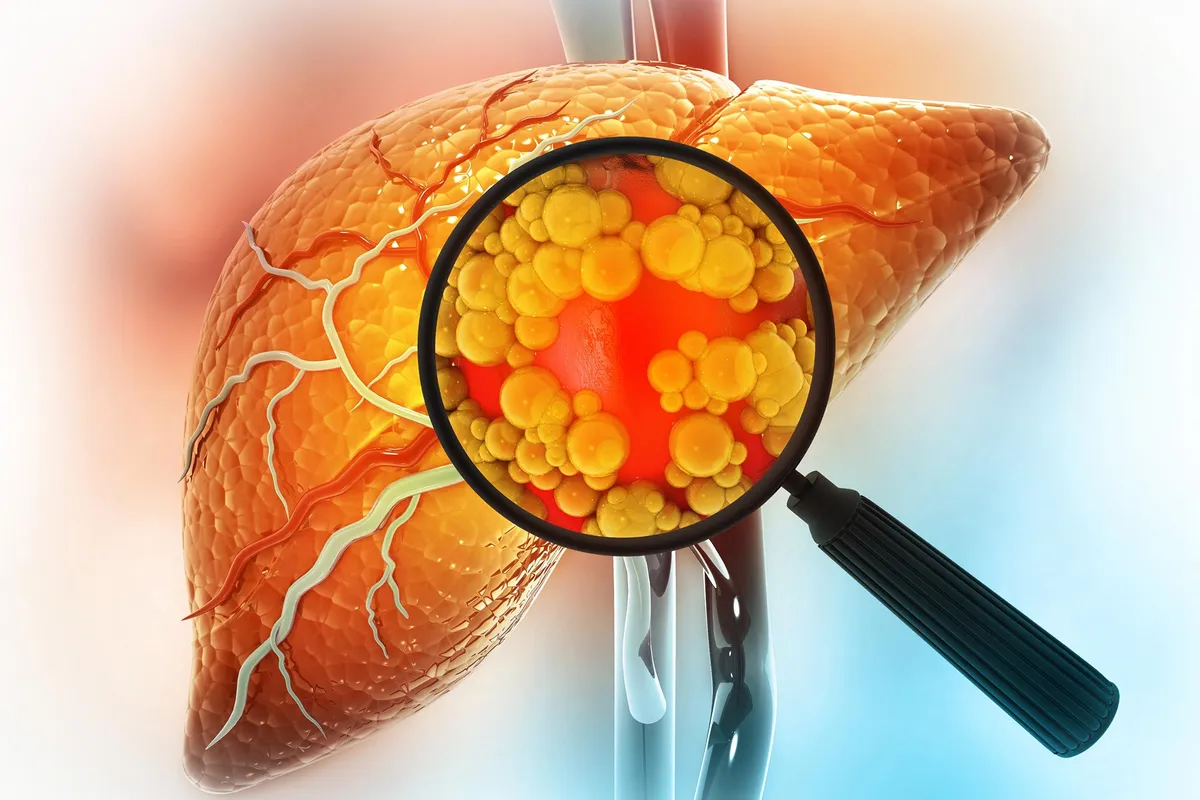
MASH, or metabolic dysfunction-associated steatohepatitis if you’re feeling fancy, is the kind of liver disease that sends millions globally looking for a new liver. It’s essentially a fatty liver that decided to go rogue, causing ongoing damage that can lead to scarring, liver failure, and, yes, transplants. Not exactly a party.
Researchers at the Medical University of South Carolina (MUSC) were initially testing formoterol in mice with diabetic kidney injury. They wanted to see if it could dial down the diabetes-induced damage. And then, a delightful surprise: the mice treated with formoterol also had less fat buildup in their livers. Apparently, formoterol is a multi-tasker.
We're a new kind of news feed.
Regular news is designed to drain you. We're a non-profit built to restore you. Every story we publish is scored for impact, progress, and hope.
Start Your News Detox"Kind of unexpectedly, we found that the liver damage also reversed," noted Dr. Joshua Lipschutz, the division director of nephrology at MUSC. Which, if you think about it, is both impressive and slightly terrifying that a drug can just… do that.
The Powerhouse Effect
This unexpected side quest led the team to intentionally feed mice a high-fat diet to mimic MASH. When these mice got their dose of formoterol, their fatty liver disease didn’t just slow down; it reversed. "This actually reversed the pathology on multiple different levels," Lipschutz confirmed.
So, how does a lung drug become a liver savior? It seems formoterol revs up the mitochondria – the little power plants inside cells – making them more efficient at creating and using energy. Basically, it gives the liver cells a much-needed jolt.
Adding to the intrigue, a review of patient data showed that people already taking beta-2 agonists (the class of drugs formoterol belongs to) for breathing issues had lower rates of severe liver problems. A convenient coincidence, or a clue?
A Dream Repurposed
Before this study, treatments for MASH were pretty much non-existent, or offered only moderate benefits with a side of side effects. But because formoterol has been around the block, its safety profile is well-known. If its liver-saving powers are confirmed in humans, it could fast-track its approval as a new treatment.
"If you can repurpose something that’s approved and already being used safely, that’s kind of our dream as physician-scientists," Lipschutz said. Let that satisfying number sink in.
Now, for the reality check: most of these findings are from mice, and as Lipschutz wisely points out, "Not everything that works in mice works in humans." They’ll need to figure out the right dose, whether inhaled formoterol can even reach the liver in people, and how long any benefits last. He’s already running a clinical trial for diabetic kidney disease, which, conveniently, often comes with MASH. So, a "two-for-one study," as he puts it. Because apparently that’s where we are now.
It’s a promising peek into a future where your asthma puffer might just be doing double duty, quietly fighting off serious liver disease while you breathe easy. Just don't start self-medicating your liver quite yet.