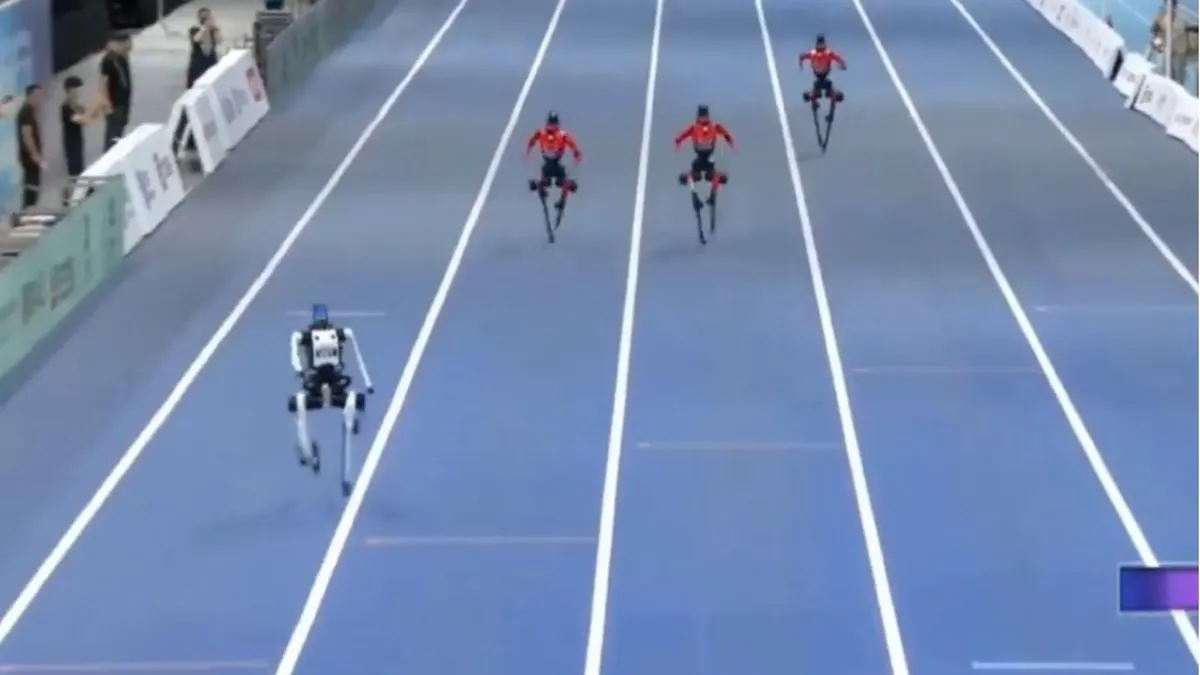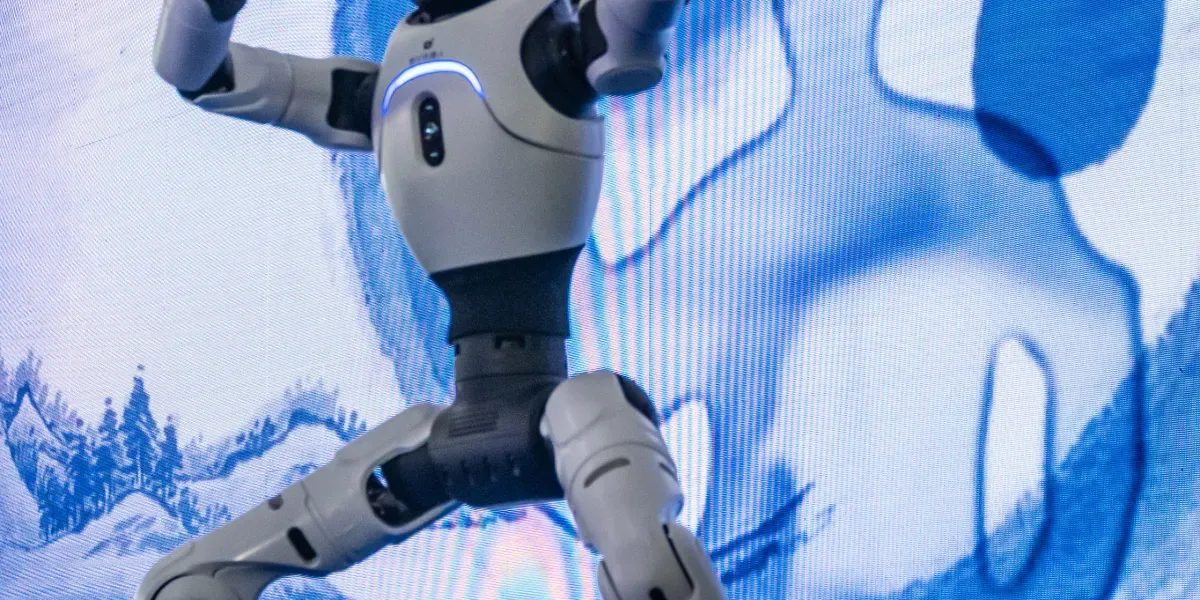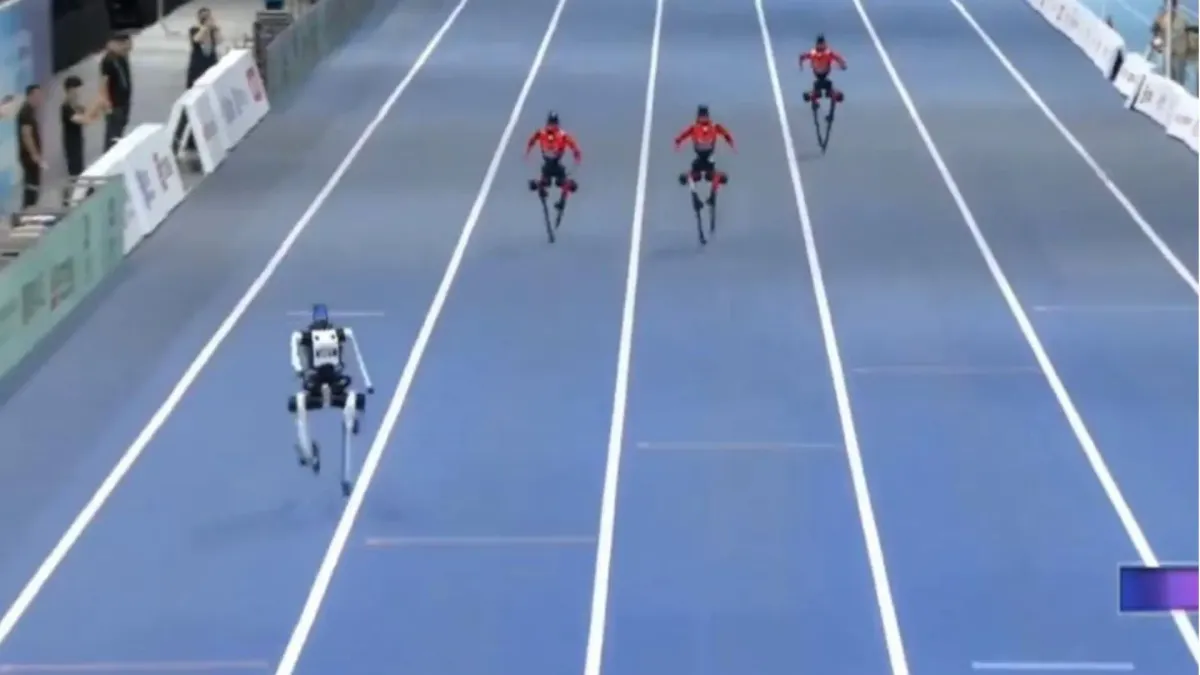
A Chinese humanoid robot just decided that human sprint records were, frankly, adorable. At the 2nd World Humanoid Robot Games, the Tiangong Ultra — built by X-Humanoid in Beijing — blazed through 100 meters in a blistering 8.64 seconds. That's nearly a full second faster than Usain Bolt's human world record of 9.58 seconds. Because apparently that’s where we are now.
What’s even better (or more humbling, depending on your perspective) is that Tiangong Ultra broke its own record during the games. It first clocked an 8.86-second run, then shaved off another 0.22 seconds in the final. So, yes, it broke the event record twice before the final race. Because why not show off?
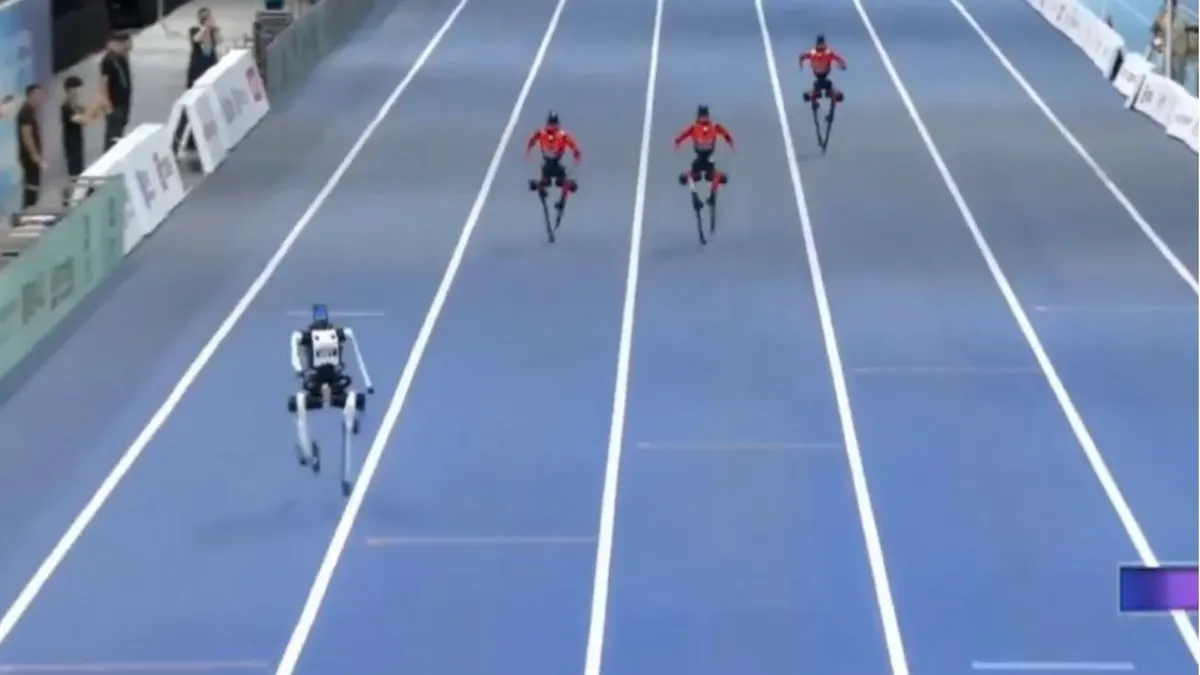
This year's winning time is a massive leap from the inaugural games, where the fastest 100-meter sprint was over 12 seconds. Let that satisfying number sink in: robots got four seconds faster in a single year. Your local gym membership probably hasn't yielded such dramatic results.
We're a new kind of news feed.
Regular news is designed to drain you. We're a non-profit built to restore you. Every story we publish is scored for impact, progress, and hope.
Start Your News DetoxThe Absurdity of Robot Athletics
Sprinting for a robot isn't just about moving fast; it's a high-stakes ballet of balance, joint control, power, and split-second reactions to wobbles. Imagine trying to run full-tilt while constantly recalculating your center of gravity. That's a Tuesday for Tiangong Ultra.
Its main rival in the final was Lightning, a robot from Chinese smartphone maker Honor. Lightning, not to be outdone, reportedly ran a half-marathon in a jaw-dropping 50 minutes and 26 seconds back in April, also faster than the human world record. Because if you’re going to beat us, why not do it over all the distances?
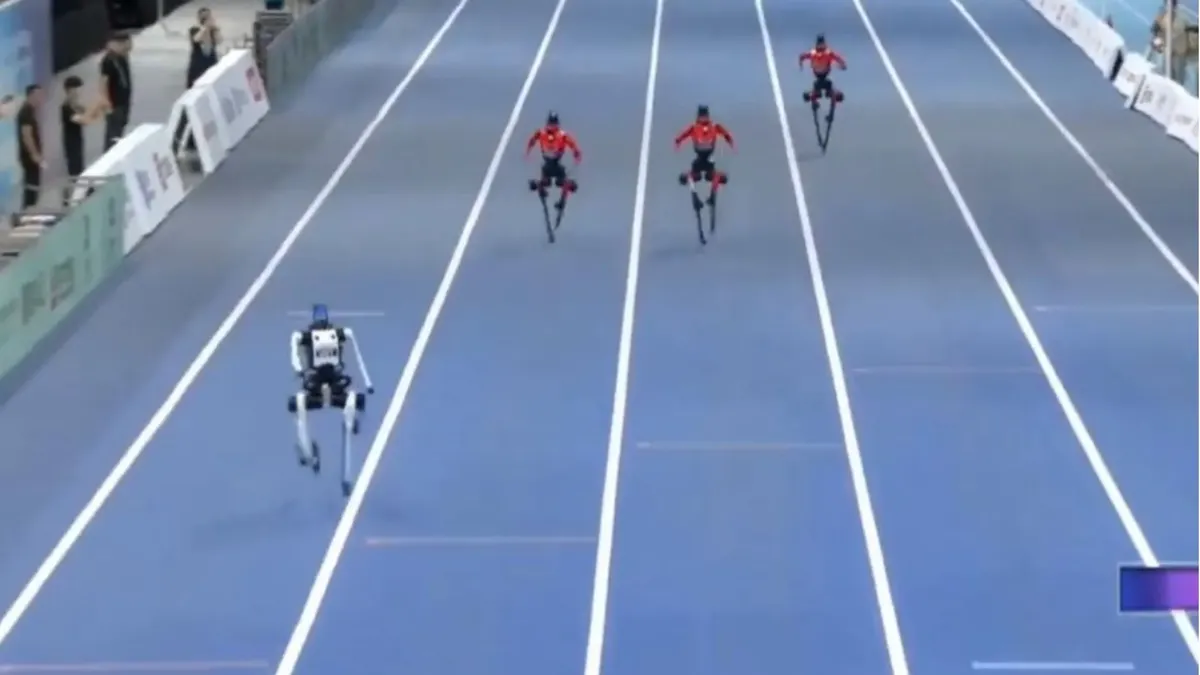
Now, before you start prepping for the Robot Olympics, it's worth noting these comparisons come with a giant asterisk. Humanoid robots don't have to worry about things like, say, oxygen, lactic acid, or pesky anti-doping rules. Their results don't replace official human records. Yet.
Instead, these games are a high-pressure test kitchen for robot developers. Sprinting, jumping, and general athletic mayhem expose every flaw in a robot's balance, vision, joint control, and the software that pulls all those pieces together. Experts view it as a crucial proving ground for how these mechanical marvels might someday navigate our messy, unpredictable world.
And if that’s not enough to make you eye your Roomba with newfound respect, consider this: Tiangong Ultra's 8.64-second dash was 0.68 seconds faster than Lightning's previous best test run. The robot arms race for speed and balance is officially on, and it's moving faster than, well, a robot.