Making electronics smaller is a big focus in technology today. Many fields, like medicine and aerospace, benefit from tiny devices. But as devices shrink, it becomes hard to fit batteries, motors, and other parts.
Researchers at EPFL’s MicroBioRobotic Systems (MICROBS) Lab are working on this problem. They found an interesting solution: sound.
How Sound Creates Movement
The team uses a specific type of sound called Helmholtz resonance. This is the same effect you get when you blow across the top of a bottle. The air inside the bottle vibrates strongly at a certain sound frequency, creating a humming noise. Scientists call the bottle an "acoustic cavity." This cavity can be any hollow shape, like a round or bell-shaped structure, made from materials like 3D-printed plastic, glass, or rubber.
We're a new kind of news feed.
Regular news is designed to drain you. We're a non-profit built to restore you. Every story we publish is scored for impact, progress, and hope.
Start Your News DetoxWhen sound waves make the air inside a cavity vibrate, the cavity pushes out a concentrated stream of air. The air coming back in is more spread out. This difference creates a pushing force, or thrust, which can move an object.
Scientists have used sound to move objects before, like levitating them with sound waves. But this new research is different. Previous methods used external sound waves to push passive objects. Here, the scientists found a way to turn ambient sound energy into mechanical thrust, making the object move itself.
Selman Sakar, the lab head, explained that they created "acoustic resonators." These are tuned to specific sound frequencies to generate directional thrust and controlled motion.
Testing the Micro-Robots
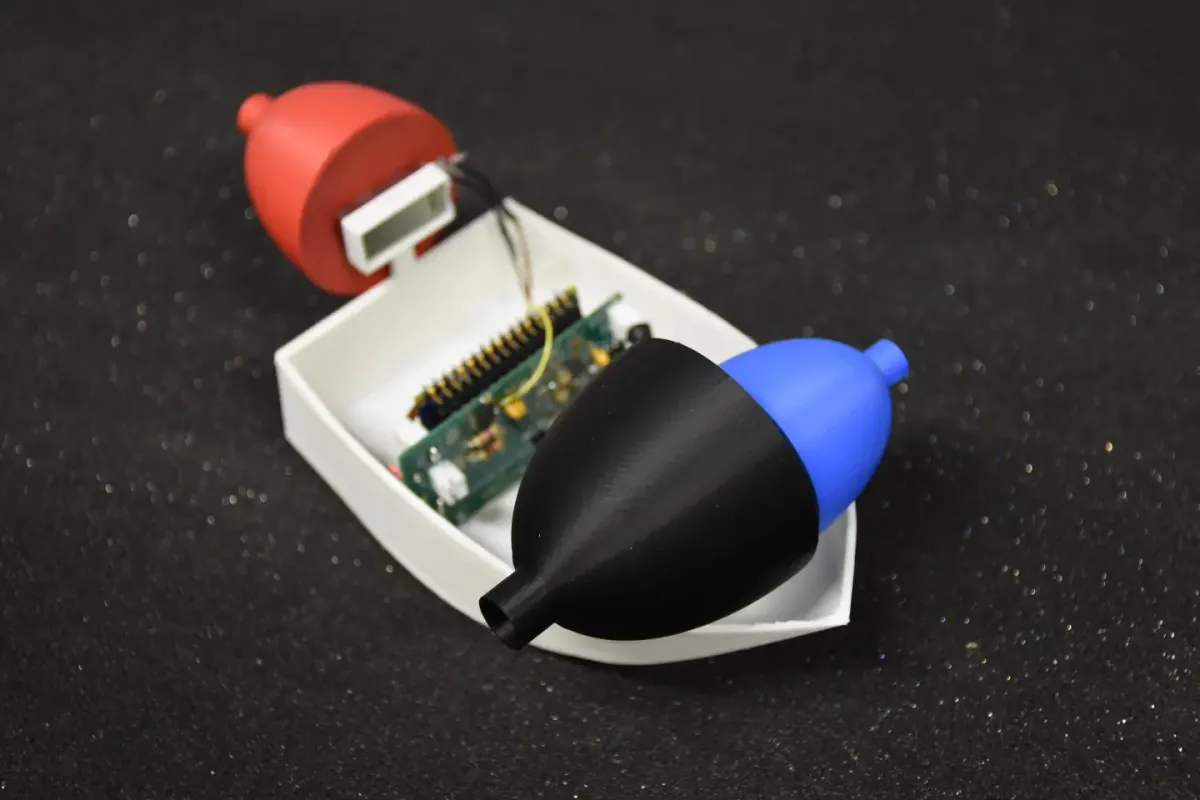
To test their idea, the team built tiny boats. Each boat had three cavities tuned to different frequencies. By changing the sound frequency, they could activate different cavities and steer the boat.
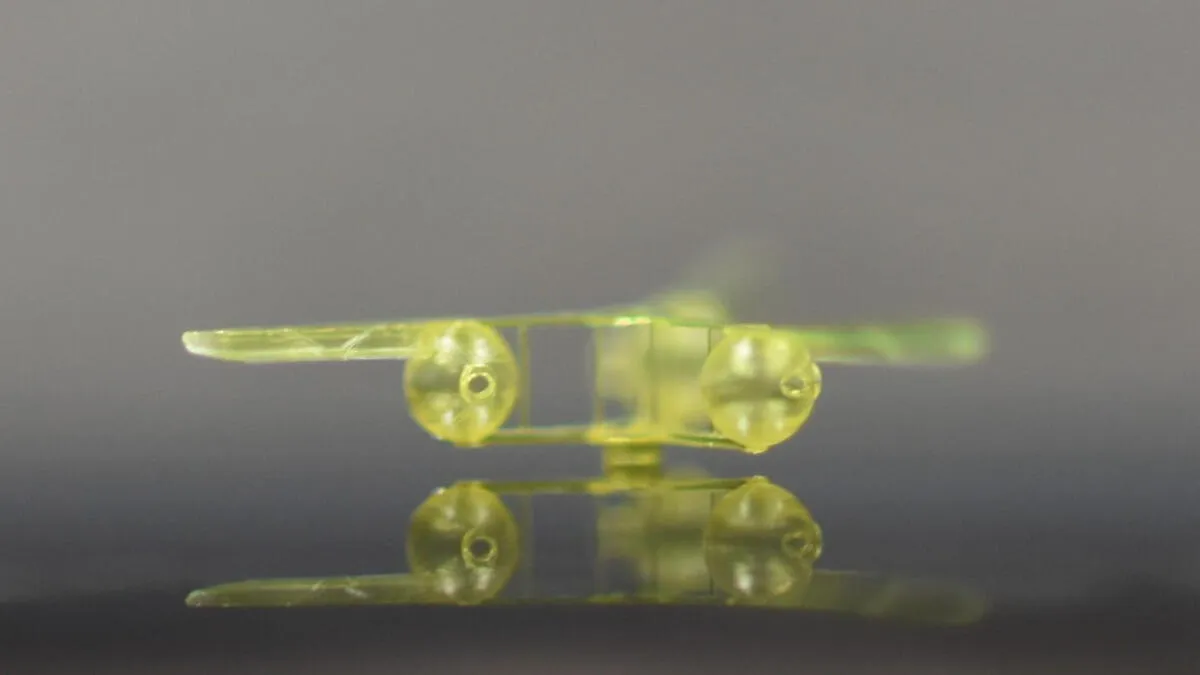
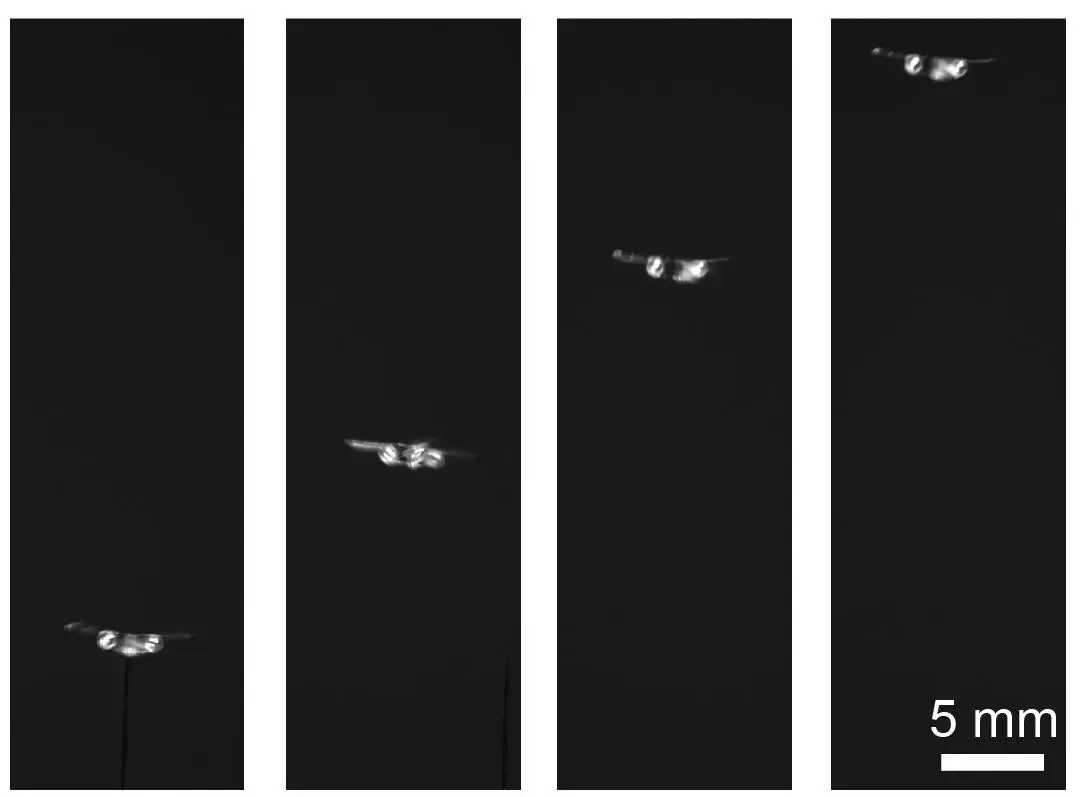
The researchers also made "microfliers." These are very light, tiny flying drones, weighing only about 150 micrograms. Each microflier had three microscopic cavities. They were powered by ultrasonic frequencies, which humans cannot hear, and could move forward.
Another design combined the cavities with small propeller blades. The cavities generated enough force to spin the blades at 13,000 revolutions per minute. This is very fast, especially compared to regular drone propellers that spin at several thousand revolutions per minute.
This innovation could lead to devices and robots that work without traditional batteries and motors. It could also allow for flexible devices with many sound-responsive parts. Different parts could be activated by different frequencies and move on their own.
Deep Dive & References: EPFL