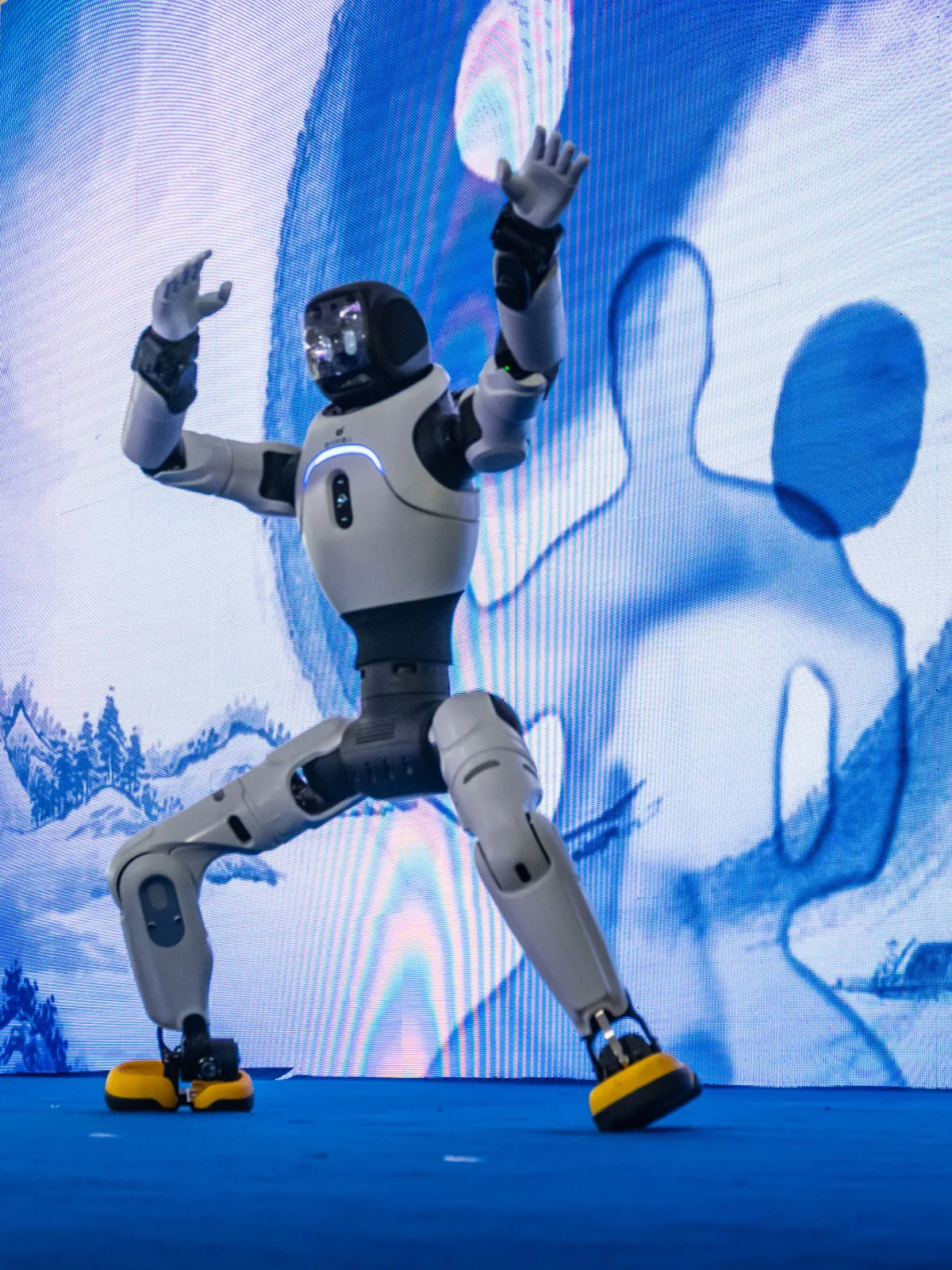
Imagine a place where the future of labor isn't just discussed in hushed tones, but is doing front flips and performing drunken boxing routines. Welcome to Shanghai's recent robot "carnival," a place where China's ambitious plan for AI and everyday life is literally on display, complete with cheering crowds.
This isn't just about factory bots anymore. China is all-in on "embodied AI," which is essentially robots that look and move like us. It's a big deal in their latest five-year plan, and their companies are already leading the charge. Last year, nearly 90% of the 13,000+ bipedal, two-armed robots delivered globally came from China. Let that satisfyingly specific number sink in.
The carnival, held in a robotics hub housing over 100 companies, was less about heavy lifting and more about public relations. Kids flocked to see the latest mechanical marvels. One 11-year-old was reportedly ecstatic watching his new mini robotic dog attempt stunts – a purchase made right there at the event. Because apparently, that's where we are now: impulse-buying robot pets at a fair.
We're a new kind of news feed.
Regular news is designed to drain you. We're a non-profit built to restore you. Every story we publish is scored for impact, progress, and hope.
Start Your News DetoxInside the main tent, the entertainment was next-level. A humanoid robot performed a surprisingly convincing drunken boxing routine. Another pulled off a front flip, to the delight of the crowd. Small robotic lions waited in the wings, ready for their turn. The audience, clearly impressed, chanted, "More, more, more."
Not Your Grandpa's Robot
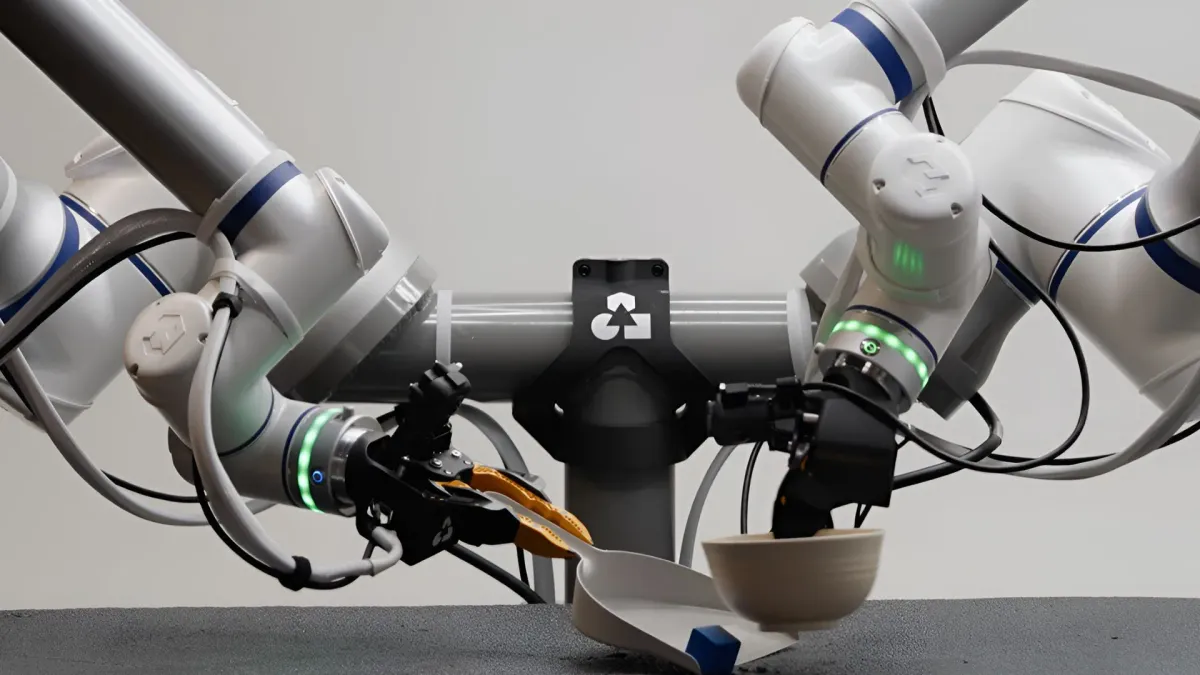
While critics elsewhere fret about humanoids' weight, balance, battery life, and cost – not to mention whether a human form is even the best form for a robot – Chinese firms are barreling ahead. They're showcasing models that can make your coffee (courtesy of DexForce) and even attempt the Sisyphean task of folding T-shirts. The idea, according to DexForce product manager Yang Duan, is to "free people from physical work and mundane chores." Which, if you think about it, is both impressive and slightly terrifying.
These public spectacles aren't just for show. They're a crucial part of getting people comfortable with robots. Beyond Shanghai, humanoids are popping up in malls and tourist spots across China. In Beijing, two-legged robots have even competed in half-marathons. It seems the strategy is working. After all, who wouldn't want to see a robot nail a backflip after watching their own phone struggle with basic face recognition?