Apparently, someone in Texas looked at the notorious I-35 corridor between Austin and San Antonio and said, "You know what this needs? Less bumper-to-bumper despair." And thus, a new study suggests a rather zippy passenger rail line could connect the two cities, potentially whisking people between them in about an hour.
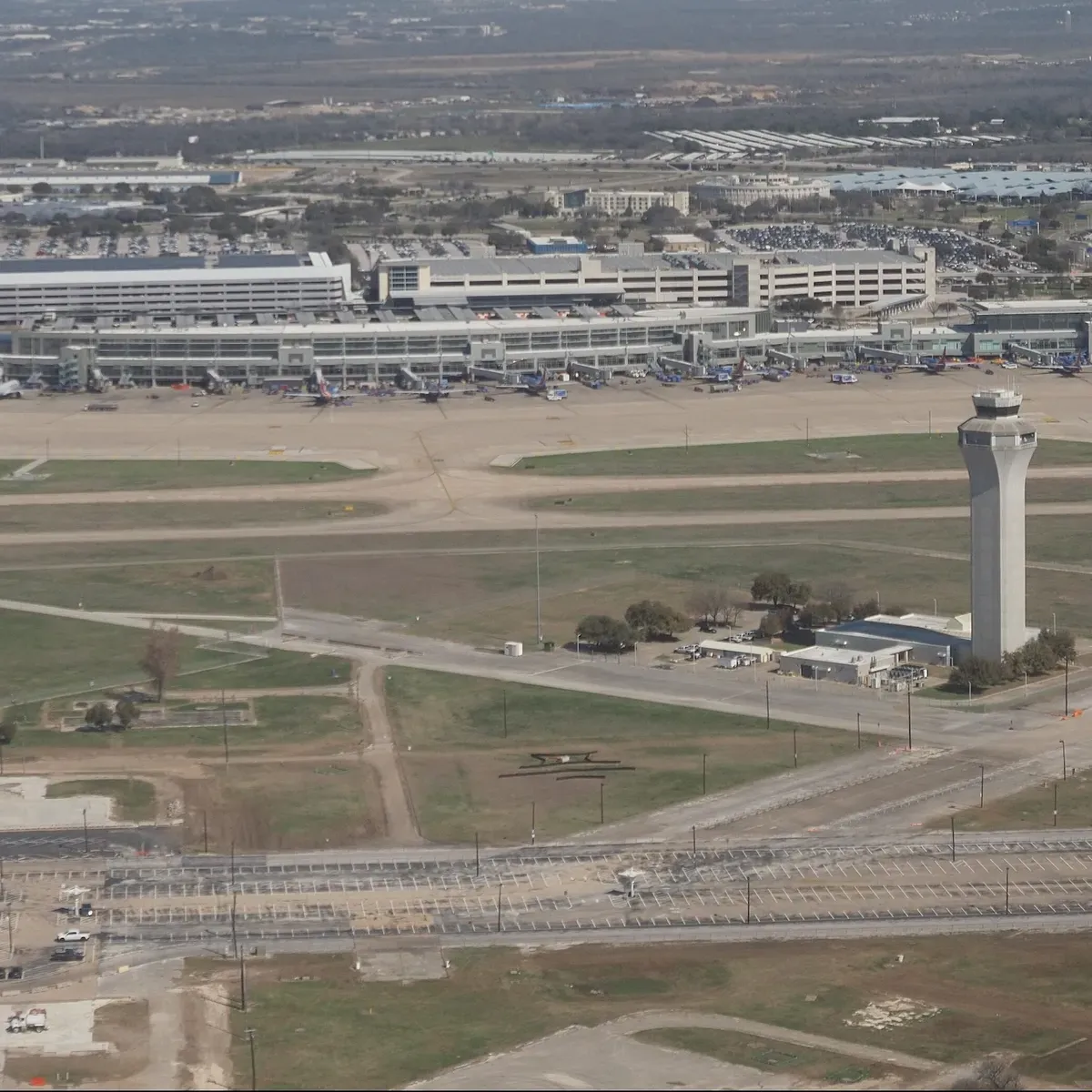
The price tag? A cool $13.5 billion. Because nothing worth doing is ever cheap, especially when it involves laying down tracks for trains that go 125 mph. The architecture and construction firm HNTB, which prepared the study for Travis County, has mapped out a route largely hugging I-10 and State Highway 130. Proposed stops include the Austin-Bergstrom International Airport (because who doesn't love arriving at their destination already at a train station?) and downtown San Antonio's Alamodome.
Trading Traffic for Tracks
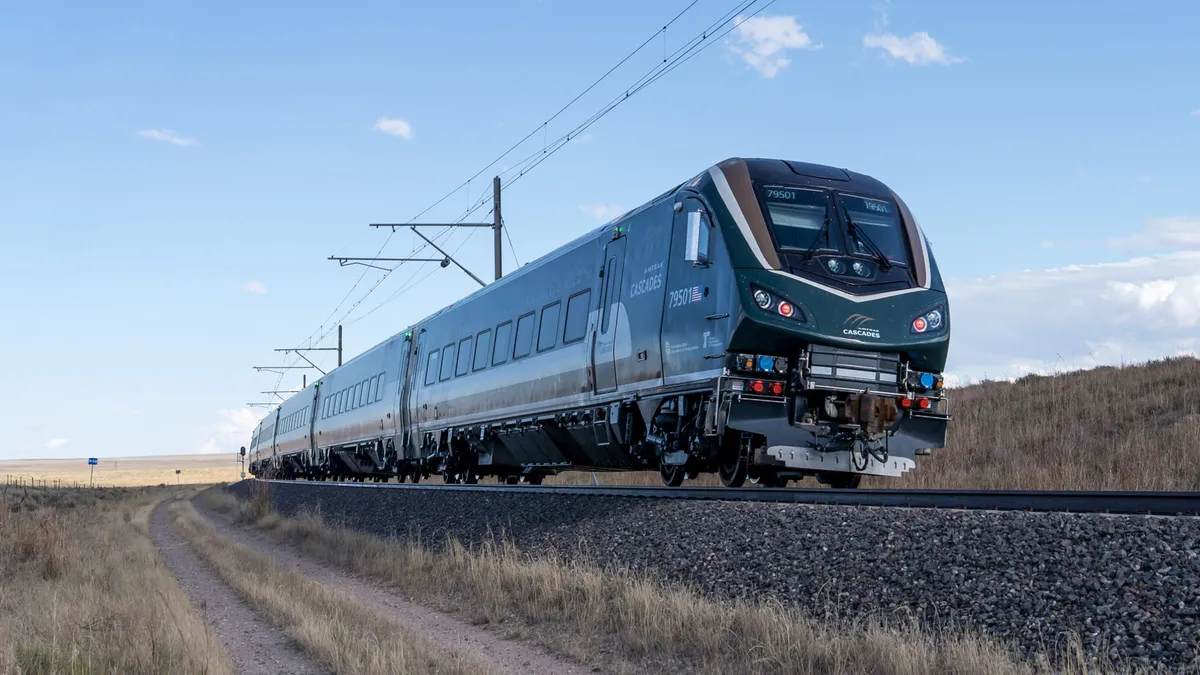
Currently, if you want to take a train between these two bustling Texas hubs, your only option is Amtrak. Which, bless its heart, shares tracks with freight trains and takes a leisurely 2.5-plus hours. Amtrak's own 2024 report admits this service is on time a mere 56% of the time. So, a dedicated line running at 125 mph, completing the journey in 55 to 65 minutes, sounds less like a luxury and more like a public service announcement.
We're a new kind of news feed.
Regular news is designed to drain you. We're a non-profit built to restore you. Every story we publish is scored for impact, progress, and hope.
Start Your News DetoxThat $13.5 billion figure includes $360 million for six shiny new train sets, plus another $300 million to build the necessary maintenance facilities. Annual operating costs are estimated to be between $140 million and $190 million (in 2026 dollars, because inflation waits for no one, not even high-speed rail).
To get this iron horse out of the station, several steps are needed. Think: agreements with the Texas Department of Transportation, detailed market analysis to figure out how many people would actually ride it, and, of course, environmental reviews. Then there's the small matter of funding, which could involve a delightful mix of federal grants, local contributions, and public-private partnerships. Because apparently that's where we are now: dreaming of a future where you can get from Austin to San Antonio without needing a podcast series to get through the drive.