Remember when lithium was just for your phone battery? Good times. Now, it's the secret sauce for everything from electric cars to the ever-hungry AI data centers that power, well, everything else. The demand for this silvery-white element has officially gone supernova, and traditional extraction methods are struggling to keep up.
Enter Princeton Critical Minerals (PCM), a startup that just snagged a cool $16 million to scale up its new tech. Their mission? To pull lithium from brine — that's super salty water, for the uninitiated — faster and cheaper than ever before. Because apparently, the future needs a lot of little batteries, and it needs them now.
The Lilypad Method: Less Pond, More Punch
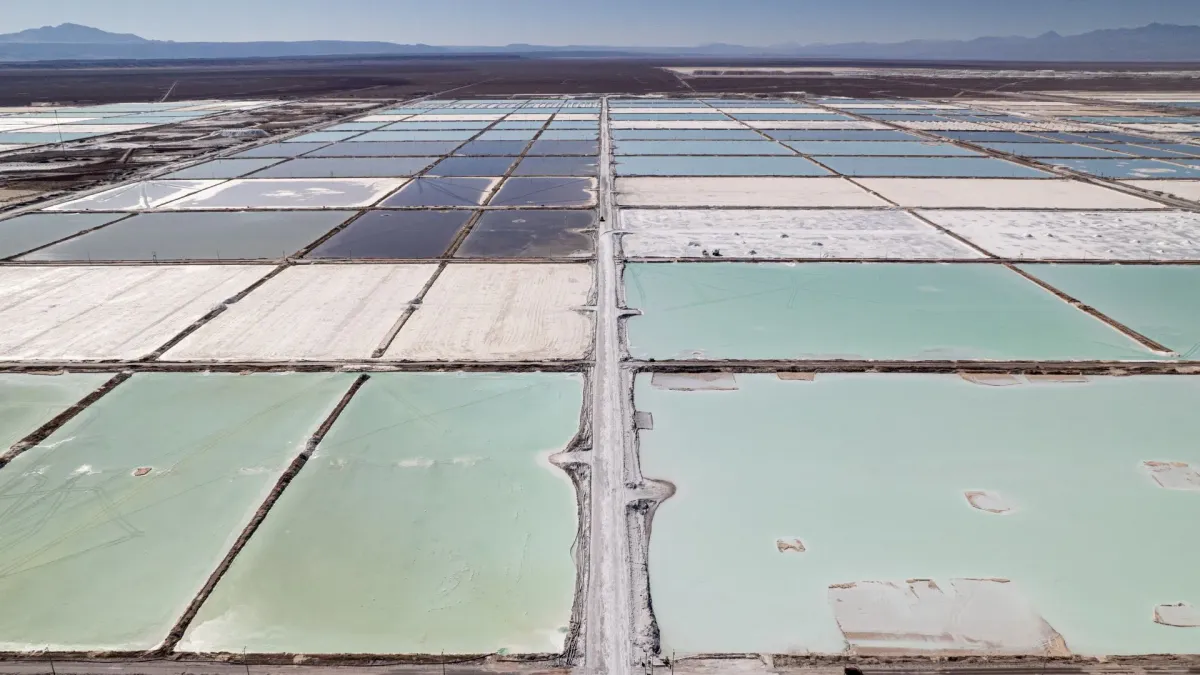
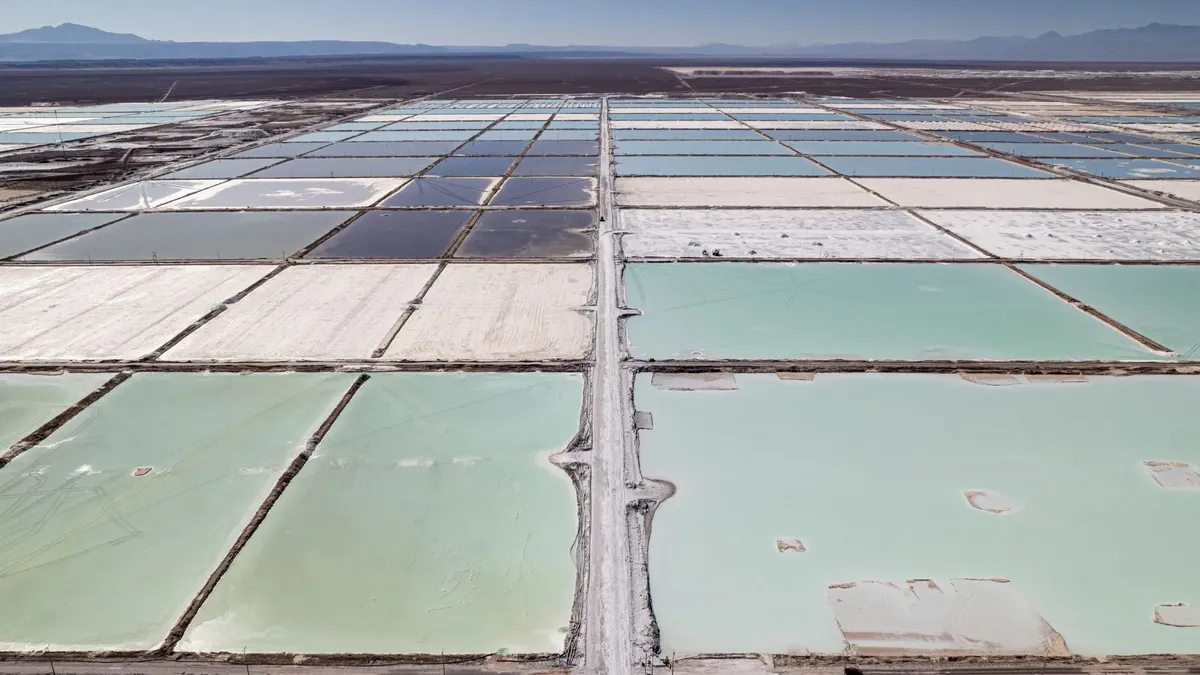
PCM's secret weapon is called Lilypad, and it's already making waves (pun intended) in Chile, home to some of the world's largest lithium brine reserves. Instead of reinventing the wheel, Lilypad works with existing evaporation ponds, those massive, sun-baked pools where salty water sits, waiting for the good stuff to crystallize.
We're a new kind of news feed.
Regular news is designed to drain you. We're a non-profit built to restore you. Every story we publish is scored for impact, progress, and hope.
Start Your News DetoxBut here's the twist: Lilypad isn't just about waiting. It's about smarter waiting. The tech combines souped-up evaporation techniques with AI-powered monitoring (because even ponds need a digital brain now) and specialized crystallization. The result? More lithium, less energy, fewer chemicals, and a process that's just generally less of a headache. It's like upgrading from a flip phone to a smartphone for an entire industry.
Traditional brine operations are notorious for being land-hungry, slow-moving behemoths that require more permits than a small city. And the newer direct lithium extraction methods? They're often energy hogs with a price tag that makes accountants weep. PCM is trying to bridge that gap, making both old and new methods play nice, all while making the entire process cheaper and more efficient. They're not just improving a step; they're trying to improve the whole marathon.
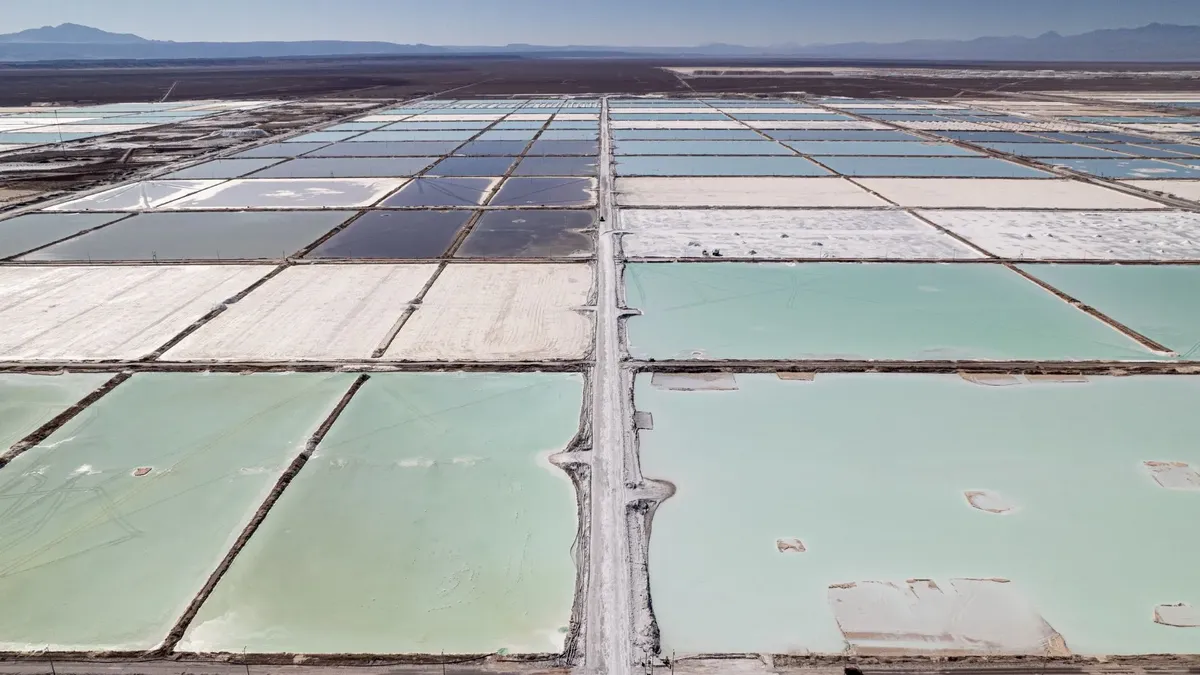
With Lilypad already deployed in Chile and two more projects on the horizon there, PCM is also eyeing the U.S. for expansion. Because when the world's largest lithium producers come knocking, you know you're onto something. The $16 million — including an $11 million Series A round led by SOSV and an additional $5 million in grants — will help them meet that surging demand. Which, if you think about it, is both impressive and slightly terrifying. Get ready for more lithium, everyone.